


Key Takeaways for Homeowners
- Cleaning water stains without addressing hidden moisture guarantees mold recurrence within days
- Columbus’s variable climate, freeze-thaw cycles, and clay soil create unique foundation moisture risks
- IICRC S500 mandates moisture content below 16 percent before any cosmetic repair
- DIY is appropriate only for Category 1 water affecting less than 10 square feet with no hidden dampness
- PuroClean Home Savers provides 24/7 emergency water damage and mold prevention services in Columbus at (614) 689-0012
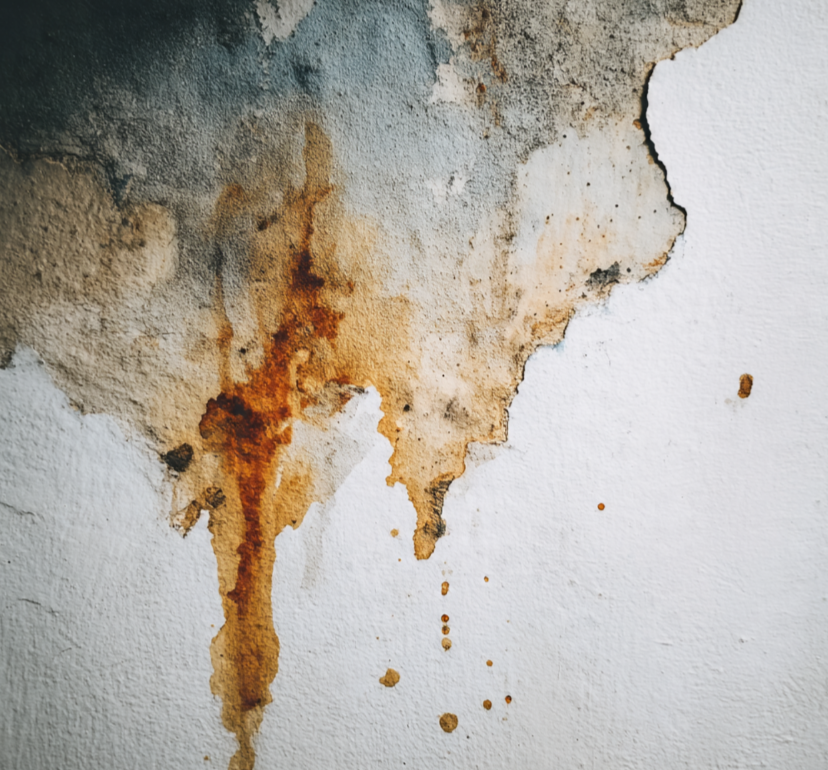
Why Columbus Homeowners Cannot Afford to Ignore Water Stains
That discolored patch on your ceiling or wall is a symptom. The disease is moisture intrusion, and the prognosis without treatment is mold colonization, structural compromise, and potential health consequences for your family. In Columbus, Ohio, our specific combination of humid summers, freeze-thaw winters, and expansive clay soils makes water stain management a year-round priority, not a seasonal chore.
The core entity governing this guide is residential water damage restoration and mold prevention, anchored to IICRC S500 (Professional Water Damage Restoration) and IICRC S520 (Professional Mold Remediation). These standards define how professionals assess moisture, categorize water loss, dry structures, and prevent secondary damage. When you understand these standards, you can distinguish between a quick DIY fix and a situation requiring immediate professional intervention.
Understanding Columbus’s Unique Moisture Environment
Climate and Seasonal Challenges
Columbus experiences a humid continental climate with four distinct seasons. Summer brings average relative humidity of 65 to 75 percent, creating conditions where condensation forms on cool basement walls and ductwork. Winter delivers freeze-thaw cycles that stress roofing materials, flashing, and foundation waterproofing. When snow melts in February or March, saturated ground directs hydrostatic pressure against basement walls.
The Scioto River and its tributaries, including the Olentangy and Big Walnut Creek, influence local groundwater tables. Neighborhoods like German Village, Victorian Village, and the Hilltop sit on varying soil compositions, from the dense clay of Franklin County’s glacial till to the more permeable loam found in suburban Dublin and Powell. Clay soils expand when wet and shrink when dry, creating foundation cracks that become water intrusion pathways during spring rains.
Housing Stock and Building Practices
Columbus features diverse housing architecture, from 19th-century brick homes in the Short North to mid-century ranch houses in Clintonville and modern construction in New Albany. Older homes often lack modern vapor barriers, sump pump systems, and perimeter drainage. Post-war construction may include gypsum lath and plaster rather than modern drywall, which responds differently to moisture.
Local building codes have strengthened over decades, but many Columbus homes predate requirements for foundation dampproofing, crawl space ventilation, and attic air sealing. This geospatial context matters because restoration strategies must adapt to the specific construction methods and failure modes common in central Ohio.
The Science of Water Stains and Mold Risk on Drywall
Drywall consists of a gypsum core sandwiched between paper facing. When water breaches this assembly, several processes begin simultaneously:
- Wicking: Capillary action draws water upward and outward from the intrusion point
- Delamination: The paper facing separates from the gypsum core as adhesives fail
- Microbial Activation: At 16 percent moisture content, mold spores on the paper facing germinate and colonize
- Mycotoxin Production: Under stress, certain species produce secondary metabolites that can become airborne
Psychrometrics tells us that drying requires three elements: heat, air movement, and low humidity. In a closed Columbus basement with no ventilation, none of these elements exist naturally. This is why surface cleaning fails. You are treating the symptom while the disease progresses in darkness.
Step-by-Step Guide to Cleaning Water Stains and Preventing Mold
These steps apply only to minor, Category 1 water events affecting small, accessible areas with confirmed dry substrates. For all other situations, call PuroClean Home Savers at (614) 689-0012.
Step 1: Source Identification and Moisture Mapping
- Locate the water source: roof leak, plumbing failure, condensation, or foundation seepage
- Use a pinless moisture meter to test the drywall and extend 24 inches beyond the visible stain
- Check adjacent rooms and floors for migration; water travels horizontally along wall plates
- In Columbus homes with balloon framing, inspect the full vertical cavity for hidden moisture
Step 2: Controlled Demolition if Necessary
- If moisture content exceeds 20 percent or the drywall has been wet for more than 48 hours, remove the affected section
- Cut 12 to 24 inches beyond visible damage to ensure all compromised material is eliminated
- Inspect insulation behind the drywall; wet fiberglass or cellulose must be removed
- Wear an N95 respirator and gloves; disturbed mold spores become airborne immediately
Step 3: Structural Drying Using Air Movement and Dehumidification
- Position axial air movers to create airflow across wet surfaces
- Deploy a low-grain refrigerant or desiccant dehumidifier sized to the cubic footage of the space
- Maintain temperature between 70 and 80 degrees Fahrenheit to accelerate evaporation
- Use a psychrometric chart to monitor grain depression and ensure effective drying
- Continue until moisture content returns to 12 percent or below, verified with daily meter readings
Step 4: Antimicrobial Treatment and HEPA Cleaning
- Apply an EPA-registered antimicrobial biocide to all affected structural members
- HEPA vacuum all surfaces within the containment area, including studs, subflooring, and remaining drywall edges
- Clean non-porous surfaces with a detergent solution followed by antimicrobial application
- Do not skip this step. Residual spores will recolonize if the substrate is not properly treated.
Step 5: Repair, Seal, and Long-Term Monitoring
- Install new drywall only after confirming all structural members are dry
- Apply a stain-blocking primer specifically formulated for water damage
- Repaint with a mold-resistant paint containing antimicrobial additives
- Install a hygrometer and maintain indoor relative humidity between 30 and 50 percent
- In Columbus basements, consider a permanent dehumidifier with a drain pump for continuous operation
Professional Equipment and Techniques Explained
HEPA Filtration
High-Efficiency Particulate Air filters capture 99.97 percent of particles 0.3 microns and larger. During remediation, PuroClean technicians use HEPA air scrubbers to create negative air pressure within containment zones, preventing spore migration to clean areas of your home. Consumer air purifiers cannot achieve the airflow rates or pressure differentials required for remediation.
Negative Air Pressure
By sealing the affected area with polyethylene sheeting and exhausting filtered air outside the containment, we create a pressure gradient that ensures airflow moves from clean to dirty areas. This engineering control is mandatory under IICRC S520 and protects occupants and unaffected building areas.
Moisture Mapping Technology
Thermal imaging cameras detect temperature differentials caused by evaporative cooling at wet surfaces. Borescopes allow visual inspection inside wall cavities without destructive demolition. These tools reveal hidden moisture that visual inspection misses, ensuring complete drying and preventing mold recurrence.
When to Call PuroClean Home Savers Immediately
Do not attempt DIY if any of the following apply. Call (614) 689-0012 for 24/7 emergency response:
- The water source is unknown or continues despite your efforts
- The stain covers more than 10 square feet or has spread to multiple rooms
- You smell mustiness or see visible mold growth
- The water was Category 2 or 3 (gray or black water)
- Your home was built before 1980 and may contain asbestos or lead
- Anyone in your household has respiratory conditions, allergies, or immune compromise
- The stain has returned after previous cleaning attempts
PuroClean Home Savers serves Columbus, Dublin, Powell, Westerville, Reynoldsburg, Grove City, and all of Franklin County. Our IICRC-certified technicians arrive with industrial-grade drying equipment, antimicrobial solutions, and the expertise to restore your home while documenting everything for your insurance claim.
Frequently Asked Questions
Does home insurance cover mold caused by high humidity in Columbus, Ohio?
Standard Ohio homeowners policies typically exclude mold resulting from humidity, condensation, or maintenance failures. However, mold caused by sudden and accidental water events like burst pipes, appliance failures, or storm damage may be covered subject to your policy’s fungi limit, commonly 10,000 dollars. Columbus homeowners should review their declarations page carefully. PuroClean provides comprehensive documentation and works directly with adjusters from Nationwide, Grange, State Farm, and other carriers to establish covered perils.
How can I tell if there is mold behind my drywall?
Signs include musty odors, persistent water stains, peeling paint or wallpaper, warped drywall, and unexplained health symptoms like congestion or headaches when indoors. The only definitive method is invasive inspection using moisture meters, thermal imaging, and borescopes. PuroClean offers free assessments with no obligation.
Is it safe to sleep in a room with water stains?
If the stain is small, dry, and the source has been resolved, yes. If the stain is fresh, spreading, or accompanied by musty odors, relocate until professional assessment confirms air quality safety. Mold spores and mycotoxins can affect sleep quality and respiratory function even before visible mold appears.
What makes PuroClean different from a general contractor or handyman?
General contractors excel at construction but rarely hold IICRC certifications in water damage restoration or mold remediation. They may not understand psychrometrics, containment protocols, or antimicrobial application requirements. PuroClean technicians are specifically trained and certified in the standards that govern our industry. We do not just rebuild. We restore safely.
How quickly can PuroClean respond to water damage in Columbus?
PuroClean Home Savers offers 24/7 emergency response. Our local teams can typically be on-site within 60 to 90 minutes for Columbus metro addresses. Every hour of delay increases mold risk and restoration costs. Immediate response is the single most important factor in minimizing damage.
Act Now to Protect Your Columbus Home
Water stains are not cosmetic flaws. They are early warning systems for moisture intrusion that can destroy your drywall, compromise your structural integrity, and endanger your family’s health. In Columbus’s challenging climate, proactive response is not optional. It is essential.
PuroClean Home Savers has served central Ohio homeowners for years, providing IICRC-certified water damage restoration, mold prevention, and emergency response. We understand Columbus homes, Columbus weather, and the specific challenges facing neighborhoods from the Short North to Grove City.
Do not let a water stain become a mold nightmare. Call PuroClean Home Savers today at (614) 689-0012 for immediate 24/7 emergency service, free assessments, and the peace of mind that comes from professional restoration.