 PuroClean Home Savers
 Executive Summary
Columbus homeowners face recurring mold problems despite diligent cleaning efforts because conventional approaches fail to address underlying causes. This comprehensive guide explains the scientific reasons mold returns after cleaning, identifies moisture sources common to Columbus homes, details health risks from repeated exposure, and describes professional remediation methods that eliminate mold permanently. Readers will understand why surface treatment proves ineffective, how to recognize signs of hidden mold growth, and what distinguishes professional remediation from DIY attempts. The information empowers homeowners to make informed decisions about protecting their properties and family health from persistent mold problems.
A Columbus Family’s Wake-Up Call: Tom’s Experience
Tom Richardson bought his Columbus home near German Village three years ago. The historic brick construction and tree-lined streets represented everything he wanted in a neighborhood. Six months after moving in, he discovered small patches of mold on his master bedroom ceiling near the exterior wall.
Tom cleaned it thoroughly using spray cleaner and considered the problem solved. The mold returned within a month. He cleaned again, this time with bleach. Three weeks later, it reappeared larger than before. This cycle continued for more than a year.
During that time, Tom’s wife developed chronic sinus infections. Their ten-year-old son’s asthma worsened significantly, requiring increased medication and multiple emergency room visits. The family spent hundreds of dollars on cleaning products, protective equipment, and repainting supplies. Tom even installed a new ceiling fan thinking improved air circulation would solve the problem.
Nothing worked. The mold kept returning.
Tom finally contacted certified remediation specialists who discovered the real problem: inadequate attic insulation combined with improper ventilation created severe condensation on the bedroom ceiling during winter months. The moisture had been present continuously for years, long before Tom purchased the property. The previous owners had simply painted over the evidence. Professional remediation required replacing damaged ceiling materials, upgrading insulation, improving ventilation, and treating affected areas with specialized antimicrobials.
Two years later, Tom’s bedroom remains mold-free. His son’s asthma symptoms decreased dramatically. His wife’s chronic sinus problems resolved completely. The initial professional remediation cost more than Tom’s cumulative DIY expenses, but it delivered permanent results and restored his family’s health.
Tom’s story illustrates a pattern affecting Columbus homeowners across the city. Well-intentioned cleaning efforts fail because they address symptoms rather than causes.
Why Does Mold Keep Growing Back No Matter How Many Times I Clean It?
Mold persistence after cleaning stems from fundamental biology. The visible mold you see represents only a small portion of the actual organism. When mold grows on surfaces, it develops two distinct components: surface growth visible to your eyes and subsurface root structures invisible without microscopy.
These root structures, called hyphae, penetrate porous materials like drywall, wood, and ceiling tiles. Individual hyphae measure only a few microns in diameter, making them far too small to see. They extend several inches deep into building materials, creating an extensive network throughout contaminated areas.
When you clean visible mold, you remove only surface growth. The bleach, spray cleaner, or other product you use kills surface colonies but cannot penetrate porous materials to reach subsurface hyphae. These roots remain alive, active, and ready to produce new visible growth.
Think of it like weeds in your garden. Pulling the visible parts while leaving roots intact guarantees the weeds return. Surface mold removal works identically. You achieve temporary cosmetic improvement while the fundamental problem continues unchecked.
Additionally, cleaning disturbs mold colonies and releases millions of microscopic spores into the air. These spores settle on nearby surfaces and begin new colonies wherever conditions support growth. Your cleaning effort inadvertently spreads the problem to previously unaffected areas.
What Makes Columbus Homes Particularly Vulnerable to Recurring Mold?
Columbus faces specific environmental and construction factors that create ideal conditions for mold growth and recurrence.
Climate and Humidity Patterns
Central Ohio experiences humid continental climate with distinct seasonal variations. Summer relative humidity regularly exceeds 70 percent. Dew points during July and August create muggy conditions where moisture condenses readily on cool surfaces inside air-conditioned homes.
Winter heating dries indoor air but creates temperature differentials between heated interior spaces and cold exterior walls. This temperature difference causes condensation when humid indoor air contacts cold surfaces. Bathrooms, kitchens, and poorly insulated exterior walls develop moisture accumulation that supports mold growth.
Spring and fall transitions bring frequent rain events. Columbus averages 38 inches of annual precipitation distributed fairly evenly across months. This consistent moisture availability keeps outdoor humidity elevated and increases infiltration into homes through foundations, crawl spaces, and roofs.
Historic Home Construction
Many Columbus neighborhoods feature homes built between 1900 and 1950. These properties provide character and charm but also present construction characteristics that favor mold:
- Single-pane windows: Allow significant condensation during cold weather
- Minimal insulation: Original construction often included little or no insulation in walls or ceilings
- Natural ventilation design: Homes designed before air conditioning relied on airflow through open windows, not mechanical ventilation
- Brick exterior walls: Absorb and transmit moisture from outside to inside
- Unvented attics: Trap moisture and heat creating ideal mold conditions
- Earthen basements or crawl spaces: Provide constant moisture sources
Updating these homes requires specialized knowledge balancing preservation with modern moisture management. Homeowners often make cosmetic improvements while ignoring underlying moisture vulnerabilities.
Modern Renovation Challenges
Conversely, newer homes and renovated properties sometimes create mold problems through modern construction methods:
- Air-tight construction: Energy efficiency improvements reduce air exchange, trapping moisture inside
- Vapor barriers installed incorrectly: Misplaced moisture barriers trap rather than exclude water vapor
- Insufficient mechanical ventilation: Modern homes need powered ventilation replacing natural airflow that’s been sealed out
- Complex HVAC systems: More components mean more potential failure points allowing moisture accumulation
Columbus area homes built or renovated in the past 20 years may have mold problems their owners never anticipated because energy efficiency measures inadvertently created moisture management issues.
Foundation and Drainage Issues
Columbus soil composition varies significantly across the region, from heavy clay near the Scioto River to more porous soils in northern suburbs. Clay soils retain water and create hydrostatic pressure against foundations. This pressure forces moisture through concrete pores and foundation cracks into basements and crawl spaces.
Older neighborhoods often lack proper lot grading. Decades of landscaping, soil settling, and nearby construction change drainage patterns. Water that once flowed away from homes now pools against foundations.
What Are The Hidden Moisture Sources That Keep Feeding Mold Growth?
Every recurring mold problem has an active moisture source. Identifying and correcting this source matters more than removing visible mold.
Condensation From Temperature Differences
Condensation occurs when water vapor in air contacts surfaces cooler than the dew point temperature. Columbus homes experience three common condensation patterns:
Winter exterior wall condensation: Heated indoor air carries moisture toward cold exterior walls. When this air contacts the cold wall surface or passes through wall cavities reaching cold sheathing, moisture condenses. This typically affects north-facing walls receiving minimal solar heating.
Summer air conditioning condensation: Cool interior surfaces become condensation points when humid outdoor air infiltrates through gaps, leaks, or air conditioning operation. AC systems generate condensation as part of normal operation, but improper drainage or excessive humidity creates problems.
Attic condensation: Warm, humid air rising from living spaces enters attics through penetrations, gaps around fixtures, and inadequate air sealing. This moisture condenses on cold roof decking during winter or hot attic surfaces during summer, depending on specific conditions.
These condensation patterns operate invisibly until mold makes them apparent. Homeowners clean the mold repeatedly while condensation continues unabated.
Plumbing System Failures
Columbus homes average 30 to 60 years old across many neighborhoods. Plumbing systems in these homes approach or exceed service life expectations:
- Copper pipes: Develop pinhole leaks from corrosion, particularly in aggressive water conditions
- Galvanized pipes: Corrode from inside out, restricting flow while leaking at joints
- PEX connections: Fail when improperly installed or stressed by building movement
- Drain lines: Crack or separate, releasing contaminated water into wall cavities
- Water heater connections: Leak at aging valves, relief valves, or corroded tanks
Small leaks inside walls release moisture continuously over months or years. Water volume remains insufficient to create visible damage but adequate to sustain mold growth. These hidden leaks explain situations where homeowners clean mold repeatedly without success. The moisture source continues operating regardless of cleaning efforts.
Roof System Vulnerabilities
Columbus weather stresses roofing systems through multiple mechanisms:
Ice dam formation: Winter freeze-thaw cycles create ice dams at roof edges. These dams trap water, forcing it under shingles and into attic spaces. The water saturates insulation and drips onto ceilings.
Wind-driven rain: Severe thunderstorms with high winds drive water under shingle edges and through damaged flashing. This infiltration may occur only during specific wind directions, making leaks difficult to identify during calm weather inspections.
Flashing failures: Chimneys, skylights, vent pipes, and roof valleys require properly installed flashing preventing water intrusion. Aging sealants, improper installation, or physical damage create entry points.
Aging shingles: Asphalt shingles have 20 to 30 year service lives. Shingles approaching this age lose granules, curl, and crack, allowing water penetration.
Roof leaks intermittently release water during rain events. Materials appear to dry between storms, but mold established during wet periods continues growing using ambient humidity.
HVAC System Moisture Generation
Heating, ventilation, and air conditioning systems manage indoor climate but sometimes create moisture problems:
Condensate drain line clogs: AC systems generate gallons of condensation daily during cooling season. This water requires proper drainage. Clogged drain lines cause water to overflow into air handler cabinets, ductwork, or surrounding spaces.
Ductwork condensation: Inadequately insulated or sealed ductwork sweats during cooling operation. This condensation drips into ceiling cavities or wall spaces.
Air handler leaks: Aging air handler cabinets develop gaps allowing conditioned air to escape. This air contacts different temperature surfaces causing condensation.
Poor humidity control: Oversized AC systems short-cycle without adequate dehumidification. The home cools but retains excessive humidity supporting mold growth throughout the structure.
Basement and Crawl Space Moisture Migration
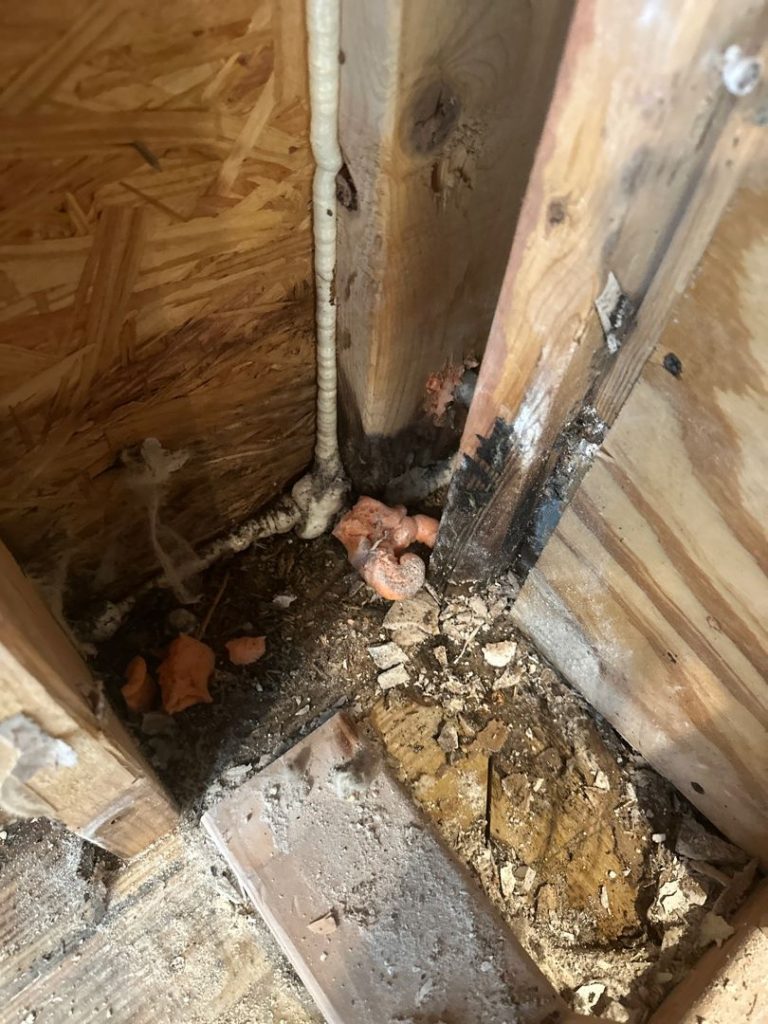
Many Columbus homes have partial or full basements, or crawl spaces. These below-grade spaces experience constant moisture exposure:
- Ground water seeping through foundation walls and floor
- Humid air entering through vents or gaps
- Condensation forming on cool foundation walls during summer
- Poor exterior drainage directing water toward foundations
- Sump pump failures allowing water accumulation
Moisture from these spaces migrates upward through the stack effect. Warm air rises in homes creating negative pressure in lower levels. This negative pressure pulls humid air from basements upward through floor penetrations, wall cavities, and utility chases. The moisture enters living spaces and creates conditions supporting mold growth in surprising locations far from the actual moisture source.
How Does Repeated Mold Exposure Affect Health Over Time?
Single exposure to mold rarely causes lasting health effects in healthy individuals. Repeated exposure presents different risks because sensitization increases with each exposure.
Respiratory System Impacts
Mold spores measure 3 to 40 microns in diameter. Particles in this size range bypass nasal filtration and penetrate deep into lung tissue. Repeated inhalation causes progressively worsening effects:
Asthma development or aggravation: People without previous asthma may develop it following repeated mold exposure. Those with existing asthma experience increased attack frequency and severity. Tom’s son required hospitalization twice during the year Tom attempted DIY mold removal. His symptoms improved dramatically after professional remediation eliminated the source.
Allergic reactions: Initial exposure may produce mild symptoms like sneezing or itchy eyes. Continued exposure can trigger severe allergic responses including difficulty breathing, facial swelling, and anaphylaxis in extreme cases.
Chronic bronchitis: Persistent inflammation of bronchial passages causes ongoing cough, mucus production, and breathing difficulty. This condition may continue even after mold exposure ends.
Hypersensitivity pneumonitis: Repeated exposure causes immune system overreaction affecting lung tissue. Symptoms include shortness of breath, cough, fever, and fatigue. The condition mimics flu or pneumonia but persists until exposure stops.
Immune System Sensitization
Your immune system learns from each mold exposure. Initial encounters may produce minimal response while subsequent exposures trigger increasingly strong reactions. This sensitization process can progress to the point where even minute spore quantities cause significant symptoms.
Once sensitized, individuals may react to mold exposure anywhere, not just in their homes. They develop lifelong sensitivity affecting their ability to tolerate environments others find acceptable.
Neurological and Cognitive Effects
Certain mold species produce mycotoxins affecting the nervous system. Stachybotrys and Aspergillus species generate particularly problematic compounds. Chronic exposure can cause:
- Memory problems and difficulty concentrating
- Persistent headaches
- Dizziness and balance problems
- Mood changes including anxiety and depression
- Chronic fatigue not improved by rest
- Numbness or tingling in extremities
These symptoms develop gradually. Patients and healthcare providers often attribute them to stress, aging, vitamin deficiency, or psychological factors while actual cause continues operating. Correct diagnosis requires specifically considering environmental exposures including mold.
Impact on Vulnerable Populations
Certain groups face elevated risk from mold exposure:
Infants and young children: Developing respiratory and immune systems react more strongly to mold. Exposure during early childhood may increase asthma risk and affect lung development permanently.
Elderly individuals: Age-related immune system decline reduces ability to resist mold effects. Existing respiratory or cardiac conditions complicate symptoms.
Immunocompromised people: Those with HIV/AIDS, cancer patients receiving chemotherapy, organ transplant recipients taking immunosuppressant drugs, and people with genetic immune disorders face serious risk from mold exposure. Certain mold species can cause life-threatening infections in these populations.
Pregnant women: Mold exposure during pregnancy may affect fetal development, though research continues on specific effects.
What Makes Professional Mold Remediation More Effective Than DIY Methods?
Professional remediation succeeds where homeowner efforts fail because of specialized knowledge, equipment, and comprehensive approach.
Thorough Moisture Investigation
Professional remediation begins with investigation, not removal. Certified technicians use equipment unavailable to typical homeowners:
Infrared thermal imaging cameras: Detect temperature patterns indicating moisture presence. Wet materials appear cooler than surrounding dry materials because moisture changes thermal properties. Thermal imaging reveals moisture inside walls, above ceilings, and under floors without destructive exploration.
Moisture meters: Provide precise measurements of moisture content in building materials. Different materials have different acceptable moisture levels. Professionals know these standards and identify materials requiring drying or replacement.
Hygrometers: Measure relative humidity throughout structures. This data creates moisture profiles revealing problem areas and helping determine appropriate drying strategies.
Borescopes: Allow visual inspection inside wall cavities, above ceilings, and in other hidden spaces. Small holes accommodate the camera without significant damage requiring repair.
This investigation often reveals multiple moisture sources. The visible mold growth may indicate just one problem while others remain hidden. Comprehensive investigation finds all issues requiring correction.
Complete Moisture Source Correction
Professional protocols require eliminating water intrusion before beginning mold removal. Active moisture sources guarantee treatment failure regardless of removal thoroughness.
Corrections might include:
- Roof repairs ranging from simple flashing replacement to complete reroof
- Plumbing repairs including pipe replacement, rerouting, or system upgrades
- Foundation waterproofing with exterior or interior drainage systems
- Improved ventilation through new or upgraded exhaust fans, attic vents, or whole-house ventilation systems
- Dehumidification systems maintaining proper indoor humidity levels
- Vapor barriers in crawl spaces or basements preventing ground moisture entry
- Drainage improvements including grading, gutters, downspout extensions, or surface drainage channels
These corrections address fundamental problems making mold growth possible. Remediating mold without source correction wastes resources and guarantees recurrence.
Proper Containment Protocols
Mold remediation activities disturb colonies and release astronomical spore quantities into air. Professional containment prevents this contamination from spreading throughout homes.
Containment strategies include:
Physical barriers: Heavy-gauge polyethylene sheeting creates sealed barriers around work areas. All penetrations are sealed with tape or spray foam. Openings exist only at controlled entry and exit points.
Negative air pressure: HEPA-filtered air scrubbers exhaust air from contained work areas. This creates negative pressure preventing contaminated air from escaping even if small gaps exist in barriers.
Decontamination chambers: Workers pass through transition areas between contaminated work spaces and clean areas. These chambers include shoe cleaning stations, personal protective equipment disposal points, and HEPA vacuuming stations.
Critical barriers: Especially sensitive situations require two-layer containment with separate work area and decontamination chambers preventing any cross-contamination.
These protocols seem extreme to homeowners but prove essential for preventing spore spread. One disturbed mold colony can contaminate an entire home if remediation occurs without proper containment.
Removal of Contaminated Materials
Professional standards developed by organizations like the Institute of Inspection, Cleaning and Restoration Certification (IICRC) require removing porous materials with significant mold contamination:
Drywall: Shows visible mold growth, indicates deep hyphae penetration requiring removal. Professional remediation cuts drywall at least 12 inches beyond visible contamination ensuring complete removal.
Insulation: Any mold presence requires complete removal. Insulation cannot be effectively cleaned and compressed insulation loses thermal efficiency even if cleaning were possible.
Ceiling tiles: Porous composition prevents effective cleaning. Contaminated tiles require disposal.
Carpet and padding: Cannot be effectively cleaned when mold has penetrated. Professional remediation removes both carpet and pad in affected areas.
Wood framing with deep penetration: Surface mold on framing can be treated. Deep penetration requires replacement of affected members.
This removal seems drastic and expensive. However, attempting to save heavily contaminated porous materials guarantees recurrence. The hyphae penetration proves too deep for surface treatment effectiveness regardless of product used.
Non-porous materials including metal studs, concrete, glass, and properly sealed wood can be treated rather than replaced.
Industrial Air Filtration Systems
Professional air scrubbers differ dramatically from consumer air purifiers:
- Process 400 to 2000 cubic feet per minute compared to 100 to 200 for consumer units
- Include HEPA filters capturing 99.97 percent of particles 0.3 microns and larger
- Feature pre-filters extending HEPA filter life
- Create negative air pressure essential for containment
- Include manometers measuring pressure differentials confirming proper operation
- Operate continuously throughout projects and 24 to 48 hours after completion
These machines cycle entire room volumes multiple times hourly, capturing spores released during remediation activities. This protection proves impossible with consumer equipment.
EPA-Registered Antimicrobial Products
Professional antimicrobial treatments differ substantially from household products:
- Specifically formulated and tested for mold remediation
- EPA registered for specific uses and surfaces
- Designed to penetrate porous materials rather than just treating surfaces
- Include residual protection inhibiting regrowth for extended periods
- Tested for effectiveness against specific mold species
- Meet safety standards for indoor use with proper ventilation
Professionals select products based on specific situation requirements. Different antimicrobials serve different purposes including killing active growth, preventing regrowth, and encapsulating surfaces where complete removal proves impractical.
Post-Remediation Verification
Professional remediation includes verification confirming successful completion:
Clearance testing: Independent laboratories analyze air samples collected after remediation. Spore counts and species identification confirm levels returned to normal ranges. Normal means equal to or lower than outdoor control samples collected simultaneously.
Visual inspection: Certified inspectors examine all treated areas confirming no visible mold remains.
Moisture verification: Final moisture readings confirm all materials dried to acceptable levels.
Documentation: Complete reports detail work performed, products used, test results, and photographic documentation. This documentation serves insurance claims, future property sales, or health investigations if symptoms persist.
This verification provides objective confirmation that subjective judgment and visual inspection cannot match.
When Should Columbus Homeowners Seek Professional Help?
Certain situations require professional intervention:
Large Contaminated Areas
EPA guidelines recommend professional remediation when visible mold exceeds 10 square feet (approximately 3 feet by 3 feet). Large colonies require containment and removal protocols beyond typical homeowner capabilities.
Attempting DIY remediation of large areas risks:
- Massive spore release contaminating unaffected areas
- Inadequate protective equipment allowing dangerous exposure
- Incomplete removal guaranteeing recurrence
- Unknown additional contamination in hidden spaces
Recurring Growth After Multiple Cleaning Attempts
If mold returns after two or three cleaning attempts, DIY methods cannot solve the problem. Continuing the same approach wastes money and allows deterioration.
Professional assessment identifies factors preventing DIY success. These typically include moisture sources requiring specialized repair, contamination in hidden areas, or mold species requiring specific treatments.
Contaminated HVAC Systems
Mold growth in heating, ventilation, and air conditioning equipment spreads spores throughout homes every time systems operate. This contamination:
- Requires specialized cleaning equipment and techniques
- Risks permanent equipment damage if performed incorrectly
- Involves components difficult to access without proper tools
- May indicate moisture problems requiring system modifications
Professional HVAC remediation includes ductwork cleaning, coil treatment, air handler decontamination, and system modifications preventing recurrence.
Water Damage Situations
Any mold resulting from flooding, major leaks, sewage backups, or other significant water events requires professional attention. These situations involve:
- Potential structural damage requiring engineering assessment
- Contaminated water requiring specialized handling
- Rapid mold proliferation across large areas
- Hidden moisture in wall cavities and under flooring
Professional water damage restoration includes immediate water extraction, structural drying, microbial growth prevention, and permanent repairs.
Health Symptoms in Household Members
When family members experience respiratory problems, allergic reactions, asthma attacks, chronic sinus infections, or other symptoms potentially connected to mold exposure, professional remediation becomes a health necessity.
Continued exposure while attempting DIY solutions risks:
- Progressive sensitization increasing reaction severity
- Permanent respiratory damage from certain mold exposures
- Development of chronic conditions requiring ongoing medical care
- Effects on children’s developing systems
Professional remediation quickly eliminates exposure risks protecting family health.
Pre-Purchase or Pre-Sale Situations
Buying or selling homes with mold history requires professional intervention:
Buyers: Professional assessment before purchase reveals full extent of problems and required repairs. This information supports negotiation or purchase decision. Without professional assessment, buyers risk inheriting expensive problems and ongoing health concerns.
Sellers: Professional remediation with proper documentation demonstrates problem resolution. This disclosure satisfies legal obligations, supports listing price, and prevents future liability.
Real estate transactions involving mold without professional remediation frequently result in disputes, contract failures, or litigation.
How Does Professional Remediation Cost Compare to Repeated DIY Attempts?
Cost concerns prevent many homeowners from seeking professional help initially. However, complete cost analysis often favors professional intervention.
Cumulative DIY Expenses
Each cleaning attempt requires:
- Cleaning products and antimicrobials: $20 to $60
- Protective equipment including respirators, gloves, coveralls: $25 to $75
- Repainting or sealing materials: $40 to $150
- Replacement air filters from contamination during cleaning: $15 to $40
- Dehumidifiers or fans: $50 to $300 (if not previously owned)
Tom Richardson spent approximately $200 per attempt across 8 attempts over 14 months, totaling $1,600. His expenses included multiple respirators (he kept losing them), various antimicrobial products (after discovering bleach didn’t work), paint and primer, and three dehumidifiers as he tried increasingly aggressive approaches.
His spending didn’t include healthcare costs for his wife’s chronic sinus infections and son’s worsening asthma, which added another $2,400 in copays, medications, and emergency room visits.
Professional remediation for his bedroom ceiling cost $2,800 including attic insulation upgrade, ventilation improvements, ceiling material replacement, and antimicrobial treatment. Total professional cost remained lower than his combined DIY and healthcare expenses, delivered permanent resolution, and ended his family’s health problems.
Property Damage Escalation
Untreated moisture sources cause progressive damage:
Structural wood deterioration: Continuous moisture exposure rots floor joists, roof rafters, wall studs, and other structural members. Minor repairs costing hundreds of dollars become major structural work costing thousands or tens of thousands.
Drywall and ceiling damage: Mold penetration weakens materials. Moisture causes sagging, cracking, and eventual collapse requiring extensive reconstruction.
Flooring damage: Moisture migrating through floors destroys hardwood, carpet, subflooring, and tile installations. Replacement costs escalate dramatically as damage spreads.
HVAC contamination: Mold spreading to heating and cooling systems requires expensive cleaning or equipment replacement. Untreated ductwork distributes spores throughout homes.
Decreased property value: Homes with mold history suffer decreased value even after DIY cleaning. Professional remediation with documentation maintains property value.
Professional Remediation Pricing
Columbus area professional mold remediation typically costs:
- Small projects: Under 10 square feet: $800 to $2,000
- Medium projects: 10 to 100 square feet or single room: $2,000 to $6,000
- Large projects: Multiple rooms or over 100 square feet: $6,000 to $20,000
- Whole-house projects: Severe contamination requiring extensive work: $20,000 to $50,000+
Prices vary based on:
- Contamination extent and severity
- Moisture source complexity and required repairs
- Structural damage requiring correction
- Materials requiring replacement
- Access difficulty
- Required reconstruction after remediation
Professional remediation includes:
- Permanent problem resolution with warranty
- Prevention strategy implementation
- Professional documentation for insurance or property sale
- Health protection for family members
- Peace of mind and end to recurring frustration
What Long-Term Prevention Strategies Stop Mold From Returning?
Professional remediation solves existing problems. Long-term success requires ongoing prevention:
Humidity Management Systems
Maintaining indoor relative humidity between 30 and 50 percent prevents mold growth. Columbus climate makes this challenging without mechanical assistance:
Whole-house dehumidifiers: Integrate with HVAC systems providing automatic humidity control throughout homes. These systems:
- Monitor humidity continuously
- Activate when levels exceed setpoints
- Drain condensate automatically to plumbing systems
- Include filters reducing airborne particles
Portable dehumidifiers: Target specific problem areas like basements, laundry rooms, or storage areas. Select models with:
- Capacity appropriate for space size (typically 50 to 70 pints daily for basements)
- Automatic humidistat control
- Continuous drain connections avoiding manual emptying
- Auto-restart after power failures
Ventilation systems: Energy recovery or heat recovery ventilators provide controlled fresh air exchange while minimizing energy loss. These systems particularly benefit tight modern homes lacking adequate natural air exchange.
Strategic Ventilation Improvements
Moisture removal requires proper ventilation:
Bathroom exhaust fans: Should move minimum 50 cubic feet per minute (larger bathrooms require 100+ CFM). Fans should:
- Exhaust outdoors (not into attics or crawl spaces)
- Operate during and 20 to 30 minutes after showers
- Include automatic timers or humidity sensors
- Receive regular cleaning maintaining airflow
Kitchen exhaust: Range hoods should exhaust cooking moisture outside rather than recirculating. Minimum 100 CFM capacity for standard cooking, 400+ CFM for serious cooking.
Attic ventilation: Balanced soffit and ridge or gable ventilation prevents moisture accumulation. Modern homes require approximately 1 square foot of ventilation per 150 square feet of attic floor space.
Crawl space management: Either proper ventilation or complete encapsulation with conditioned air supply. Columbus climate generally favors encapsulation over traditional ventilation.
Regular Professional Inspections
Annual inspections identify problems before they become severe:
- Moisture meter readings throughout homes
- Thermal imaging to detect hidden moisture
- Visual inspection of historical problem areas
- HVAC system evaluation including ductwork and drain lines
- Plumbing system assessment
- Roof and attic inspection
- Foundation and crawl space examination
These inspections typically cost $200 to $400 but prevent problems costing thousands to address.
Maintenance Best Practices
Simple regular maintenance prevents many problems:
- Clean gutters twice yearly preventing overflow and foundation water exposure
- Extend downspouts directing water at least 6 feet from foundations
- Maintain landscaping grades sloping away from homes
- Inspect and maintain plumbing fixtures, replacing worn supply lines and washers
- Change HVAC filters monthly or quarterly depending on type
- Annual HVAC professional maintenance including condensate drain cleaning
- Immediate repair of any roof leaks or flashing damage
- Caulk maintenance around windows, doors, and other penetrations
Lifestyle Adjustments
Daily habits significantly impact indoor moisture:
- Use exhaust fans whenever cooking or bathing
- Avoid indoor clothes drying unless using vented dryer
- Address spills and leaks immediately rather than allowing materials to stay wet
- Maintain consistent indoor temperatures preventing condensation
- Keep indoor humidity below 60 percent year-round
- Ensure furniture and storage items don’t block air circulation against exterior walls
- Open window coverings during daytime allowing sunlight and air movement
Why Choose PuroClean Home Savers for Columbus Mold Problems?
PuroClean Home Savers provides Columbus homeowners with certified expertise, advanced technology, and comprehensive solutions for mold problems. Our approach delivers permanent resolution rather than temporary cosmetic improvement.
Our team includes IICRC-certified technicians with specialized training in:
- Mold inspection and assessment
- Moisture investigation and source identification
- Proper containment and safety protocols
- EPA-approved treatment methodologies
- Columbus-specific building and climate considerations
- Prevention strategy development for local conditions
We invest in professional equipment including:
- Infrared thermal imaging cameras revealing hidden moisture
- Professional-grade moisture meters and hygrometers
- Industrial dehumidifiers and air movers
- HEPA air scrubbers creating proper containment
- Specialized antimicrobial application equipment
Every remediation project receives comprehensive treatment:
- Detailed initial assessment with complete moisture mapping
- Clear remediation plan addressing current mold and preventing recurrence
- Proper containment preventing spore spread during work
- Complete removal of contaminated porous materials
- Professional antimicrobial treatment of affected surfaces
- Post-remediation clearance testing verifying success
- Written documentation supporting insurance claims or property transactions
- Prevention recommendations specific to your property and situation
We understand the stress accompanying mold problems. Our team responds quickly to requests, communicates clearly throughout projects, explains technical information in understandable terms, and works efficiently minimizing disruption to your household.
Tom Richardson’s experience demonstrates the value of professional intervention. After 14 months of unsuccessful DIY attempts, substantial healthcare expenses, and ongoing frustration, professional remediation resolved his problem permanently in less than a week. His family’s health improved immediately. His home has remained mold-free for two years without recurrence.
Professional remediation represents an investment in your property value, your family’s health, and your peace of mind. The comprehensive approach addresses not just current visible mold but underlying causes and future prevention.
Frequently Asked Questions
How quickly should I address mold problems after discovering them?
Address mold promptly to prevent spread and minimize damage. Small areas caught early remain small projects. Delayed treatment allows contamination to expand, increases health exposure risks, and causes progressive property damage. Contact professionals within days rather than weeks or months.
Can I just paint over mold to cover it?
Never paint over mold. Paint doesn’t kill mold or stop growth. Mold continues growing under and through paint, eventually breaking through with worse appearance than original problem. Additionally, paint traps moisture against surfaces creating even better growth conditions. Always remediate properly before any painting.
Does homeowners insurance cover mold remediation?
Coverage depends on cause and policy terms. Insurance typically covers mold resulting from sudden accidental water damage like burst pipes or storm damage. It usually excludes mold from maintenance issues, gradual leaks, or flooding. Review your specific policy or consult your agent. Professional remediation companies provide documentation supporting covered claims.
How long does professional mold remediation take?
Small projects typically require 2 to 4 days including assessment, remediation, and verification. Medium projects span 4 to 7 days. Large projects may require 1 to 3 weeks depending on extent, required repairs, and drying time. Timeline varies based on specific circumstances. Professionals provide accurate estimates after initial assessment.
Should I test for mold before remediation?
Testing isn’t always necessary. Visible mold requires remediation regardless of species identification. Testing helps when: mold is suspected but not visible, determining if remediation succeeded, identifying specific species for health concerns, or supporting insurance claims or legal matters. Professionals recommend testing when it provides actionable information.
Can mold grow back after professional remediation?
Professional remediation eliminates existing mold and addresses causes preventing recurrence. Mold can return if: new moisture sources develop, prevention strategies aren’t maintained, or new water damage occurs. Following professional recommendations for maintenance and prevention prevents recurrence. Reputable companies offer warranties against regrowth.
What should I do if I suspect mold inside walls or ceilings?
Contact professionals for proper investigation. Signs of hidden mold include musty odors, visible moisture stains, unexplained health symptoms, or previous water damage. Professionals use moisture meters, thermal imaging, and inspection equipment locating hidden growth without unnecessary demolition.
Is it safe to stay in my home during mold remediation?
Depends on project size and occupant health. Small contained projects often allow staying in unaffected areas. Large projects or situations involving significant airborne spore release may require temporary relocation. People with respiratory conditions, immune compromise, mold sensitivity, or young children should relocate regardless of project size.
What’s the difference between mold and mildew?
Mildew refers to specific mold types growing on surfaces in damp conditions, typically appearing powdery white or gray. The term is often used for bathroom surface growth. Technically, mildew is a type of mold rather than a separate organism. Both require similar remediation approaches focused on moisture control and proper cleaning.
How do I know if professional remediation was successful?
Success indicators include: no visible mold in treated areas, absence of musty odors, clearance testing showing normal spore levels, moisture readings confirming materials dried properly, and cessation of health symptoms. Professional remediation includes post-work verification testing providing objective confirmation.
Conclusion
Mold recurrence after cleaning represents one of the most frustrating problems Columbus homeowners face. Surface cleaning cannot address the subsurface hyphae networks that regenerate visible growth repeatedly. Active moisture sources sustain this cycle regardless of cleaning frequency or product selection.
Professional mold remediation succeeds by addressing complete problems rather than just visible symptoms. Comprehensive moisture investigation identifies all water sources. Proper containment prevents contamination spread. Complete removal of affected materials eliminates mold reservoirs. Industrial equipment thoroughly dries structures. EPA-approved antimicrobials treat surfaces preventing regrowth. Prevention strategies stop future problems.
The investment in professional services delivers permanent resolution, protects family health, prevents progressive property damage, and eliminates the expensive cycle of recurring problems. Your home and family deserve solutions that work definitively rather than temporarily.
If you’re experiencing recurring mold growth in your Columbus area home, stop wasting time, money, and effort on ineffective temporary measures. Contact PuroClean Home Savers at (614) 689-0012 for comprehensive professional assessment and permanent mold remediation. Our certified technicians provide rapid response, efficient work, and guaranteed results protecting your property and your family’s health.

 PuroClean Home Savers