 PuroClean Home Savers
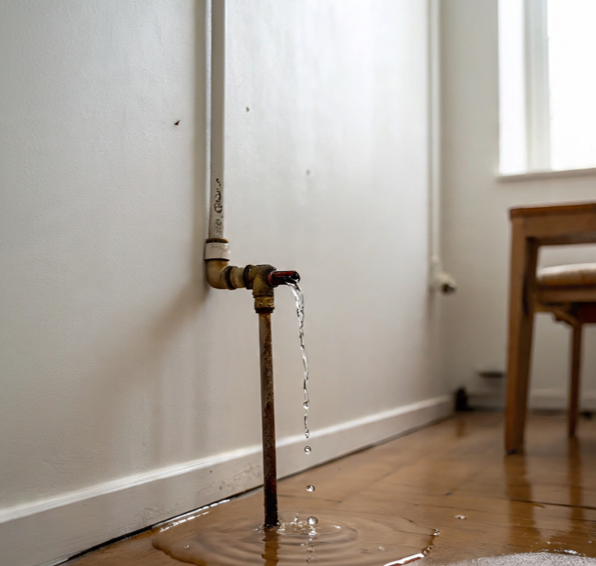
 Have you ever walked into your bathroom to find water pooling on the floor from a broken pipe? Your first instinct might be to grab some towels, soak up the visible water, and think you’ve solved the problem. But here’s the truth that most homeowners don’t realize: water damage goes far deeper than what meets the eye. It seeps into places you can’t see and creates problems that a simple cleanup can’t fix.
In this comprehensive guide, we’ll explore why water damage demands professional attention and reveal 10 critical warning signs that indicate you need more than just towels and a bucket. These aren’t minor inconveniences you can ignore. Left untreated, they lead to structural damage, health hazards, and repair costs that could reach tens of thousands of dollars.
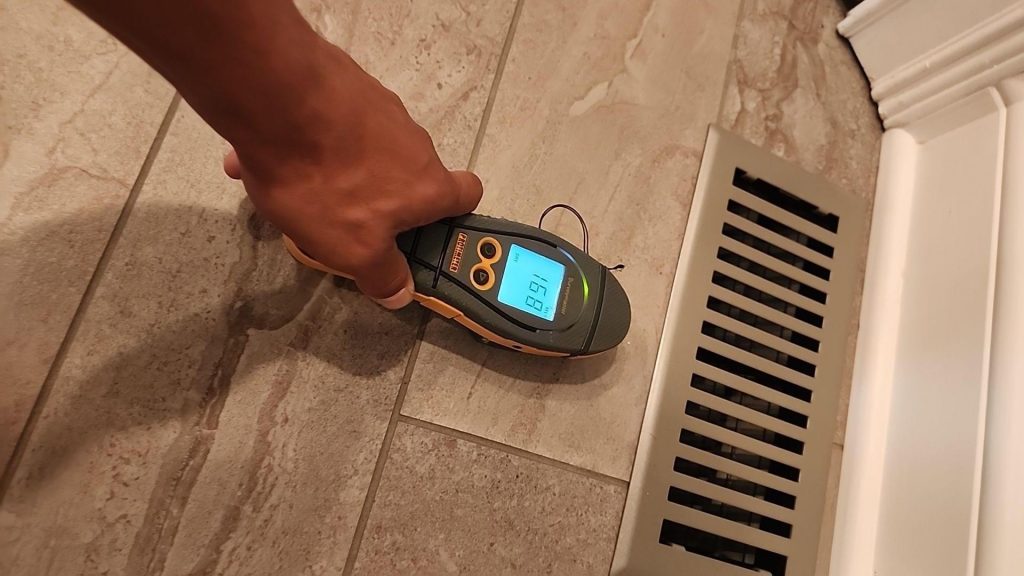
Professional water extraction goes beyond surface cleaning. It uses industrial-grade equipment like powerful pumps, commercial dehumidifiers, and precise moisture detection tools to eliminate water from every hidden corner. A basic cleanup only addresses what you can see, leaving moisture trapped in walls, under flooring, and in building materials where it continues causing damage.
We’ll walk through this topic in a conversational way, addressing the questions you’re probably asking right now, like “How do I know if that small leak is actually a big problem?” But first, let’s share a real story that shows exactly what can happen when water damage gets dismissed as a simple cleanup job.
A Homeowner’s Wake Up Call: Mike’s Costly Mistake
Meet Mike, a hardworking father of two who lived in a comfortable two-story home in suburban Columbus. It was a typical Tuesday morning when he discovered water covering his basement floor. A pipe fitting had failed overnight, and water had spread across the concrete and seeped under his finished basement walls.
Mike did what seemed logical. He used a shop vacuum to remove the standing water, set up a couple of fans, and figured the problem was solved. The basement looked dry within a day, and he was proud of handling the situation without calling anyone.
But three weeks later, Mike noticed something troubling. A strange, musty smell had developed in the basement. His wife mentioned that their youngest son had been coughing more than usual. Mike brushed it off initially, thinking it was just seasonal allergies.
The real shock came a month later. Dark spots began appearing on the basement walls, and the carpet padding had developed a spongy, wet feeling. When Mike finally called a water damage professional, they delivered devastating news. Moisture had penetrated deep into the wall cavities and insulation. Mold colonies had established themselves throughout the lower level of his home.
The cleanup Mike thought had cost him nothing ended up requiring $15,000 in professional remediation. His family had to stay with relatives for a week while crews removed contaminated materials and treated the entire basement. Worse, his homeowner’s insurance questioned whether the damage could have been prevented with immediate professional intervention.
Mike’s story illustrates a crucial point: water damage isn’t just about the water you can see. It’s about what happens in the hours, days, and weeks after that water spreads to areas beyond your reach. His initial “successful” cleanup had only addressed a fraction of the actual problem.
Now let’s examine the 10 warning signs that indicate water damage requires professional attention, not just a quick cleanup.
Does That Lingering Musty Smell Mean You Have a Hidden Problem?
If you’ve cleaned up visible water but still notice a damp, earthy odor days or weeks later, you’re experiencing one of the most reliable indicators of hidden moisture problems. This smell typically originates from mold and mildew growth in areas your initial cleanup couldn’t reach.
Why does this happen? When water penetrates porous materials like drywall, insulation, or subflooring, it creates perfect conditions for microbial growth. These organisms release volatile organic compounds as they multiply, creating that distinctive musty odor.
This situation requires urgent attention because mold spores become airborne and circulate throughout your home’s ventilation system. Family members may experience respiratory irritation, allergic reactions, or asthma flare-ups. Children and elderly individuals face particular risks from prolonged exposure.
Professional water extraction addresses this issue by using moisture meters to locate hidden water, then deploying specialized drying equipment to eliminate it completely. Air scrubbers remove existing spores while dehumidifiers prevent future growth.
If you notice persistent odors after water damage, don’t mask them with air fresheners. Document the smell’s location and intensity, then contact professionals who can identify and eliminate the source.
Are Those Water Stains on Your Walls and Ceiling Serious?
Those brown, yellow, or rust-colored rings and patches on your walls and ceiling aren’t just cosmetic issues. They’re visual proof that water has penetrated beyond surface materials and saturated the internal structure of your walls.
Water stains indicate that moisture has moved through multiple layers of building materials. In walls, this means water has likely reached insulation, wooden framing, and potentially electrical components. Ceiling stains often signal ongoing leaks or inadequate drying after initial water exposure.
The urgency here relates to structural integrity and health concerns. Prolonged moisture exposure weakens drywall, causes wooden studs to rot, and creates environments where harmful bacteria and mold thrive. What starts as a small stain can expand rapidly as moisture continues spreading through connected materials.
Professional remediation teams use thermal imaging cameras to detect the full extent of moisture penetration without destructive testing. They can see exactly where water has traveled and determine whether materials need removal or can be saved through proper drying.
If water stains appear or expand after your cleanup efforts, photograph them for documentation and seek professional assessment. Early intervention often saves materials that would otherwise require complete replacement.
Is Warped or Buckled Flooring a Sign of Deeper Issues?
When hardwood floors develop waves, laminate planks separate at joints, or vinyl flooring shows bubbles and warping, you’re seeing evidence that water has reached the subfloor level. This type of damage indicates that your surface cleanup didn’t address moisture in lower structural layers.
Subfloor moisture creates several serious problems. Wooden subflooring can develop rot, compromising the structural support for your entire floor system. Metal fasteners and hardware may corrode, leading to loose or squeaky floors. In severe cases, joists and beams can suffer damage that affects your home’s structural stability.
Flooring damage also creates safety hazards. Uneven surfaces become trip risks, and weakened subflooring may not support normal loads safely. Additionally, trapped moisture in subflooring provides ideal conditions for mold growth in a location that’s extremely difficult to access and treat.
Professional extraction services address subfloor moisture using specialized equipment designed to remove water from beneath finished flooring. This process often preserves flooring materials that would otherwise require complete replacement.
Check for flooring problems by walking carefully across affected areas and noting any soft spots, movement, or unusual sounds. If you find these issues, avoid placing heavy objects on the affected areas and contact professionals immediately.
Should Electrical Problems After Water Damage Concern You?
Flickering lights, sparking outlets, frequently tripping circuit breakers, or complete electrical failures after water exposure represent serious safety emergencies that go far beyond cleanup concerns.
Water and electricity create potentially fatal combinations. Even small amounts of moisture in electrical systems can cause shorts, fires, or electrocution hazards. Corrosion from water exposure continues damaging electrical components long after visible water disappears.
These situations require immediate professional attention because electrical safety isn’t something homeowners should attempt to handle independently. Water in electrical systems often necessitates replacement of affected components and thorough drying of the surrounding areas.
Professional water extraction teams coordinate with qualified electricians to ensure safe water removal around electrical systems. They understand proper procedures for working near electrical components and can identify situations where power disconnection is necessary.
If you notice any electrical irregularities after water damage, immediately shut off power to affected areas at your circuit breaker panel. Don’t attempt to use electrical devices in areas that have experienced water damage until professionals have assessed the situation.
What Does Visible Mold Growth Tell You About Your Water Problem?
Discovering fuzzy black, green, white, or orange patches growing on surfaces after water damage means you’re seeing the tip of a much larger problem. Visible mold indicates that moisture levels have remained elevated long enough for established colonies to develop.
Mold growth signals that your initial cleanup efforts didn’t eliminate the moisture source. More importantly, visible mold represents only a small fraction of the total mold present. For every patch you can see, extensive growth likely exists in wall cavities, under flooring, or in other hidden areas.
Health implications make mold growth particularly urgent. Mold releases spores continuously, affecting indoor air quality and potentially causing respiratory problems, skin irritation, or immune system stress. Some mold species produce toxins that pose serious health risks with prolonged exposure.
Professional remediation addresses both visible mold and hidden growth using containment procedures, specialized removal techniques, and treatment of affected materials. They also identify and eliminate moisture sources to prevent future growth.
If you discover mold growth, avoid disturbing it through cleaning attempts, as this can release large quantities of spores into the air. Document the growth with photographs, then contact professionals who can safely remove it and prevent recurrence.
Are Soft or Sagging Ceilings an Emergency?
A ceiling that feels soft to the touch, shows visible sagging, or has developed cracks and bulges has absorbed significant amounts of water and represents an immediate safety hazard.
Ceiling damage indicates that water has accumulated in the space above, often from upstairs leaks, roof damage, or plumbing failures. The weight of this trapped water, combined with the weakening of ceiling materials, can lead to sudden collapse.
Beyond immediate safety concerns, sagging ceilings signal extensive water damage to insulation, electrical systems, and structural components above the affected area. This type of damage typically requires professional assessment to determine the extent of structural impact.
Professional water extraction teams can safely remove water from ceiling cavities and assess whether ceiling materials can be dried in place or require replacement. They also coordinate with structural engineers when necessary to ensure safety.
If you notice ceiling damage, immediately move furniture and people away from the affected area. Place containers to catch any dripping water, but don’t attempt to probe or repair the ceiling yourself. Contact professionals immediately for emergency assessment and stabilization.
What Does Peeling Paint or Wallpaper Indicate?
When paint begins bubbling and peeling or wallpaper starts separating from walls after water exposure, you’re seeing evidence that moisture has penetrated behind these surface materials.
This type of damage indicates that water has reached the drywall or plaster underneath decorative surfaces. The moisture disrupts the adhesion between materials, causing visible separation. More concerning, this trapped moisture creates perfect conditions for mold growth in wall cavities.
Peeling surfaces also expose underlying materials to additional moisture and potential contamination. Once protective surface layers fail, the rate of damage acceleration increases significantly.
Professional remediation often requires removal of damaged surface materials to access and treat underlying moisture. However, early intervention can sometimes preserve materials through proper drying techniques.
If you notice surface material separation, gently test the edges to determine the extent of the problem, but avoid removing large sections yourself. Document the damage and contact professionals who can assess whether materials can be saved or require replacement.
Why Is Increased Humidity a Warning Sign?
If your home feels unusually humid or you notice increased condensation on windows and other surfaces after water damage, you’re experiencing evidence that water is continuing to evaporate from hidden sources.
Elevated humidity creates multiple problems beyond discomfort. High moisture levels in air promote mold growth throughout your home, even in areas not directly affected by the initial water damage. Excess humidity also damages electronics, musical instruments, artwork, and other moisture-sensitive belongings.
Additionally, humid conditions can cause ongoing structural problems as building materials absorb moisture from the air. This creates a cycle where materials never fully dry, leading to progressive deterioration.
Professional water extraction includes comprehensive humidity control using commercial dehumidification equipment. This process removes moisture from both materials and air, preventing the cascade of problems associated with elevated humidity.
Monitor humidity levels using an inexpensive hygrometer from any hardware store. If readings consistently exceed 60% after water damage, professional intervention is necessary to identify and eliminate ongoing moisture sources.
Do Health Symptoms Signal Hidden Water Problems?
When family members develop unexplained coughing, sneezing, headaches, or respiratory irritation after water damage, these symptoms may indicate exposure to mold, bacteria, or other contaminants associated with moisture problems.
Health symptoms are particularly significant because they often appear before visible signs of contamination become apparent. Your family’s health essentially serves as an early warning system for indoor air quality problems.
These symptoms can worsen rapidly and may have long-term consequences if exposure continues. Children, elderly family members, and individuals with compromised immune systems face particular risks from water damage-related contaminants.
Professional water extraction includes air quality assessment and treatment to eliminate biological contaminants. Many services coordinate with industrial hygienists to ensure thorough contamination removal.
If family members develop symptoms that coincide with water damage, document the timeline and symptoms, then consult with healthcare providers while simultaneously addressing the underlying moisture problem through professional remediation.
What Do Discolored or Corroded Fixtures Mean?
Rust on pipes, corrosion on metal fixtures, or unusual discoloration on plumbing components indicates that water damage has created ongoing moisture problems affecting your home’s infrastructure.
Fixture corrosion signals that moisture levels remain elevated in areas where metal components are installed. This ongoing moisture exposure will continue causing deterioration until properly addressed.
Corroded fixtures also indicate potential water quality problems, as rust and other corrosion products can contaminate your water supply. Additionally, corroded pipes and fittings become more prone to failure, potentially creating additional water damage.
Professional assessment can determine whether fixture problems result from ongoing moisture issues or indicate impending plumbing failures. Early intervention often prevents more extensive damage from pipe bursts or fixture failures.
If you notice fixture corrosion or discoloration, have your water quality tested and contact professionals to assess the underlying moisture conditions causing the deterioration.
Frequently Asked Questions About Professional Water Extraction
What exactly is professional water extraction and how does it differ from basic cleanup?
Professional water extraction uses industrial-grade equipment to remove moisture from all affected materials, not just visible surface water. This includes specialized pumps, commercial dehumidifiers, air movers, and moisture detection equipment. Basic cleanup only addresses water you can see, leaving moisture in walls, subflooring, and other hidden areas where it continues causing damage.
How quickly should I contact professionals after discovering water damage?
Contact professionals immediately, ideally within 24 hours of water damage discovery. Mold growth can begin within 48 hours, and structural damage accelerates rapidly when moisture remains in building materials. Quick response significantly reduces both damage extent and remediation costs.
Can I handle small water incidents myself without professional help?
Minor spills from clean water sources on non-porous surfaces can often be handled with immediate, thorough drying. However, if water has contacted porous materials, reached subflooring, or came from contaminated sources, professional intervention prevents future problems. When in doubt, professional assessment costs far less than dealing with hidden damage later.
What does professional water extraction typically cost?
Costs vary widely based on damage extent, water source, and affected materials, but typically range from $1,500 to $8,000 for residential properties. Many homeowner’s insurance policies cover water damage remediation when the damage results from sudden, accidental incidents. Professional restoration companies often work directly with insurance providers to streamline the claims process.
How can I prevent future water damage in my home?
Regular maintenance prevents most water damage incidents. Check plumbing connections quarterly, inspect your roof annually, clean gutters regularly, and address minor leaks immediately. Install water detection devices near water heaters, washing machines, and in basements. Know the location of your main water shutoff valve and ensure all family members understand how to use it.
Is mold growth always dangerous to my family’s health?
Any mold growth indicates moisture problems and can affect indoor air quality. While sensitivity varies among individuals, mold exposure can trigger respiratory problems, allergic reactions, and other health issues. Children, elderly individuals, and people with compromised immune systems face greater risks. Professional mold remediation ensures safe removal and prevents recurrence.
What equipment do professional water extraction services use?
Professionals use moisture meters to detect hidden water, industrial pumps and vacuums for water removal, commercial dehumidifiers for humidity control, high-velocity air movers for drying, and thermal imaging cameras to identify moisture in wall cavities. They also use air scrubbers to improve air quality and specialized injection drying systems for drying wall cavities without removal.
Will untreated water damage affect my home’s resale value?
Absolutely. Undisclosed water damage can significantly reduce property value and create legal complications during home sales. Buyers and inspectors can identify signs of previous water damage, and unresolved moisture problems continue causing deterioration that becomes expensive to address. Professional remediation with proper documentation protects your investment.
How long does professional water extraction and drying take?
Extraction typically takes 1-3 days, followed by drying periods that range from 3-10 days depending on materials affected and damage extent. Severe damage or contaminated water may require additional time for antimicrobial treatment and air quality restoration. Most families can remain in their homes during the process unless health hazards are present.
Do I need to leave my home during professional water extraction?
Most water extraction and drying processes allow families to remain in their homes with some inconvenience from equipment noise and restricted access to affected areas. However, evacuation may be necessary if mold contamination is extensive, if sewage contamination is present, or if structural safety is compromised. Your remediation team will assess safety and make appropriate recommendations.
Don’t Let Water Damage Destroy Your Home and Health
Recognizing these 10 warning signs can save you thousands of dollars and protect your family’s health. Each sign indicates that water damage extends beyond what surface cleaning can address. Remember Mike’s story and how his attempt at a simple cleanup led to extensive damage and costly repairs.
Water damage doesn’t resolve itself. It spreads, intensifies, and creates new problems until properly addressed by professionals with the right equipment and expertise. The longer you wait, the more extensive and expensive the remediation becomes.
If you’re currently dealing with any of these warning signs, don’t delay. Contact local water damage professionals who can assess the situation and prevent further deterioration. Your home and family’s health are too important to risk on incomplete solutions.
Take action now to protect your most valuable investments: your home and your family’s wellbeing.
Need Immediate Water Damage Restoration in Columbus?
Call PuroClean Home Savers now at (614) 467-4436 for fast, reliable service.
With over 15 years of experience in water damage cleanup, drying, and property restoration, our certified team has helped countless Columbus homeowners and businesses recover quickly and prevent long-term damage.
We’re proud to have earned 100+ five-star reviews on Google, a testament to our commitment to quality, safety, and customer satisfaction.
Read our verified customer reviews here and see why Columbus trusts PuroClean Home Savers for professional water damage restoration.

 PuroClean Home Savers