


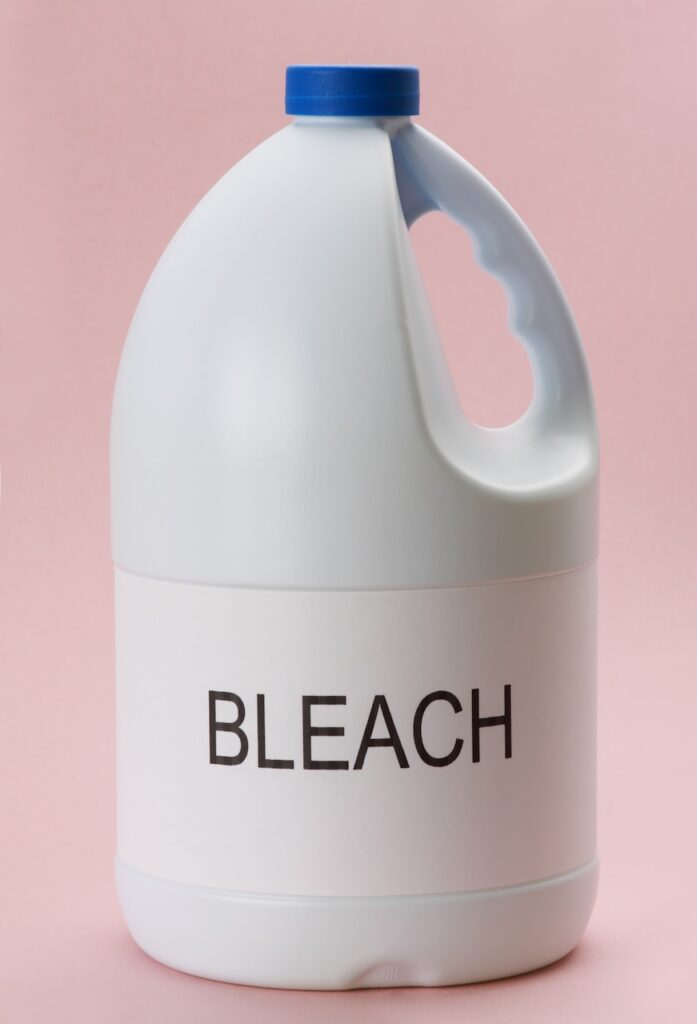
Grout can quickly become stained, prompting many homeowners to reach for bleach as a quick solution. But does bleach damage grout? While bleach can effectively whiten grout and tackle stubborn stains, it has potential drawbacks. In this article, we’ll explore the pros and cons of using bleach on grout, safe application tips, potential long-term effects, and alternative methods for effective grout cleaning.
Pros and Cons of Using Bleach on Grout
Bleach can be a powerful tool for tackling stains and discoloration in grout lines, but weighing its advantages and potential downsides before use is essential.
Pros of Using Bleach on Grout
- Effective Stain Removal: Bleach is known for its strong whitening properties, which make it effective at removing tough stains, especially from mold or mildew.
- Disinfection: Bleach can eliminate bacteria, mold, and mildew on contact, making it a suitable choice for bathroom and kitchen surfaces prone to moisture.
Cons of Using Bleach on Grout
- Potential for Grout Damage: Prolonged use of bleach can erode grout over time, leading to cracks or crumbling. This is especially true for non-epoxy grout, which can be more porous.
- Fading Color: If your grout is colored, bleach can strip away the pigment, leaving it faded or uneven.
- Health and Environmental Risks: Bleach produces strong fumes that can cause respiratory irritation and contribute to environmental pollution if used excessively.

Using an R95 face mask while using bleach is essential in preventing the inhalation of fumes.
While bleach can work wonders in small doses, overuse or improper application can damage your grout, making it more susceptible to future problems.
Does Bleach Damage Grout? Safe Application Tips
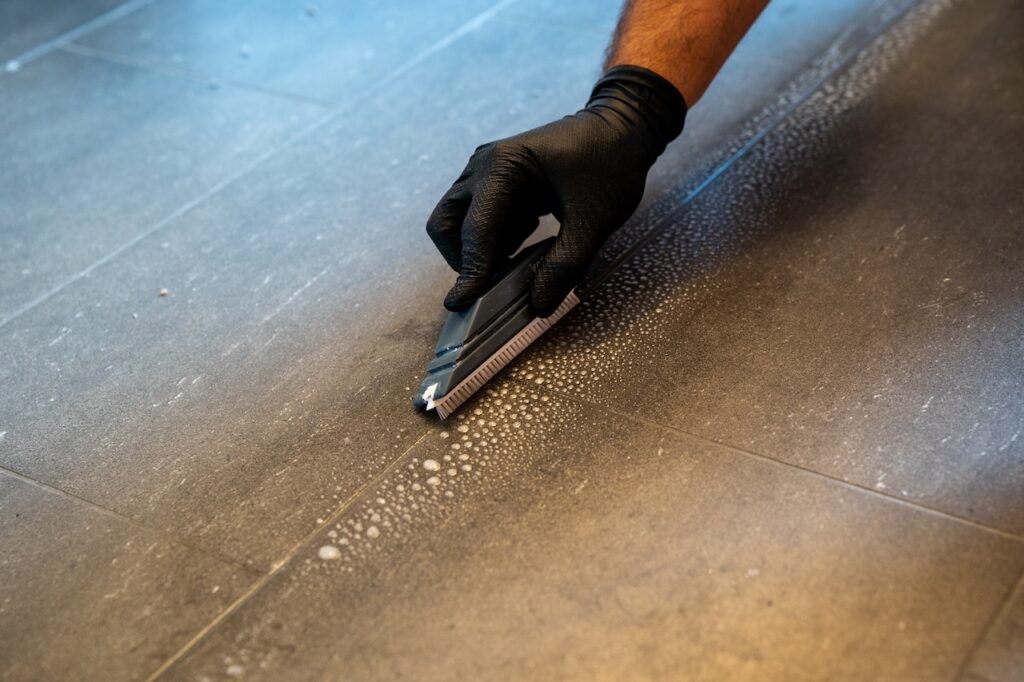
Tools like soft blade brushes will elongate the life of your grout.
If you choose to use bleach for grout cleaning, following these safety measures can help minimize the potential for damage:
- Dilute the Bleach: Avoid using undiluted bleach on grout. Mixing bleach with water (1 part bleach to 10 parts water) can reduce its harshness while effectively cleaning.
- Use a Soft-Bristle Brush: To minimize damage, use a soft-bristle brush when scrubbing bleach on grout. Stiff brushes or abrasive scrubbers can increase wear and tear.
- Limit Contact Time: Avoid leaving bleach on grout for extended periods. A few minutes is often enough for effective cleaning, after which it should be thoroughly rinsed with clean water.
- Ensure Proper Ventilation: Keep windows open and fans running to avoid inhaling fumes when using bleach indoors.
By carefully applying bleach, you can minimize its impact on grout, helping maintain its integrity while achieving a cleaner appearance.
Potential Long-Term Effects of Using Bleach on Grout
Repeated bleach use can have lasting effects on grout quality. For instance, prolonged exposure to bleach can cause grout to become brittle or even disintegrate. Over time, this can compromise your tiled surfaces, as the damaged grout fails to provide the necessary support and water resistance.

Because bleach can harm your grout even after you’ve rinsed it, sparing use is recommended.
Additionally, because bleach is highly alkaline, it can leave a residue on grout that continues to weaken it, especially in high-moisture areas like showers or bathrooms. This weakening makes grout more susceptible to cracking, allowing water to seep behind tiles and potentially causing costly water damage.
To ensure long-lasting grout, it’s essential to limit bleach use and consider gentler alternatives for regular cleaning.
Alternatives to Bleach for Grout Cleaning
For those looking to avoid the potential downsides of bleach, several alternative grout cleaning methods are both practical and safe:
- Baking Soda and Vinegar: This natural combination is powerful for tackling grime and buildup on grout. Mix baking soda and water to form a paste, apply it to grout lines, and spray with vinegar before scrubbing with a brush.
- Hydrogen Peroxide: A safer alternative to bleach, hydrogen peroxide can disinfect and whiten grout without the harsh side effects. Apply it directly to the grout and scrub gently to lift stains.
- Steam Cleaning: Using a steam cleaner is chemical-free to loosen dirt and bacteria from grout lines. This method works particularly well on porous grout and is safe for colored grout.
- Oxygen Bleach: Unlike chlorine bleach, oxygen bleach (found in many laundry additives) is less harmful to grout and offers similar whitening benefits without the risk of erosion or fading.
These alternative methods can keep your grout clean and fresh while helping to avoid the damage associated with frequent bleach use.
Check out the EPA’s website on green/homemade cleaners. These recipes can all be concocted with simple ingredients found in the home.
Grout Maintenance and PuroClean’s Restoration Services
Regular grout cleaning is essential for preserving the appearance and integrity of your tiled surfaces, but using harsh chemicals like bleach should be approached with caution. For routine care, consider alternatives that protect your grout over the long term. Additionally, if you notice significant grout damage or mold growth that seems unmanageable, professional help may be necessary.
Southern Indiana’s Mold Removal Specialists
Mold and water damage can often compromise grout and tiled surfaces, especially in humid areas. At PuroClean of Southern Indiana, our team specializes in mold removal and water damage restoration, ensuring your home remains safe and resilient. For more information on how we can help with mold issues, visit PuroClean of Southern Indiana or call (812) 951-1300 today. Let us assist you in protecting your home’s surfaces from lasting damage.