


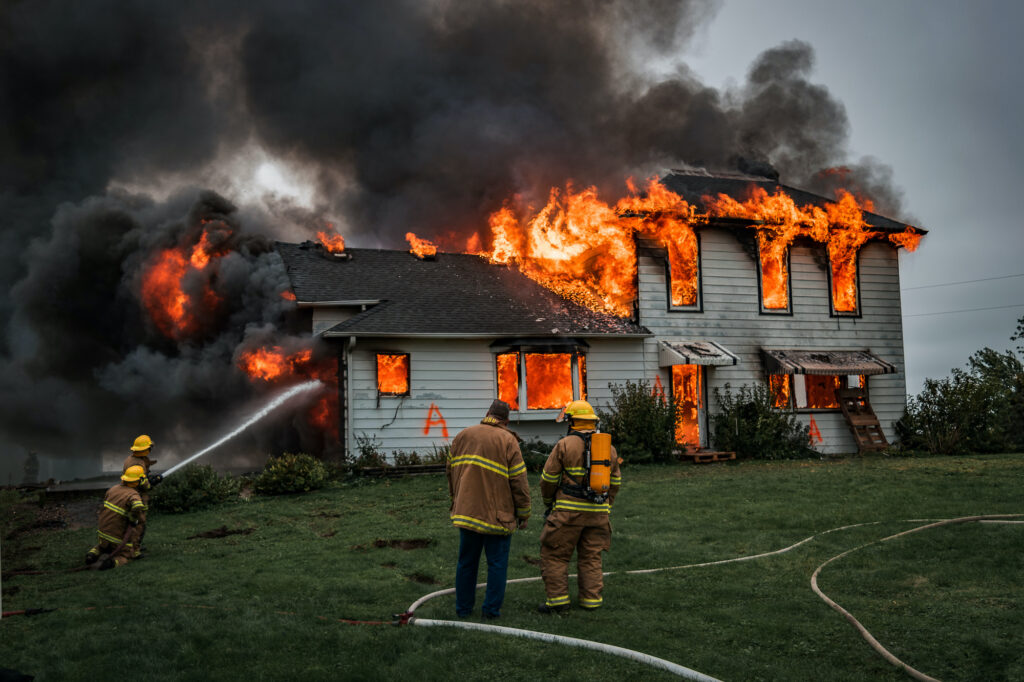
Recovering from a fire is overwhelming. In the blink of an eye, your home, memories, and sense of safety can be damaged by flames, smoke, and soot. For homeowners in Glendora, CA—a region known for its hot, dry climate and wildfire risks—fire damage restoration isn’t just a service, it’s a necessity.
But here’s the catch: the steps you take after a fire can either speed up recovery or make things exponentially worse. Too many homeowners, in their rush to get back to normal, fall into common pitfalls that cause more harm than good.
1. Jumping Into DIY Cleanup Too Soon
We get it—you want to take action. The instinct to grab a mop and start scrubbing is strong. But post-fire cleanup isn’t like regular house cleaning. Soot, smoke residue, and charred debris contain hazardous chemicals that can irritate your skin, lungs, and eyes.
Without professional-grade equipment, you risk:
- Spreading toxic particles through the air
- Embedding soot deeper into porous surfaces
- Contaminating “clean” areas of the home
🛑 Instead: Wait for clearance from fire authorities and hire a certified fire damage restoration team. They’ll assess the scene, secure the structure, and safely remove hazardous materials.
2. Ignoring Smoke and Soot Damage
Even if flames didn’t reach every room, smoke and soot absolutely did. These particles travel through vents, insulation, walls, and ceilings—coating surfaces and creating long-term damage.
Common homeowner mistakes include:
- Wiping walls or furniture with water (this can smear soot and stain surfaces)
- Skipping odor removal, assuming it’ll go away
- Leaving HVAC systems running, which circulates smoke throughout the home
🛑 Instead: Prioritize professional soot removal and air purification. Restoration specialists use HEPA vacuums, ozone treatments, and thermal fogging to neutralize odors and clean safely.
3. Delaying the Restoration Process
Time is not on your side after a fire. Every hour counts. Lingering soot is acidic and will corrode metal, stain fabrics, and degrade surfaces quickly. Water from firefighting efforts can also lead to mold growth within 24–48 hours.
Waiting too long can lead to:
- More extensive structural damage
- Higher restoration costs
- Insurance claim complications
🛑 Instead: Act fast. Once the property is safe to enter, call a local Glendora fire damage restoration company to begin the cleanup and drying process immediately.
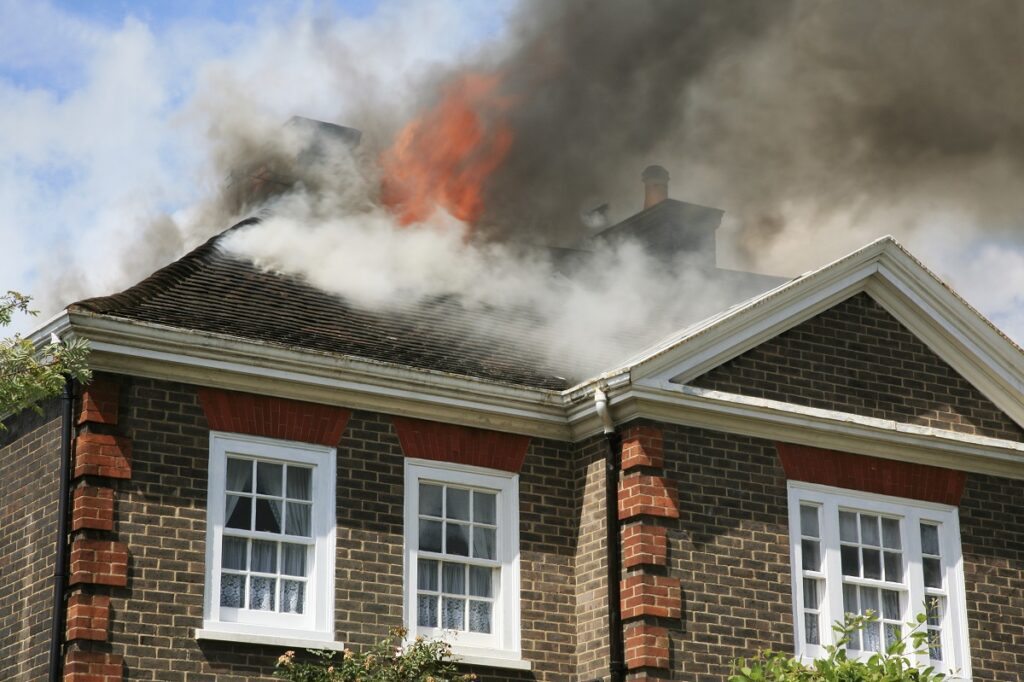
4. Failing to Document the Damage
Before any cleanup or removal begins, everything must be photographed and documented for insurance purposes. Too many homeowners toss out damaged items or begin repairs before properly cataloging their losses.
That mistake can lead to:
- Rejected or underpaid claims
- Headaches when trying to prove property value
- Gaps in coverage
🛑 Instead: Take clear, dated photos of every affected room, item, and surface. Keep receipts, make lists, and consult your insurance provider about what documentation they require.
5. Not Contacting Your Insurance Company Immediately
After a fire, one of your first calls should be to your insurance provider. Waiting too long or giving incomplete information can delay your claim and leave you footing the bill for urgent repairs.
Don’t make the mistake of:
- Waiting until you’ve gotten estimates to call
- Guessing what’s covered in your policy
- Failing to request an independent adjuster if needed
🛑 Instead: Contact your provider as soon as you’re safe. Ask about next steps, what vendors are approved, and whether emergency services like board-up or tarp-over are reimbursable.
6. Overlooking Structural Integrity
Even if a fire seems “small,” it can weaken structural elements like floor joists, beams, and roof supports. Don’t assume that because walls are still standing, your home is safe.
Common mistakes:
- Walking into unsafe areas without checking stability
- Attempting DIY repairs on damaged wood or drywall
- Skipping a structural assessment by licensed pros
🛑 Instead: Have a restoration company or structural engineer evaluate the property. In Glendora, local codes must also be followed, especially if you’re making major repairs or renovations.
7. Hiring Unlicensed or Out-of-Town Contractors
Sadly, post-disaster scenarios attract scammers and unqualified contractors who prey on vulnerable homeowners. They may offer cheap prices or quick fixes—but often leave behind shoddy work or disappear with your deposit.
🛑 Instead:
- Hire licensed, insured, and locally based contractors in Glendora.
- Check reviews, ask for references, and verify credentials.
- Look for IICRC-certified fire restoration companies with a solid track record.
8. Skipping an Air Quality Test
One of the most overlooked dangers after a fire? Indoor air contamination. Smoke, soot, and chemical residues can linger for weeks, even months, affecting your health—especially if you have allergies, asthma, or children.
🛑 Instead: Ask your restoration team about indoor air quality (IAQ) testing. They may recommend air scrubbers, HVAC cleaning, or replacing filters throughout the home.
9. Not Salvaging What You Can (Safely)
While many things will need to be discarded, some items—like electronics, furniture, or sentimental keepsakes—can often be restored with proper cleaning.
Don’t rush to toss out:
- Photos and documents (they can be freeze-dried or restored)
- Electronics (they should be inspected, not just thrown away)
- Furniture (upholstery and wood can sometimes be saved)
🛑 Instead: Let the professionals assess what can be restored and what’s beyond repair. They often have tools and solutions you won’t find at a hardware store.