


By Bamidele Bello: Greenfield and Indianapolis, Indiana | PuroClean Disaster Restoration | (317) 467-4436
Executive Summary
When an ice storm rolls through Greenfield or Indianapolis, the roof you see from the street may look perfectly fine the next morning. That surface appearance is one of the most dangerous things about ice storm damage. Hidden beneath shingles and inside wall cavities, water is already moving. Ice dams force meltwater under roofing materials. Freeze-thaw cycles crack flashing and split aging shingles. Saturated insulation begins losing its R-value and feeding mold spores within 24 to 48 hours.
This blog gives you the specific signs of ice storm roof damage that Greenfield and Indianapolis homeowners should never dismiss, explains when the problem requires professional restoration rather than a DIY patch, and tells you exactly who to call if you need immediate help in this area.
What Does an Ice Storm Actually Do to a Roof?
Most people picture wind damage when they think of storm damage. Ice storms work differently. Freezing rain bonds to every roofing surface and adds weight silently and continuously. One inch of ice can add more than a pound of weight per square foot across the entire roof surface. That sustained load stresses gutters, fascia boards, sheathing, and structural rafters.
What follows is the freeze-thaw cycle. During the day, surface ice melts and water seeps into every small crack in shingles, flashing joints, and around pipe boots. At night, that water refreezes and expands, widening those cracks. After a few cycles, damage that began at the size of a hairline becomes a clear water pathway into the home.
In Greenfield and Indianapolis, winter temperatures commonly hover right around the freezing point for days at a time. That is precisely the weather pattern that produces the most cycle-driven roof damage. The risk is not just one big storm. It is the repeated stress that follows.
What Are the Roof Damage Signs Homeowners Should Never Ignore After an Ice Storm?
Large Icicles Hanging from Gutters and Eaves
Most people think icicles look harmless or even picturesque. They are actually a diagnostic signal. Large icicles form when meltwater from the upper, warmer sections of your roof runs toward the colder eaves and refreezes. That same process is also building an ice dam just behind the gutter line. An ice dam traps meltwater and forces it under your shingles. Ignore the icicles and you may be ignoring an active leak that has already reached your attic insulation.
Water Stains on Ceilings or Upper Walls
This sign demands immediate attention. A yellow or brown ring on your ceiling after an ice storm means water has already penetrated the roof deck, passed through insulation, and reached the drywall. The actual entry point is almost always higher on the roof than where the stain appears. By the time you see the stain, the damage pathway has been active for days. Calling a restoration professional the moment you see this is not an overreaction. It is the right call.

Granules Collecting in Gutters or at Downspout Exits
Run your hand through the debris at the base of your downspout after the ice melts. If you feel a gritty, sand-like material in significant quantity, that is granule loss from your asphalt shingles. Granules protect the asphalt layer beneath from weather and UV degradation. Ice storms accelerate granule loss dramatically. Shingles that have lost significant granule coverage will not survive another hard winter without allowing water penetration.
Gutters Pulling Away from the Fascia Board
The weight of ice-filled gutters is enormous. A ten-foot run of standard aluminum gutters packed with ice can weigh 50 pounds or more. That weight pulls the gutter mounting hardware out of the fascia board, sometimes taking chunks of the fascia with it. A gutter pulling away from the house is not just an aesthetic problem. It means the fascia board behind it has been exposed to water and may already be rotting.
Visible Sagging Along the Roofline
A sag in the roofline visible from the street is a structural emergency. It means the decking beneath the shingles has absorbed water and begun to deteriorate, or that the load from ice accumulation stressed a rafter or structural member. Do not go into the attic of a home showing visible roofline sag without first consulting a professional. This situation needs immediate assessment.
Cracked, Lifted, or Missing Shingles
Walk around your home after a storm and look along the roofline carefully. Shingles cracked by ice load, curled at their edges from moisture absorption, or entirely missing leave the underlayment and decking exposed. Each one of those exposed areas is an open door for the next precipitation event.
A Real Story from Indianapolis: What Delaying the Call Actually Costs
In February 2022, a homeowner in the Lawrence neighborhood of Indianapolis noticed a faint water stain on the ceiling of her master bedroom the morning after a major ice storm. She was not sure if it was new or something she had simply not noticed before. She decided to watch it for a few days.
Fourteen days later, after two more freeze-thaw cycles, the stain had tripled in size and the drywall had begun to feel soft when pressed. She called a restoration professional that afternoon. The inspector found that an ice dam had formed along an eight-foot section of the rear roofline. Water had forced its way under three rows of shingles and soaked the plywood sheathing below. The insulation in that section of the attic was saturated and had begun to support mold growth.
The repair required complete removal of the affected insulation, treatment of the sheathing for mold, replacement of two sections of underlayment, and new shingles over the affected area. Her insurance covered a substantial portion of the work. But she later told her neighbor that if she had called the day she saw the stain, the scope of work would have been a fraction of what it became. That is the lesson every Indianapolis and Greenfield homeowner should carry: the stain is not the problem. It is the warning that the problem started days ago.
When Should You Call a Professional Instead of Waiting?
Call PuroClean Disaster Restoration immediately if: water is actively dripping inside your home, ceiling drywall feels soft or has begun to sag, you can see daylight through the roof deck from inside the attic, your roofline shows a visible sag, or you detect a musty smell in the attic within days of a storm. These are not situations where a monitoring approach is appropriate.
Schedule a professional inspection within 48 hours if: you see ice dams or large icicle formations, gutters have pulled away from the fascia, you notice any new ceiling discoloration even without active dripping, or your roof is more than 15 years old and experienced significant ice load. Age plus ice is a high-risk combination that warrants professional eyes even without obvious interior signs.
Situational and Conditional Questions Homeowners Ask
If my neighbor has icicles and I do not, does that mean my roof is fine?
Not necessarily. The absence of icicles can mean your attic ventilation and insulation are working correctly, which is a good sign. But it can also mean that meltwater is finding a pathway into your home rather than running toward the eaves. The only reliable answer comes from a professional moisture inspection.
Can I put rock salt or ice melt on my roof to eliminate an ice dam?
Rock salt accelerates the deterioration of asphalt shingles and damages plants as it washes off. Calcium chloride is safer for roofing materials but still requires careful application. The most effective and material-safe method for ice dam removal is professional steam treatment. Do not climb onto an ice-covered roof. The fall risk is severe.
My roof is only four years old. Should I still be worried after an ice storm?
Yes. Ice dam formation is driven primarily by attic ventilation and insulation, not shingle age. A four-year-old roof with poor attic air sealing is as vulnerable to ice dam damage as a twelve-year-old roof. If vulnerable transitions like dormers, skylights, or low-slope sections were not treated with ice and water shield barrier during installation, ice storms can cause significant damage regardless of how new the shingles are.
Frequently Asked Questions
How fast can mold grow after ice storm water gets into my attic?
Mold can begin colonizing wet organic material, including wood decking and insulation, within 24 to 48 hours under the right temperature and humidity conditions. Winter attic temperatures are not always cold enough to prevent mold growth, particularly if the moisture intrusion is ongoing. Speed of response is directly correlated with the scope of remediation required.
Will my homeowners insurance cover ice dam damage in Indianapolis?
Most standard homeowners insurance policies in Indiana cover ice dam damage as a sudden and accidental event. Damage attributed to deferred maintenance or pre-existing deterioration may be excluded. Photograph all visible damage before any repairs begin, and contact your insurer immediately after the storm. An experienced restoration company can help document the full scope of damage to support your claim.
What does professional ice storm roof inspection actually involve?
A thorough inspection covers the condition of shingles, flashing at all penetrations and transitions, gutter attachment and drainage, fascia and soffit condition, attic ventilation, insulation moisture content, and the structural integrity of the roof deck. Professionals use moisture meters and, in some cases, infrared imaging to find hidden moisture that visual inspection alone would miss.
What is the difference between repair and full restoration after an ice storm?
Repair addresses a specific, isolated damage point. Restoration is a comprehensive process that includes addressing structural moisture, replacing compromised insulation, treating or replacing decking where needed, re-sealing all vulnerable transitions, and returning the entire affected system to pre-loss condition. Ice storm damage that has reached the interior of the home almost always requires restoration rather than simple repair.
How long does ice storm roof restoration typically take?
Emergency stabilization, meaning stopping active water intrusion, can often be completed in a single professional visit. Full restoration involving structural drying, insulation replacement, and surface repair generally takes three days to three weeks depending on the scope of damage.
Greenfield and Indianapolis Homeowners: Act Before the Damage Gets Deeper
PuroClean Disaster Restoration is Ready to Respond Right Now
Call (317) 467-4436 for Immediate Assessment and Emergency Response
Serving Greenfield, Indianapolis, and All Surrounding Neighborhoods
Conclusion
Ice storms in Greenfield and Indianapolis are not just one-day events. The damage they create continues to develop long after the ice melts, driven by hidden moisture, active mold conditions, and the next freeze-thaw cycle. The homeowners who call for professional help quickly are the ones who get manageable repair bills and uncompromised homes. The ones who wait and monitor turn small problems into major restoration projects.
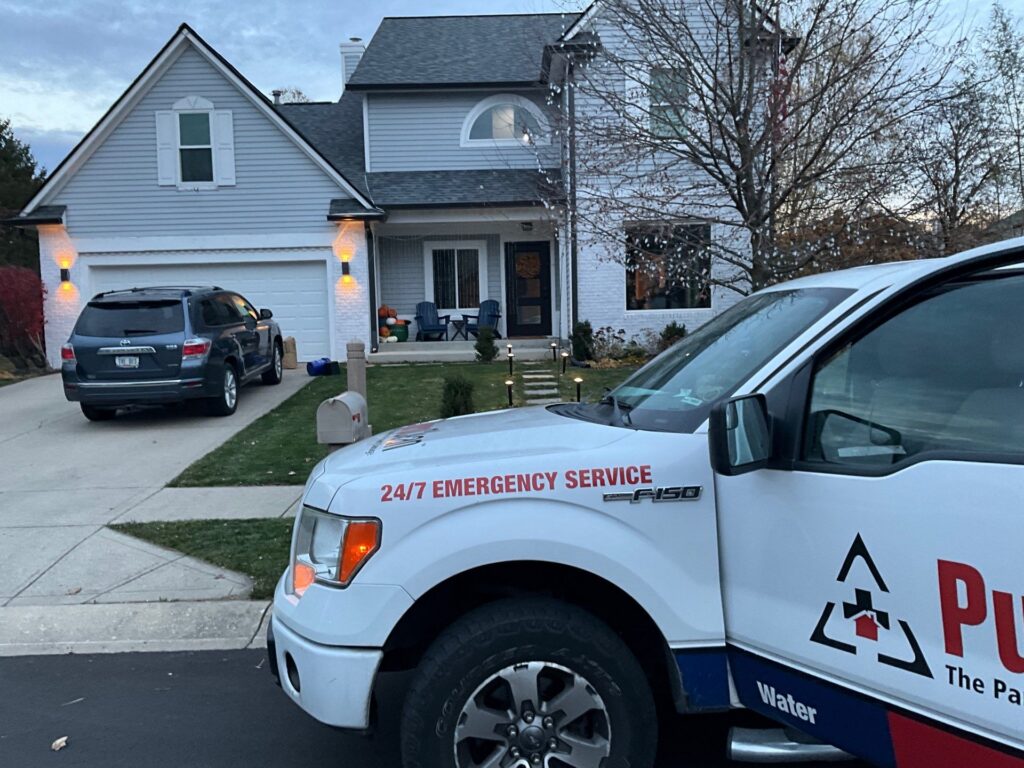
If your roof was exposed to a significant ice event and you recognize any of the warning signs in this guide, do not delay. Call PuroClean Disaster Restoration at (317) 467-4436. They serve Greenfield, Indianapolis, and the surrounding communities with 24/7 emergency response and the technical expertise to find what the ice left behind.


