 PuroClean of South Atlanta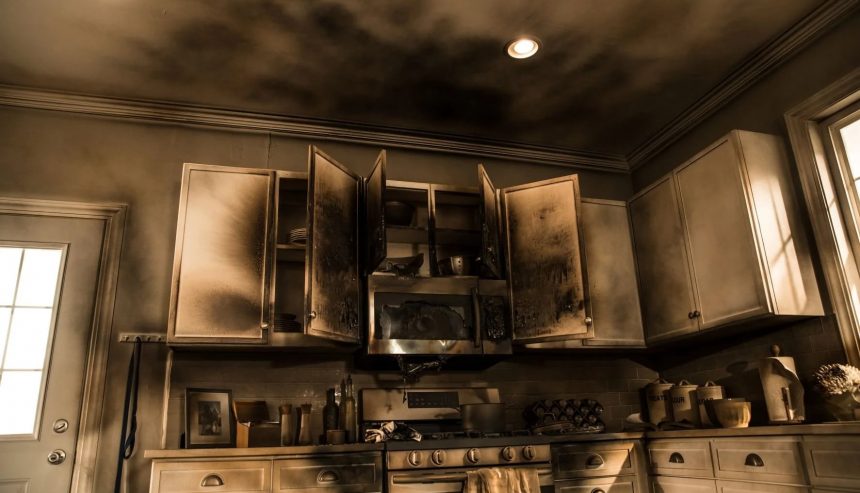
Fire Damage Continues Long After the Flames Are Gone
When a fire is extinguished, many homeowners believe the worst is over. In reality, fire damage often continues affecting the property well after the flames are gone. Smoke residue settles throughout the structure, soot clings to surfaces, and water used during firefighting saturates building materials. In McDonough and Stockbridge homes, these combined factors can impact every level of the property.
Fire damage restoration focuses on addressing the full scope of damage rather than just visible burn areas. Without a coordinated approach, hidden damage remains active and continues degrading materials over time.
Smoke Travels Beyond the Area of Origin
Smoke is highly mobile and spreads quickly through doorways, wall cavities, and HVAC systems. Even rooms far from the fire’s source can be affected by smoke particles. These particles settle into fabrics, insulation, and porous materials, often causing persistent odors and surface discoloration.
Fire damage restoration involves identifying how far smoke has traveled and applying specialized cleaning methods to remove residue without spreading contamination further.
Soot Causes Ongoing Surface Deterioration
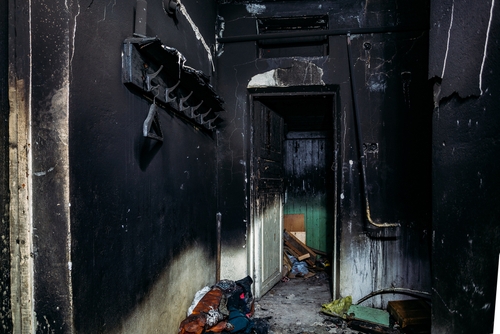
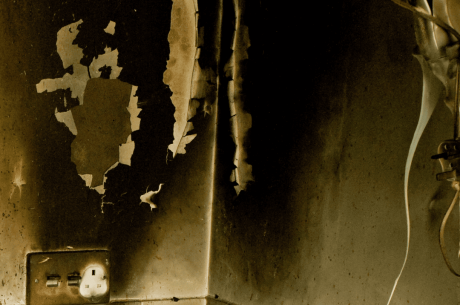
Soot produced during a fire is acidic and begins damaging surfaces almost immediately. Painted walls, flooring, metal fixtures, and electronics are especially vulnerable. Without proper removal, soot can permanently stain materials and accelerate corrosion.
Fire damage restoration includes evaluating the type of soot present and using appropriate cleaning techniques. Proper handling prevents soot from being driven deeper into materials during cleanup.
Water Used to Extinguish the Fire Creates Additional Damage
Firefighting efforts introduce large amounts of water into the structure. Floors, drywall, insulation, and framing absorb moisture quickly. In South Atlanta’s climate, trapped moisture can linger and lead to secondary damage if not addressed promptly.
Fire damage restoration often includes water extraction and controlled drying to stabilize affected areas. Addressing moisture early helps prevent additional issues such as warping, material failure, and microbial growth.
Heat Exposure Can Compromise Structural Safety
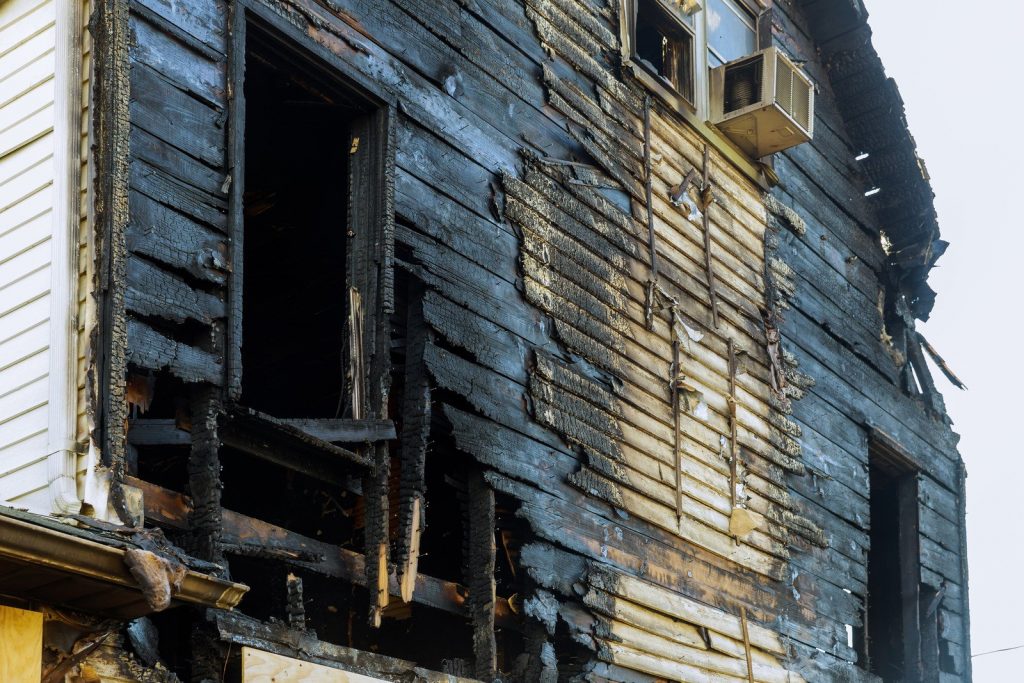
High temperatures generated during a fire can weaken structural components even if they were not directly burned. Wood framing may lose strength, fasteners can loosen, and electrical wiring insulation may become brittle. These issues are not always visible but can affect long term safety.
Fire damage restoration includes assessing heat affected materials to determine whether they remain structurally sound. Addressing these concerns early helps ensure repairs are completed safely.
Comprehensive Restoration Supports a Safer Recovery
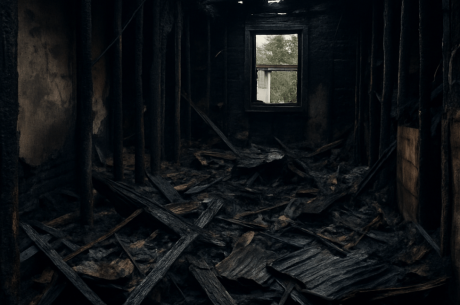
Fire damage affects multiple systems within a home, and restoring the property requires addressing smoke, soot, water, and heat damage together. Focusing on only one aspect often leads to lingering odors, incomplete repairs, and future complications.
For property owners in McDonough, Stockbridge, and surrounding South Atlanta communities, understanding the full scope of fire damage restoration helps guide recovery decisions. If fire, smoke, or water has impacted your property and there are questions about the next steps, you can contact us to review the situation, evaluate the extent of damage, and determine the most effective path toward restoring a safe living environment.
 PuroClean of South Atlanta