 PuroClean of South Atlanta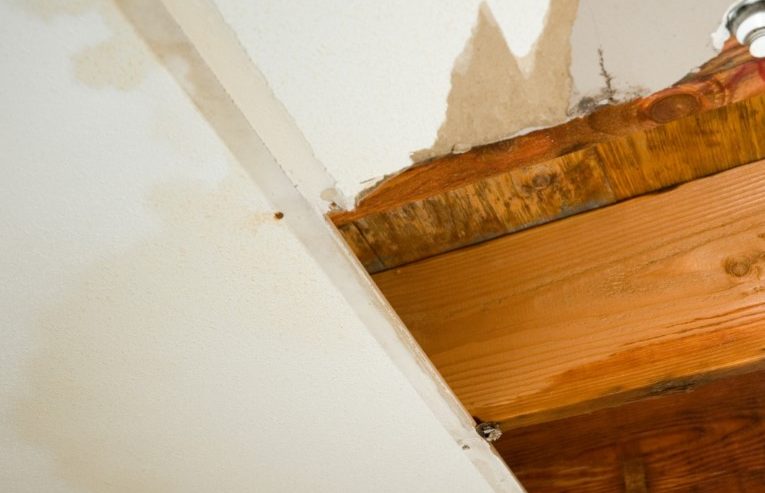
Storms in South Atlanta: A Growing Concern
South Atlanta is no stranger to heavy rains and flash flooding. With warm, humid summers and unpredictable storm seasons, water intrusion is a constant risk. Even if your property has never flooded before, sudden downpours can overwhelm drainage systems, leak through roofs, and seep into basements.
What makes storm-related water damage particularly dangerous is how quickly it escalates. Within hours, water seeps into walls and flooring; within days, mold begins to grow. Understanding these risks and knowing how to respond, can help homeowners avoid costly repairs.
Common Ways Flooding Affects South Atlanta Homes
Roof Leaks and Attic Damage
Heavy rainfall combined with high winds can lift shingles and force water through even the smallest gaps. Once inside, water damages insulation and ceiling materials, often going unnoticed until stains appear.
Basement and Foundation Seepage
South Atlanta’s clay soils hold water, increasing pressure against foundation walls during storms. Cracks or weak points allow water to seep into basements, leading to flooding and long-term structural issues.
Drainage Overload
Neighborhood storm drains often back up during downpours. When they overflow, yards and driveways flood, sending water toward homes. Poor grading or clogged gutters only make matters worse.
Interior Flooding from Plumbing Failures
Sometimes heavy storms coincide with power outages or pressure changes that stress plumbing systems, causing burst pipes or sewage backups.
The Hidden Dangers of Post-Flood Damage
Stormwater damage doesn’t end when the rain stops.
- Mold Growth: Mold spores develop within 24–48 hours in damp conditions.
- Electrical Hazards: Waterlogged outlets and wiring create fire risks.
- Structural Weakening: Prolonged exposure weakens wooden supports and drywall.
- Contaminants: Floodwaters may contain sewage, chemicals, or bacteria, turning a cleanup into a biohazard situation.
What seems like minor water intrusion can evolve into a major restoration project if left unaddressed.
Proactive Steps Homeowners Can Take
1. Maintain Gutters and Downspouts
Keep gutters clear of leaves and debris to allow proper drainage. Extend downspouts at least six feet from the foundation to move water away from your home.
2. Inspect Your Roof Regularly
Check for missing shingles, cracked flashing, or damaged vents especially before storm season. Small repairs prevent big leaks.
3. Improve Yard Drainage
Ensure your yard slopes away from the house. Consider installing French drains or sump pumps in areas prone to flooding.
4. Seal Foundation Cracks
Even hairline cracks allow water to seep into basements. Professional sealing and waterproof coatings reduce risk.
5. Install a Backup Sump Pump
During power outages, sump pumps may fail. A battery-operated or water-powered backup keeps basements protected.
What to Do Immediately After Flooding
If your South Atlanta home floods, quick action makes all the difference.
- Ensure Safety First: Turn off electricity if water is present near outlets.
- Stop the Source: If the flooding is from plumbing, shut off your main water supply.
- Document the Damage: Take photos and videos for insurance claims.
- Call Restoration Professionals: The sooner experts arrive, the more damage they can prevent.
- Avoid DIY Cleanup: Stormwater often carries contaminants, let trained technicians handle the hazards.
The Restoration Process Explained
Professional water damage restoration goes far beyond pumping out water.
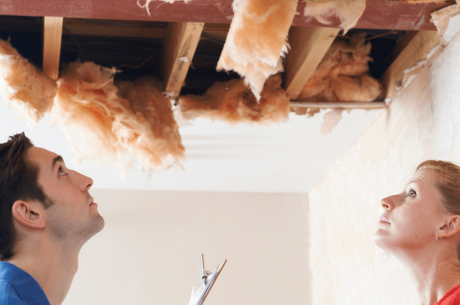
- Assessment: Technicians evaluate visible and hidden damage.
- Water Extraction: Industrial pumps and vacuums remove standing water quickly.
- Drying and Dehumidification: Specialized equipment eliminates moisture from walls, floors, and air.
- Sanitizing and Cleaning: Disinfectants kill bacteria and mold spores.
- Repairs and Restoration: Damaged drywall, flooring, or roofing is repaired or replaced.
This process ensures the home is safe, dry, and structurally sound.
Why DIY Isn’t Enough for Storm Damage
While it may be tempting to tackle flooding with shop vacuums or household fans, these methods rarely remove all the moisture. Hidden water inside walls, insulation, and crawl spaces will continue causing damage.
Professional restoration companies bring:
- Advanced drying technology
- Certified technicians trained in mold prevention
- Safety gear for handling contaminated water
- Insurance claim support to ease recovery
DIY cleanup often leads to recurring problems and higher costs down the road.
How PuroClean of South Atlanta Helps
At PuroClean of South Atlanta, we specialize in storm and flood damage restoration. Our local team understands the unique risks of heavy rains in the area and responds quickly to protect your property.
Our services include:
- 24/7 emergency water restoration
- Water extraction and drying
- Mold prevention and remediation
- Structural repairs and reconstruction
- Insurance coordination for smoother claims
We don’t just restore homes, we restore peace of mind.
Protecting Your South Atlanta Home
Heavy rains and flooding are part of life in South Atlanta, but damage doesn’t have to be. With proactive maintenance and a trusted restoration partner, homeowners can weather the storms and protect their families.
If your home suffers storm-related water damage, contact PuroClean of South Atlanta immediately. Our experts are on call 24/7 to provide fast, professional restoration.

 PuroClean of South Atlanta