


Water Damage Often Develops Gradually Before It Becomes Obvious
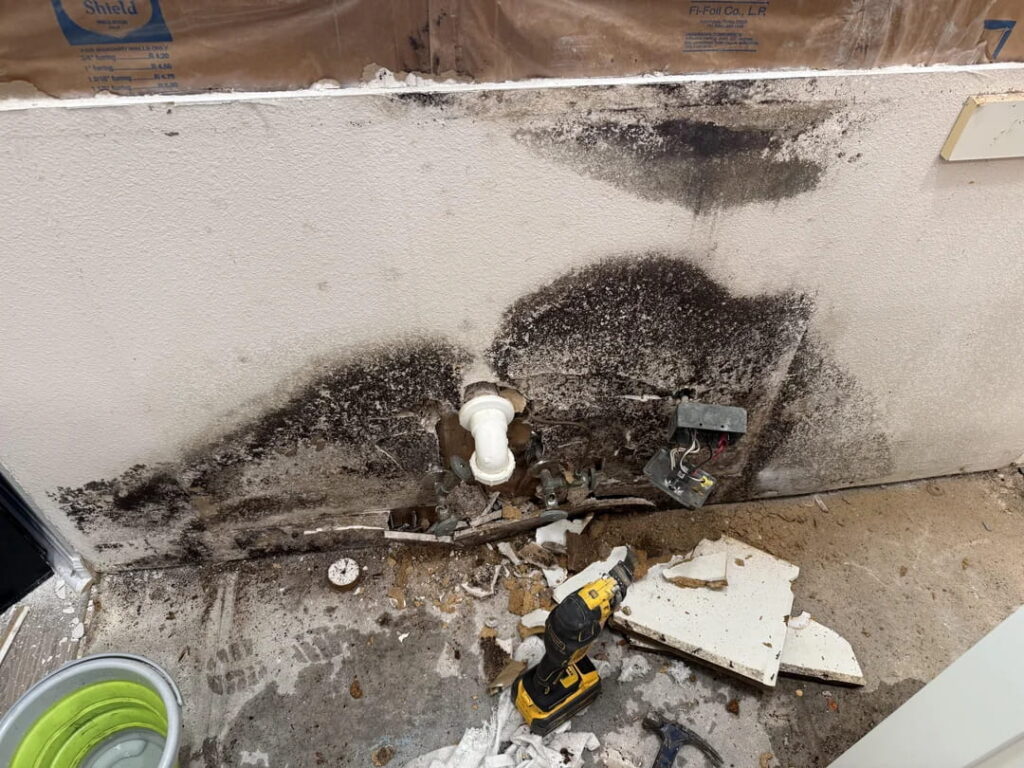
Not all water damage begins with a dramatic event. In many South Atlanta homes, water intrusion develops slowly through small plumbing leaks, worn seals, or aging supply lines. These issues often go unnoticed because moisture spreads quietly behind walls, beneath flooring, and inside cabinetry. By the time visible signs appear, damage may already be widespread.
Water damage restoration focuses on identifying and addressing these hidden problems before they escalate further. In areas like Hapeville and Union City, older plumbing systems and slab foundations can allow moisture to travel long distances before being detected.
Plumbing Leaks Are a Common Source of Ongoing Damage
Slow plumbing leaks are one of the most frequent causes of water damage in South Atlanta homes. Pipes beneath sinks, behind toilets, and inside walls may drip for weeks or months before homeowners notice any change. During this time, moisture continues soaking into surrounding materials.
Water damage restoration evaluates how far water has traveled from the original leak. Addressing only the visible damage often leaves moisture trapped inside the structure, allowing deterioration to continue after repairs appear complete.
Slab Foundations Allow Water to Spread Beneath Flooring
Many homes in Hapeville and South Fulton are built on slab foundations. While slabs provide stability, they also create challenges when water enters the structure. Moisture tends to spread horizontally beneath flooring materials, affecting rooms far from the source.
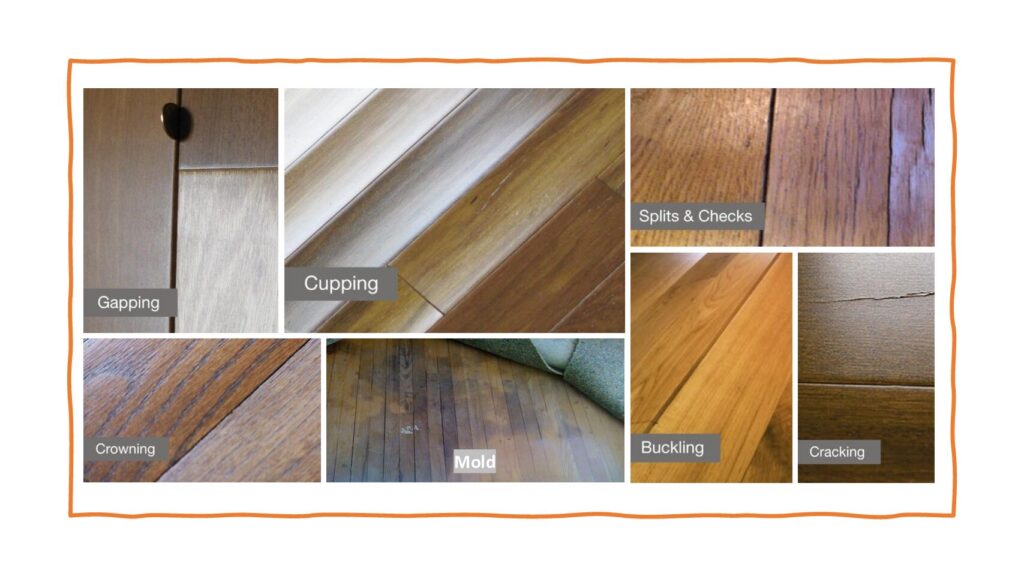
Water damage restoration in slab homes relies on moisture detection tools to locate saturation beneath tile, laminate, and wood flooring. Early detection helps prevent warping, adhesive failure, and the need for extensive flooring removal.

Drying the Structure Requires Controlled Conditions
Allowing a home to dry naturally is rarely effective, especially in humid environments like South Atlanta. Moisture trapped within drywall, framing, and insulation dries slowly and unevenly without proper control. Elevated humidity allows materials to continue absorbing moisture from the air.
Water damage restoration uses controlled drying techniques to stabilize the environment. Dehumidification and targeted airflow help remove moisture efficiently and reduce the risk of secondary damage such as odors and microbial growth.
Untreated Water Damage Leads to Secondary Problems
When water damage is not addressed properly, secondary issues often follow. Mold growth, material deterioration, and structural weakening can develop long after the initial water event. These problems increase repair costs and prolong recovery.
Water damage restoration aims to interrupt this chain reaction by removing moisture completely and monitoring drying progress. Addressing damage early limits disruption and helps preserve the integrity of the home.
Restoration Helps Preserve Property Value
Water damage affects both comfort and long term property value. Even minor damage can escalate if moisture remains active inside the structure. Proper restoration helps maintain the condition of the home and reduces the likelihood of recurring issues.
For homeowners in Hapeville, Union City, and surrounding South Atlanta communities, understanding how water damage restoration works makes it easier to respond confidently when moisture issues arise. If water intrusion has occurred and there is uncertainty about the extent of damage, you can contact us to evaluate the situation, determine the scope of restoration needed, and prevent further deterioration.