


Stormwater intrusion in garages is not just an inconvenience—it can destroy valuables, damage vehicles, lead to dangerous mold growth, and even weaken your home’s foundation. This blog will explore why garages in Hempstead are especially vulnerable, the dangers of ignoring water intrusion, and the best ways to protect your garage from costly water damage.
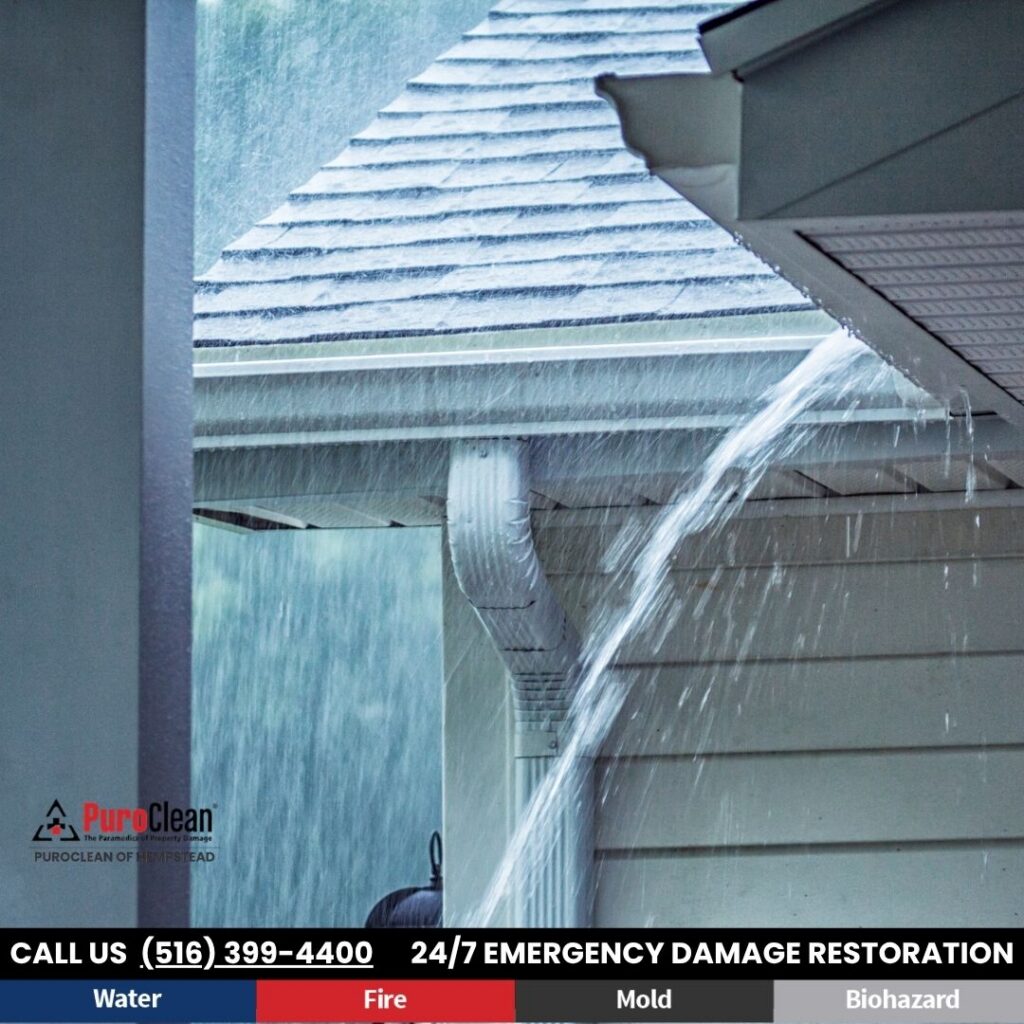
When most people think about water damage, they picture flooded basements, leaky roofs, or broken pipes in bathrooms. But one of the most overlooked—and most vulnerable—parts of the home is the garage.
For Hempstead homeowners, the garage often serves more than one purpose. Yes, it’s a place to park vehicles, but it’s also a storage area for tools, seasonal decorations, outdoor equipment, and sometimes even an entryway into the house. When storms roll through Long Island, Hempstead residents know how quickly heavy rainfall, clogged drains, or hurricane remnants can overwhelm drainage systems. And when that happens, the garage is often the first place to take on water.
Table of Contents
Why Garages in Hempstead Are Prone to Stormwater Intrusion
1. Ground-Level Design
Most garages sit at or below ground level. Hempstead, with its relatively flat terrain, can see significant pooling of water after storms. Rainwater naturally flows to the lowest point—often right into the garage.
2. Wide Garage Door Openings
Garage doors have long seams, rubber thresholds that wear out, and a low barrier against water. During heavy storms or flooding, water easily seeps in beneath or around the door.
3. Porous Concrete Floors
Many Hempstead garages are built with basic concrete flooring, which absorbs moisture. Over time, water intrusion can seep in through cracks and even wick upward, creating hidden dampness that goes unnoticed until damage is severe.
4. Local Weather Risks
Hempstead experiences year-round storm threats:
- Spring & Summer – Heavy thunderstorms that overwhelm drains.
- Late Summer & Fall – Hurricane and tropical storm remnants bring heavy rainfall.
- Winter – Melting snow combined with rain causes runoff.
Each season poses a different risk of water intrusion in garages.
5. Improper Drainage Systems
Driveways sloping toward the garage, clogged gutters, or insufficient storm drains are common issues in Hempstead homes. These factors can cause water to flow directly into garages during storms.
The Hidden Dangers of Stormwater in Garages
Water intrusion in a garage isn’t just about puddles after a storm—it’s a serious risk for your property and health.
- Damage to Stored Items – Cardboard boxes, furniture, electronics, or holiday decorations stored on the floor are often ruined.
- Vehicle Issues – Standing water can corrode parts, damage brakes, and short out electrical systems in cars.
- Mold Growth – Garages often lack proper ventilation. Add stormwater intrusion, and you have the perfect environment for mold growth within 24–48 hours.
- Foundation Cracks – Prolonged water seepage can weaken the structural integrity of your garage and, by extension, your home.
- Electrical Hazards – Garages often contain outlets, appliances, or wiring close to the ground. Stormwater exposure can cause shorts or even fire hazards.
- Slip-and-Fall Risks – Wet concrete surfaces are slick and dangerous, especially if family members or pets use the garage regularly.
Warning Signs of Stormwater Intrusion in Hempstead Garages
Hempstead homeowners should stay vigilant for early signs of garage water damage:
- Puddles or Water Trails after storms near the garage entrance
- Discoloration or Stains on floors and walls
- Musty or Damp Odors (a strong indicator of hidden mold)
- White Powdery Residue (efflorescence) on concrete
- Rust on bikes, tools, or shelving
- Visible Mold Growth on walls, baseboards, or stored items
- Cracks in Concrete Flooring or Walls widening over time
Catching these signs early can prevent thousands of dollars in restoration costs later.
Preventing Stormwater Intrusion in Hempstead Garages
1. Improve Outdoor Drainage
- Grade your driveway so water flows away from the garage.
- Install trench or channel drains at the garage entrance.
- Extend gutters and downspouts 6–10 feet away from the foundation.
- Keep storm drains near your Hempstead property clear of leaves and debris.
2. Seal and Waterproof
- Repair floor and wall cracks with hydraulic cement or epoxy.
- Apply waterproof coatings or sealants to garage flooring.
- Replace worn or cracked weatherstripping around the garage door.
3. Upgrade Garage Doors
- Choose insulated, water-resistant garage doors with advanced sealing systems.
- Install a rubber threshold barrier beneath the garage door.
- For flood-prone Hempstead neighborhoods, consider flood-resistant barriers or shields.
4. Install a Sump Pump (When Necessary)
For garages below grade or in high-risk flood areas, sump pumps provide reliable protection against stormwater buildup.
5. Protect Your Belongings
- Use shelving units to keep boxes and tools off the ground.
- Store items in waterproof plastic containers, not cardboard.
- Elevate appliances like freezers or washers if located in the garage.
6. Regular Maintenance
- Inspect garage floors and walls twice yearly for cracks.
- Clean gutters before Hempstead’s storm-heavy seasons.
- Test sump pumps annually.
- Check mold-prone areas regularly, especially in humid months.
Real-Life Example: Hempstead Homeowner’s Garage Flood
In September 2023, after a sudden storm, a Hempstead resident experienced heavy water intrusion in their garage. Rainwater poured down the driveway and seeped beneath the garage door. Stored furniture, bicycles, and seasonal decorations were ruined, and mold began forming within days.
PuroClean of Hempstead responded quickly by:
- Extracting standing water using industrial pumps
- Deploying air movers and dehumidifiers to dry the space
- Sanitizing and treating affected surfaces to prevent mold
- Advising the homeowner to install a trench drain and replace garage door seals
The homeowner’s garage was restored in days, and preventive measures were put in place to stop future damage.
What to Do If Your Garage Floods
- Stay Safe – Avoid standing water if outlets or wiring are present.
- Protect Valuables – Move cars, tools, and belongings to higher ground.
- Document the Damage – Take photos for insurance claims.
- Call a Professional – Contact PuroClean of Hempstead for immediate water extraction and drying.
- Prevent Mold – Begin drying within 24 hours to stop mold growth.
Insurance and Garage Stormwater Damage in Hempstead
- Homeowners’ Insurance typically doesn’t cover stormwater flooding.
- Flood Insurance may be required for coverage, especially in flood-prone Hempstead zones.
- Document Everything – Photos, videos, and professional assessments improve your chance of claims approval.
FAQs – Garage Stormwater Protection
1. Can I waterproof my Hempstead garage myself?
Yes, sealing cracks and applying waterproof coatings can help, but recurring water issues often require professional drainage solutions.
2. How fast can mold grow after garage flooding?
Mold can begin spreading within 24–48 hours in a damp, poorly ventilated garage.
3. Will insurance cover my garage flooding?
Not always. Standard insurance rarely covers stormwater flooding—you may need a flood policy.
4. Should I install a sump pump in my garage?
Yes, if your garage is below grade or frequently floods.
5. How often should I inspect my garage for water intrusion?
At least twice a year, especially before spring storms and hurricane season in Hempstead.
Conclusion
Your garage may not be the first thing you think about when it comes to water damage, but it is one of the most vulnerable spaces in your home. With Hempstead’s unpredictable storms and seasonal flooding, stormwater intrusion in garages is a serious risk that every homeowner should prepare for.
By improving drainage, sealing cracks, upgrading garage doors, and storing items properly, you can greatly reduce your risk. But when water does get in, fast action is critical. Professional restoration ensures your garage is dried, sanitized, and protected from future mold growth and structural issues.
At PuroClean of Hempstead, we understand the unique water damage challenges Hempstead homeowners face. Our certified team is available 24/7 to respond to emergencies, restore your property, and give you peace of mind.
📞 Call PuroClean of Hempstead at (516) 399-4400 today for expert stormwater intrusion cleanup and prevention.


