 PuroClean of Hempstead
Basements often serve as storage spaces, laundry rooms, or even extra living areas. But because they sit below ground, basements are uniquely vulnerable to moisture and water damage. Whether from heavy rain, poor drainage, plumbing leaks, or foundation cracks, excess water often finds its way into this space.
When that happens, one problem almost always follows: mold growth.
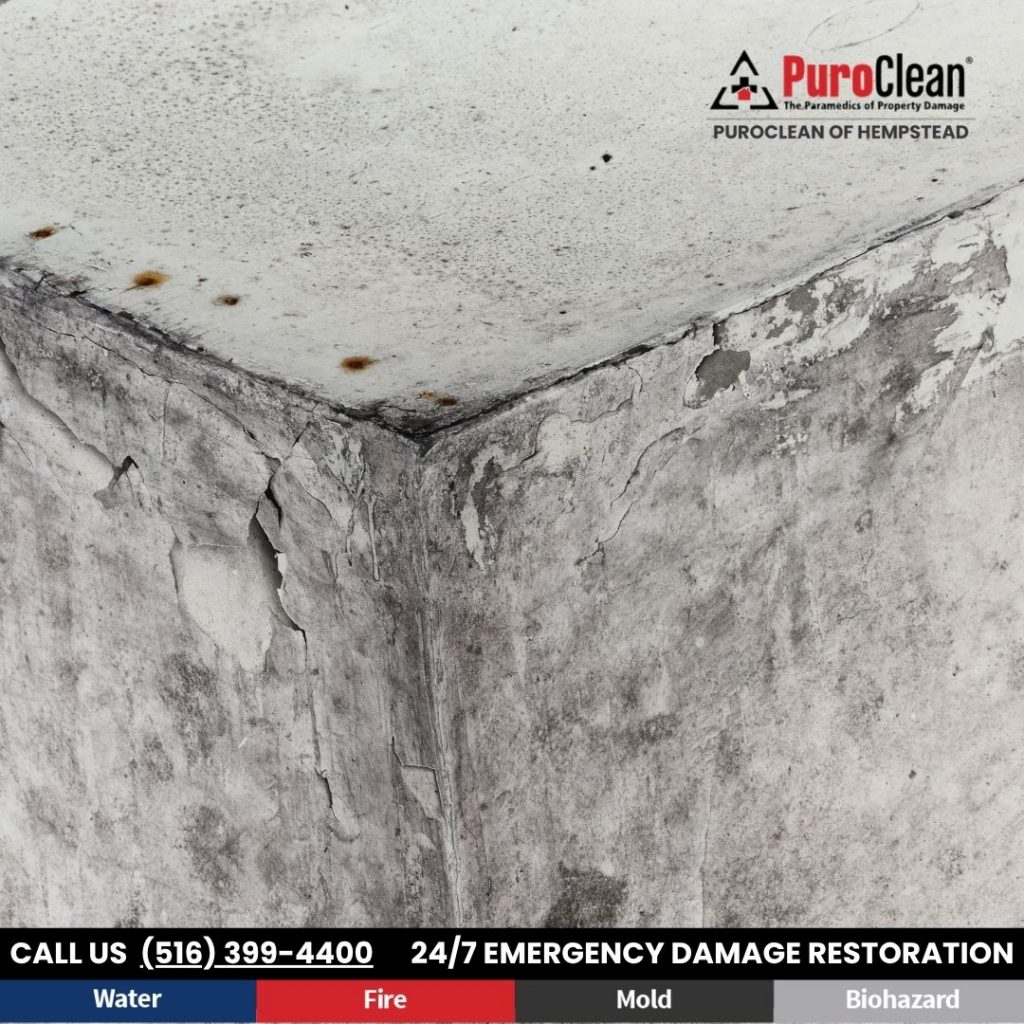
Mold is more than just a cosmetic issue — it’s a health hazard, a property risk, and a problem that worsens over time. Wet basements provide the perfect environment for mold spores to thrive: dark, damp, and often poorly ventilated. For many homeowners, the first signs are a musty odor or discoloration on walls, but by then, mold growth has often spread further than you can see.
In this guide, we’ll cover everything you need to know about mold in wet basements: what causes it, why it’s dangerous, how to prevent it, and when to call the professionals.
Table of Contents
Why Basements Are Especially Prone to Mold Growth.
Unlike other parts of the home, basements have several risk factors working against them:
- Below-Ground Location
Basements sit below the water table, making them vulnerable to seepage from soil and groundwater. After storms, water naturally moves toward foundation walls. - Poor Ventilation
Many basements lack proper airflow, creating stagnant, humid conditions that mold thrives in. - Unfinished Surfaces
Exposed concrete, porous drywall, and wood framing absorb and trap moisture, creating the perfect breeding ground for mold colonies. - High Humidity
Without dehumidifiers, basements often remain humid year-round, even if no major leaks occur. - Hidden Leaks
Water heaters, washing machines, sump pumps, and plumbing pipes often run through basements. Even small leaks add up over time and promote mold growth.
Common Causes of Wet Basements in Hempstead
Foundation Cracks
Over time, concrete foundations develop cracks. These allow rainwater or groundwater to seep directly into the basement. Even hairline cracks can let in enough moisture to sustain mold.
Faulty Gutters and Drainage
When gutters are clogged or downspouts don’t extend far enough, rainwater pools around the foundation. Eventually, it seeps through walls into the basement.
Plumbing Leaks
Pipes in basements often go unnoticed when they leak. A slow drip behind drywall can saturate insulation and flooring, creating hidden mold growth.
Flooding and Storms
During heavy rains, stormwater can overwhelm sump pumps or drainage systems. Standing water left behind becomes a breeding ground for mold.
Condensation
In humid climates, cool basement surfaces (like concrete or metal pipes) attract condensation. This invisible moisture creates damp conditions that encourage mold colonies.
How to Recognize Mold Growth in Your Hempstead Basement
Mold isn’t always obvious, especially in unfinished basements. Homeowners should watch for these warning signs:
- Persistent Musty Odor – A damp, earthy smell is often the first indicator.
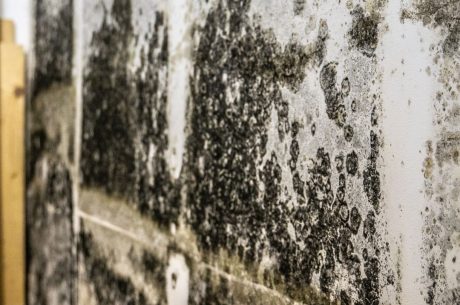
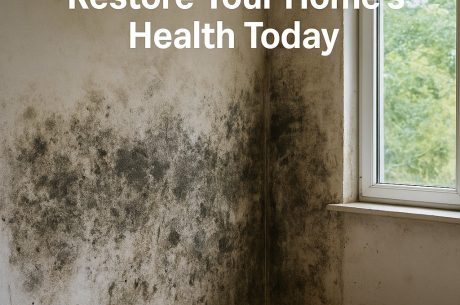
- Visible Growth – Black, green, or white patches on walls, ceilings, or stored items.
- Peeling Paint or Wallpaper – Moisture pushes paint away from surfaces, often exposing hidden mold.
- Water Stains – Brown or yellow discoloration signals ongoing leaks.
- Allergy Flare-Ups – Sneezing, coughing, or itchy eyes that worsen when you spend time in the basement.
- Condensation on Windows and Pipes – A sign of excess humidity and potential mold-friendly conditions.
The Dangers of Mold Growth in Wet Basements
Health Risks
Mold spores are airborne, meaning they spread easily throughout your home. Even if mold is contained in the basement, it can affect your indoor air quality.
- Respiratory Issues: Wheezing, coughing, or asthma flare-ups.
- Allergic Reactions: Runny nose, itchy eyes, rashes, or sinus infections.
- Immune Concerns: For children, elderly family members, or those with compromised immune systems, mold exposure can lead to serious complications.
- Toxic Mold Risks: Certain types, like Stachybotrys chartarum (black mold), produce mycotoxins that may cause neurological symptoms with prolonged exposure.
Structural Risks
Mold doesn’t just sit on the surface — it feeds on organic materials like wood, drywall, and paper.
- Wood Rot: Joists, beams, and framing may weaken over time.
- Drywall Damage: Mold eats away at drywall, leaving soft, crumbling walls.
- Foundation Concerns: Persistent water intrusion damages concrete, leading to structural instability.
- Decreased Property Value: A history of mold makes homes harder to sell and can require costly remediation before closing.
How to Prevent Mold Growth in Wet Basements
1. Control Humidity Levels
- Keep indoor humidity below 50%.
- Use dehumidifiers year-round, especially in summer.
- Ventilate laundry areas and bathrooms in the basement.
2. Improve Drainage
- Clean gutters regularly to prevent overflow.
- Extend downspouts at least 6 feet from your foundation.
- Install a French drain or perimeter drain system if flooding is frequent.
3. Seal Foundation and Walls
- Apply waterproof coatings on interior walls.
- Hire professionals to repair significant foundation cracks.
4. Maintain Plumbing and Appliances
- Inspect water heaters and washing machines regularly.
- Replace supply hoses with steel-braided lines for added durability.
5. Choose Mold-Resistant Materials
- If finishing your basement, use mold-resistant drywall and insulation.
- Avoid carpeting — instead, choose vinyl or sealed concrete flooring.
The Role of Professional Mold Remediation
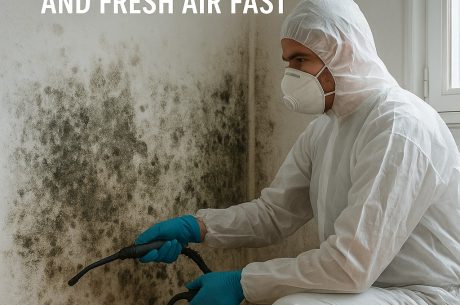
While prevention helps, sometimes mold still appears. Here’s why professional remediation is critical:
- Thorough Inspection
Specialists use moisture meters and infrared cameras to detect hidden water and mold colonies behind walls or under floors. - Containment
Professionals isolate the contaminated area to stop spores from spreading. - Air Filtration
HEPA air scrubbers and vacuums capture airborne mold spores. - Safe Removal
Contaminated materials like carpet or drywall are carefully removed and disposed of. - Sanitization
Surfaces are cleaned with antimicrobial solutions to eliminate remaining spores. - Drying & Dehumidification
Industrial air movers and dehumidifiers ensure the basement is completely dry. - Restoration
Any damaged structures are repaired or replaced, restoring your basement to a safe, usable condition.
Case Study: How a Small Leak Became a Big Problem
One Hempstead homeowner noticed a musty smell in the basement but ignored it, assuming it was just humidity. Months later, black streaks appeared on the walls, and family members developed allergy symptoms.
A professional inspection revealed a slow pipe leak behind the drywall. The damage had spread to insulation and flooring. The repair required full mold remediation, drywall replacement, and plumbing repair.
Lesson: Even small leaks can become major issues when ignored.
When to Call Professionals
Contact a mold remediation company if:
- The affected area is larger than 10 square feet.
- Mold keeps returning after cleaning.
- Family members have unexplained allergy or respiratory symptoms.
- You notice mold inside HVAC ducts or air vents.
- Water damage has been left untreated for more than 48 hours.
FAQs: Mold Growth in Wet Basements
1. Can I clean basement mold myself?
Small surface mold (less than 10 sq. ft.) can sometimes be cleaned with bleach or vinegar, but widespread mold requires professional remediation.
2. How fast does mold grow after water damage?
Mold can begin forming within 24–48 hours in damp environments.
3. Does a dehumidifier stop mold completely?
No, but it reduces the moisture mold needs to thrive. It’s an essential part of prevention.
4. Is mold covered by insurance?
Policies vary. Typically, mold caused by sudden water damage (like a burst pipe) may be covered, but long-term neglect often isn’t.
5. How do professionals test for hidden mold?
Technicians use moisture meters, infrared cameras, and air quality testing to detect mold you can’t see.
Conclusion: Protect Your Basement, Protect Your Home
Mold growth in wet basements is one of the most common — and most dangerous — problems homeowners face. It thrives in dark, damp, and neglected spaces, spreading silently until it affects your health and your home’s structure.
The good news? Mold prevention is possible with proper drainage, humidity control, and routine inspections. And if mold does appear, professional remediation ensures it’s eliminated safely and thoroughly.
👉 Don’t wait until a musty smell becomes a full-blown problem. If you suspect mold in your basement, call a trusted restoration company like PuroClean for inspection and remediation. Protecting your basement today protects your entire home tomorrow.
 PuroClean of Hempstead