 PuroClean of Hempstead
If you live in Hempstead or other parts of Long Island, you may have noticed something strange in your home—walls sweat. Tiny droplets form on the surface, leaving streaks or damp patches that just don’t seem to go away. While it may look harmless at first, sweating walls can be a warning sign of a much bigger problem.
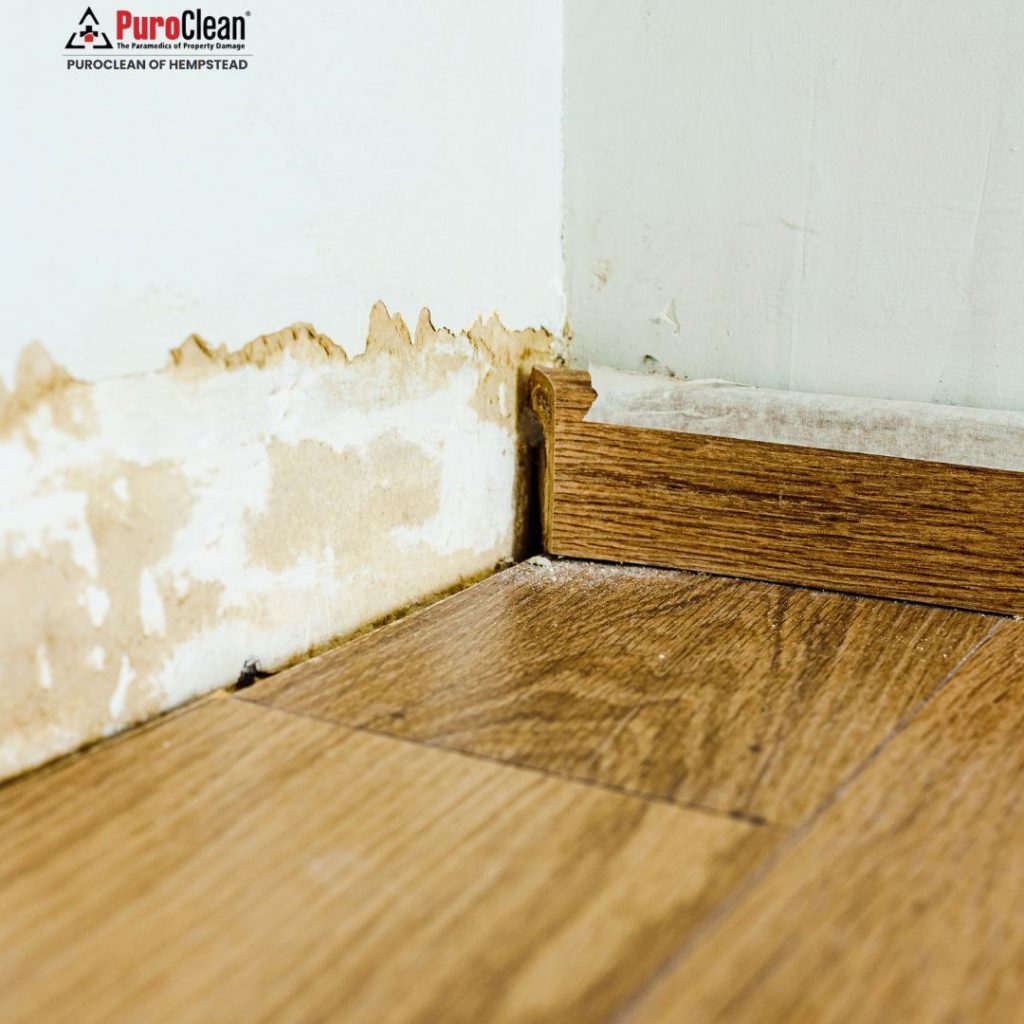
In Nassau County, where humid summers, stormy falls, and chilly winters all play a role in indoor air quality, this issue is more common than you might think. Homeowners here often deal with condensation, water intrusion, and mold growth because of our unique climate and proximity to the coast.
So, why do walls sweat? The quick answer is condensation, but there’s more to it than that. In this blog, we’ll break down the causes of sweating walls in Hempstead homes, the risks you should watch out for, and the steps you can take to fix and prevent the problem.
Table of Contents
What Does “Sweating Walls” Mean?
When we say walls are “sweating,” we’re really talking about moisture condensation forming on the surface.
- It’s most noticeable in bathrooms, basements, and kitchens where steam and moisture levels are higher.
- In older Hempstead homes with plaster walls or poor insulation, it can happen more often.
- Sometimes, it may even point to a hidden water leak behind the wall.
Think of it like a cold drink glass on a hot Long Island summer day—the outside of the glass gets wet as warm, humid air hits the cold surface. Your walls can react the same way.
Why Do Walls Sweat in Hempstead Homes?
There are several reasons walls in Hempstead homes “sweat.” Let’s look at the main culprits:
1. Condensation from Hempstead’s Humid Summers
Summers on Long Island are known for being hot and sticky. When warm, humid indoor air meets cooler wall surfaces, condensation forms.
- Running air conditioners can sometimes make walls colder, leading to moisture buildup.
- Bathrooms and basements in Hempstead homes are the biggest problem areas.
2. Poor Insulation in Older Homes
Many homes in Hempstead, especially older Cape Cods, colonials, or multi-family houses, were built with minimal insulation.
- Cold winters make exterior walls frigid.
- When homeowners turn up the heat, the warm air indoors collides with the cold wall surface, causing condensation.
- Poor insulation also raises energy bills, something many Nassau County residents already know too well.
3. Indoor Moisture from Everyday Activities
Living in Hempstead means sometimes drying clothes indoors during rainy fall days or keeping the windows shut tight in winter. Everyday routines increase indoor humidity:
- Hot showers without proper bathroom ventilation.
- Cooking large meals in closed kitchens.
- Drying laundry inside during winter.
Over time, this excess moisture has nowhere to escape, so it condenses on walls.
4. Hidden Water Leaks or Storm Damage
Because Hempstead is so close to the coast, heavy rainstorms and even tropical systems can cause water intrusion. Sometimes sweating walls aren’t just condensation—they’re a symptom of hidden leaks.
- A cracked pipe inside the wall.
- Groundwater seeping into basements.
- Stormwater intrusion after heavy rains or nor’easters.
These situations require immediate professional help.
Risks of Sweating Walls in Hempstead
Leaving sweating walls untreated can cause serious problems for homeowners in Hempstead and Nassau County:
1. Mold Growth
Long Island’s humid environment makes mold a common issue. Damp walls create the perfect breeding ground.
- Mold often spreads in basements, attics, and bathrooms.
- Hempstead families with allergies or asthma are especially at risk.
2. Damage to Paint, Wallpaper, and Finishes
Persistent moisture damages wall finishes.
- Paint begins to peel or bubble.
- Wallpaper glue breaks down and curls at the edges.
- Stains form, leaving an unsightly appearance.
3. Structural Damage
Over time, moisture penetrates deeper.
- Drywall softens and crumbles.
- Wood framing behind the walls can rot.
- Basements already prone to flooding in Hempstead may face serious structural issues.
4. Health Concerns
Moisture affects indoor air quality.
- Mold spores spread through HVAC systems.
- Dampness attracts dust mites.
- A musty smell develops that’s difficult to remove.
How to Prevent Sweating Walls in Hempstead Homes
Prevention is the best approach. Here’s how Hempstead homeowners can reduce or eliminate sweating walls:
1. Improve Ventilation
- Install or upgrade bathroom and kitchen exhaust fans.
- Open windows when weather permits—spring and fall are ideal in Hempstead.
- Use ceiling fans to keep air circulating.
2. Control Indoor Humidity
- Run a dehumidifier in basements and other damp spaces.
- Use your air conditioner wisely—it helps remove moisture from the air.
- Avoid drying clothes indoors if possible.
- Place moisture absorbers in closets or unused rooms.
3. Upgrade Insulation
- Add insulation to exterior walls, especially in older Hempstead houses.
- Consider double-pane windows to reduce cold surface condensation.
- Seal gaps around windows and doors to stop drafts.
4. Stay on Top of Home Maintenance
- Inspect plumbing regularly for leaks.
- Clean and maintain gutters to prevent water seepage into walls.
- Have your roof checked after major Long Island storms.
Solutions for Sweating Walls
Already dealing with damp walls? Here’s what you can do:
Short-Term Fixes
- Wipe walls down regularly to stop mold before it starts.
- Use fans and dehumidifiers daily.
- Apply mold-resistant paints in problem areas like basements and bathrooms.
Long-Term Fixes
- Install vapor barriers in basements to keep groundwater at bay.
- Reinsulate cold walls.
- Invest in a whole-home dehumidifier if your Hempstead home struggles with high humidity year-round.
- Hire professionals to test for hidden moisture behind walls.
When to Call a Professional in Hempstead
Not every case of sweating walls can be solved with a fan or dehumidifier. You should call a water damage restoration professional if:
- Mold is visible on walls or ceilings.
- Paint is peeling or drywall is collapsing.
- You notice a musty odor that won’t go away.
- Moisture keeps returning despite preventive steps.
- Your basement or first floor has water issues after heavy rain.
In Hempstead, experts like PuroClean use tools such as moisture meters, infrared cameras, and thermal imaging to locate hidden leaks and condensation problems. Professional drying and remediation can save your home from costly structural repairs.
Conclusion
Walls don’t actually “sweat,” but the condensation and moisture issues behind the phenomenon can cause real problems for Hempstead homeowners. Between humid summers, chilly winters, and the risk of coastal storms, houses here face unique moisture challenges.
Ignoring sweating walls can lead to mold, peeling paint, higher energy bills, and even structural damage. But with the right combination of ventilation, insulation, humidity control, and professional help, you can keep your home safe and dry.
📌 Call-to-Action for Hempstead Homeowners
Have you noticed your walls sweating or showing signs of moisture? Don’t wait until mold or structural damage sets in. At PuroClean of Hempstead, we specialize in water damage restoration, mold remediation, and moisture control. Our local team understands the unique challenges Hempstead and Long Island homes face, and we’re ready 24/7 to protect your property.
👉 Call (516) 399-4400 today for a professional inspection and expert restoration services.


 PuroClean of Hempstead