 PuroClean of Hempstead
Few things disrupt your day faster than a toilet overflow. It’s messy, stressful, and can quickly escalate into a serious water damage problem if not addressed right away. For Hempstead homeowners, the situation can be even more challenging with a mix of older homes, heavy rainfall seasons, and tree-lined streets that strain sewer lines.
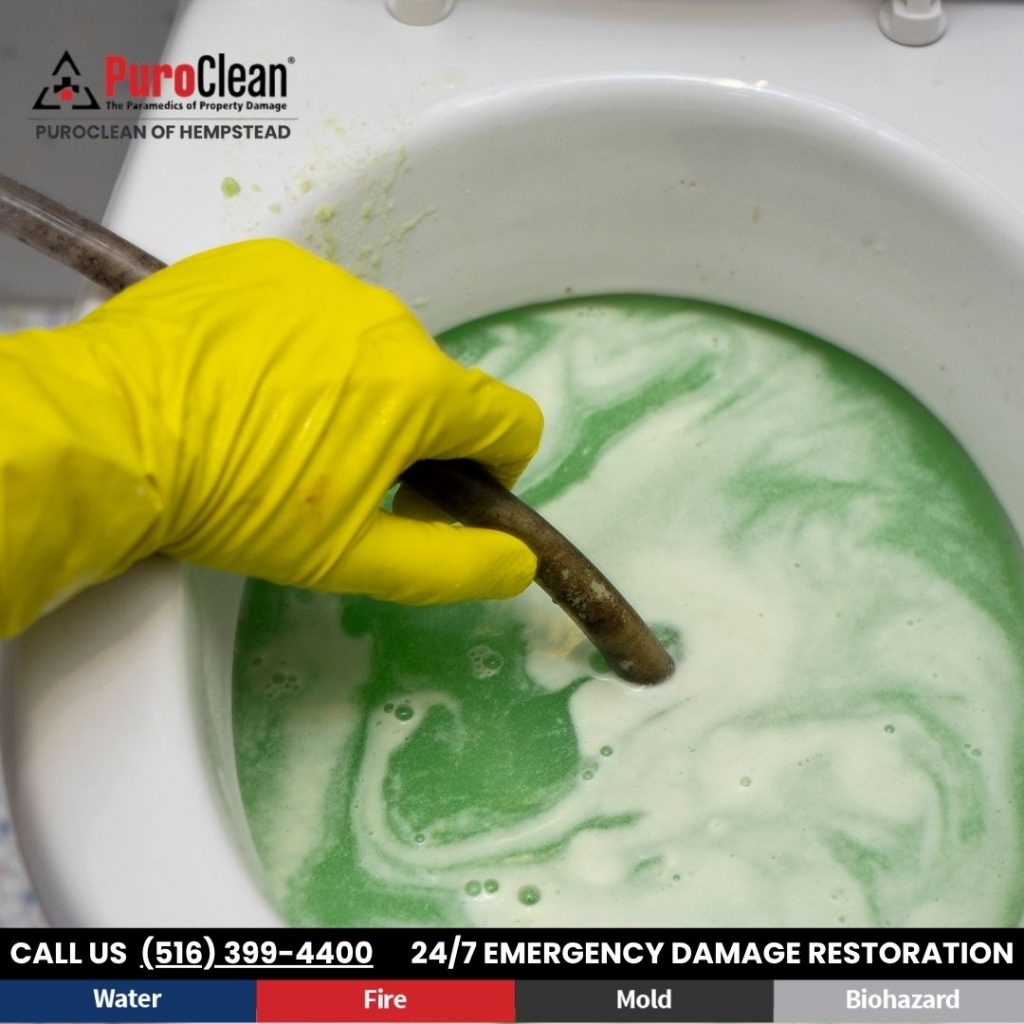
At PuroClean of Hempstead, we’ve seen firsthand how something as small as a clogged toilet can lead to widespread bathroom damage, mold growth, and expensive repairs. In this article, we’ll explore:
- The main causes of toilet overflows in Hempstead
- The dangers of ignoring water from overflows
- Steps to protect your bathroom and home
- When and why to call professionals for help
By the end, you’ll understand why prevention is key and why quick, expert cleanup makes all the difference.
Table of Contents
What Causes Toilet Overflows in Hempstead Homes?
Toilet overflows can happen suddenly, but they’re rarely random. Understanding the underlying causes helps Hempstead homeowners stay prepared.
1. Clogged Toilets
The most common cause of an overflow is a simple clog. Items such as paper towels, baby wipes (even the so-called “flushable” kind), hygiene products, or too much toilet paper create blockages that prevent proper flushing.
- Why it’s worse in Hempstead: Many homes here have older plumbing systems that are narrower and more prone to clogging. Even minor debris can cause big backups.
2. Sewer Line Backups
If your home’s main sewer line is blocked, wastewater has nowhere to go — except back into your home. Causes include:
- Tree roots: Hempstead’s leafy neighborhoods are beautiful, but tree roots often grow into underground sewer lines, creating blockages.
- Grease and debris buildup: Pouring cooking oil or grease down drains leads to hardened blockages.
- Aging pipes: Some Hempstead homes have decades-old sewer systems that are prone to collapse or obstruction.
3. Faulty Float Mechanism
Inside every toilet tank is a float that controls water flow. If it malfunctions, the tank may not shut off, leading to constant filling and eventual overflow.
4. Septic System Problems
While many Hempstead properties connect to the public sewer system, some homes use septic tanks. If a tank becomes full or fails, sewage can back up into the home through toilets and drains.
5. Heavy Rainfall or Flooding
During severe storms, Hempstead’s municipal systems can become overwhelmed. Excess water pushes into sewer lines, sometimes reversing the flow into homes.
The Hidden Dangers of Toilet Overflows
It’s tempting to grab a mop and bucket and move on, but a toilet overflow is not just a nuisance — it’s a serious health and property hazard.
1. Category 3 “Black Water”
Water from toilet overflows is classified as Category 3, the most dangerous type. It may contain:
- Fecal matter and urine
- Bacteria and viruses
- Harsh cleaning chemicals
- Pathogens that can spread illness
Without professional cleanup, your family is at risk of exposure.
2. Structural Damage
Bathroom flooring, especially wood or laminate, absorbs water quickly. Left untreated, this water spreads to subfloors, drywall, and even structural supports. Hempstead’s humid environment only accelerates deterioration.
3. Mold Growth
Mold begins developing within 24–48 hours of water exposure. Bathrooms already have high humidity, making them ideal breeding grounds for mold spores after an overflow.
4. Persistent Odors
Even if you clean the surface, bacteria in porous materials (like grout or drywall) can cause lingering, unpleasant smells.
How to Respond Immediately When a Toilet Overflows
Quick action can make the difference between a minor cleanup and a full-scale restoration project.
Step 1: Shut Off the Water Supply
Locate the shut-off valve behind or near the toilet and turn it clockwise to stop water flow. Every Hempstead homeowner should familiarize themselves with this valve.
Step 2: Remove Excess Water Safely
If water is minimal, use towels to soak it up. For larger amounts or contaminated water, avoid direct contact and wait for professionals.
Step 3: Disinfect Surfaces
Clean the affected area with bleach or disinfectant — but keep in mind that surface cleaning won’t reach hidden moisture.
Step 4: Ventilate the Room
Open windows and doors to allow air circulation, slowing down mold growth.
Step 5: Call Professionals
For Category 3 black water, professional remediation is essential. DIY cleanup risks leaving behind harmful contaminants.
How to Prevent Toilet Overflows in Hempstead
Prevention is the best protection against stressful water damage.
Be Careful What You Flush
Only flush toilet paper. Dispose of wipes, diapers, feminine hygiene products, and paper towels in the trash.
Schedule Routine Plumbing Inspections
Older Hempstead homes especially benefit from annual inspections of sewer lines and plumbing systems.
Install a Backflow Prevention Valve
This device stops sewage from flowing back into your home during heavy rains or sewer backups.
Maintain Septic Systems
If your home uses a septic tank, have it pumped every 3–5 years to avoid overload.
Upgrade Plumbing Fixtures
Modern low-flow toilets and high-quality parts reduce the risk of mechanical failure.
Why Professional Cleanup is Critical in Hempstead
DIY cleanup may seem easier, but toilet overflow water is too dangerous to handle without the right equipment. At PuroClean of Hempstead, we follow a thorough remediation process:
- Assessment: Identifying the source and category of water damage.
- Water Extraction: Using professional pumps and vacuums to remove standing water.
- Sanitization: Applying EPA-approved disinfectants to eliminate bacteria.
- Drying & Dehumidification: Preventing mold with industrial air movers and dehumidifiers.
- Restoration: Repairing and restoring damaged flooring, drywall, or fixtures.
This process ensures that your bathroom is not just cleaned but restored to a safe, healthy condition.
Local Challenges: Why Hempstead Homes Are at Higher Risk
Aging Infrastructure
Many homes in Hempstead date back several decades, with plumbing systems that are more susceptible to leaks and clogs.
Storm Risks
Coastal weather patterns bring heavy rains that can overwhelm municipal systems, leading to higher chances of sewer backups.
Dense Neighborhoods
Shared sewer lines in some Hempstead communities mean one clog can impact multiple households.
Why Hempstead Homeowners Trust PuroClean
At PuroClean of Hempstead, we know how overwhelming water damage can be. That’s why we respond quickly, 24/7, to minimize damage and restore your home. Our certified technicians use advanced equipment to ensure every trace of contaminated water is removed safely.
We don’t just clean — we give you peace of mind.
📞 Call PuroClean of Hempstead at (516) 399-4400 for emergency water damage restoration.
Conclusion: Don’t Let a Toilet Overflow Become a Disaster
Toilet overflows may start small, but without quick action, they can lead to serious water damage, mold growth, and health hazards. For Hempstead homeowners, prevention and preparedness are key — but when the unexpected happens, PuroClean of Hempstead is here to help.
From identifying the cause to restoring your bathroom, our team ensures your home is safe, sanitary, and fully restored.
👉 Don’t wait until it’s too late. If you’re dealing with a toilet overflow or bathroom water damage in Hempstead, call (516) 399-4400 right away.


 PuroClean of Hempstead