


If you’ve been sneezing more than usual, noticed a strange musty odor, or seen odd specks around your vents, you might be dealing with a serious hidden issue: Mold in AC Duct. While mold is often visible on walls or ceilings, it can also thrive in places you don’t see, like deep inside your HVAC system. And even if you can’t see it, you’ll likely feel its effects.
Let’s walk through everything you need to know and exactly what to do if you suspect mold in your AC, especially inside your ducts or vents.
Table of Contents
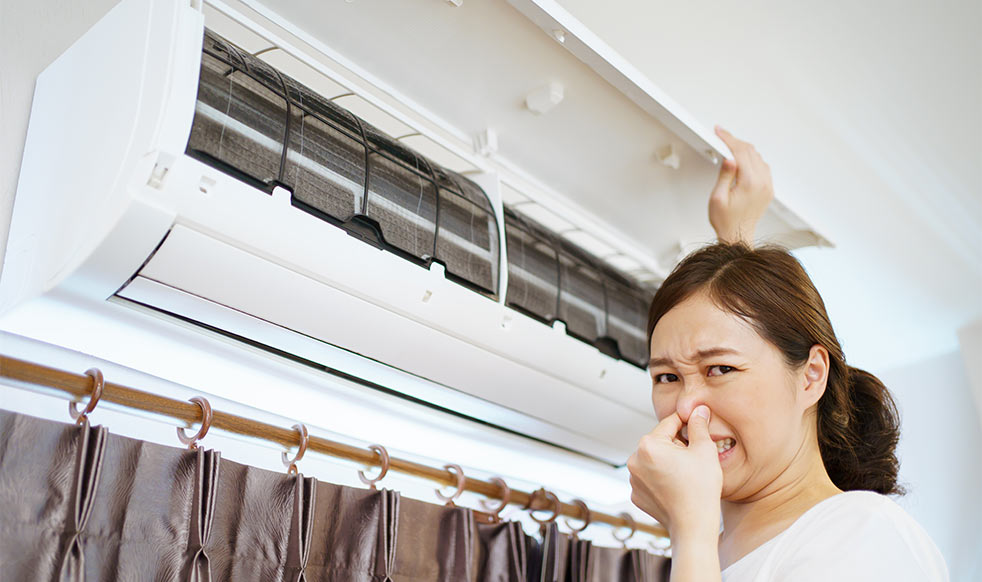
Mold in AC vents is more common than you’d think, especially in humid environments like Hendersonville, Tennessee, and the surrounding Middle Tennessee area.
This type of mold is sneaky. It hides in ductwork, coils, and vents, silently spreading spores through the air. If left untreated, it can impact both your HVAC system and your health. Here’s a comprehensive guide on how to identify when it’s mold, deal with it, and prevent further spread of mold in AC systems—whether it’s mold in HVAC ducts, AC vents, or even black mold in air ducts.
What Are the Signs of Mold in AC Systems?
Mold can make its presence known in subtle but dangerous ways:
- A musty or damp odor when the air conditioning runs.
- Allergy-like symptoms such as coughing, wheezing, an irritated nose, sneezing, or itchy eyes.
- Visible black or green patches near air vents or inside ducts.
- Frequent respiratory infections or worsening asthma.
These symptoms are often triggered by mold in AC ducts, mold in HVAC units, or black mold in AC vents, circulating spores through your home.
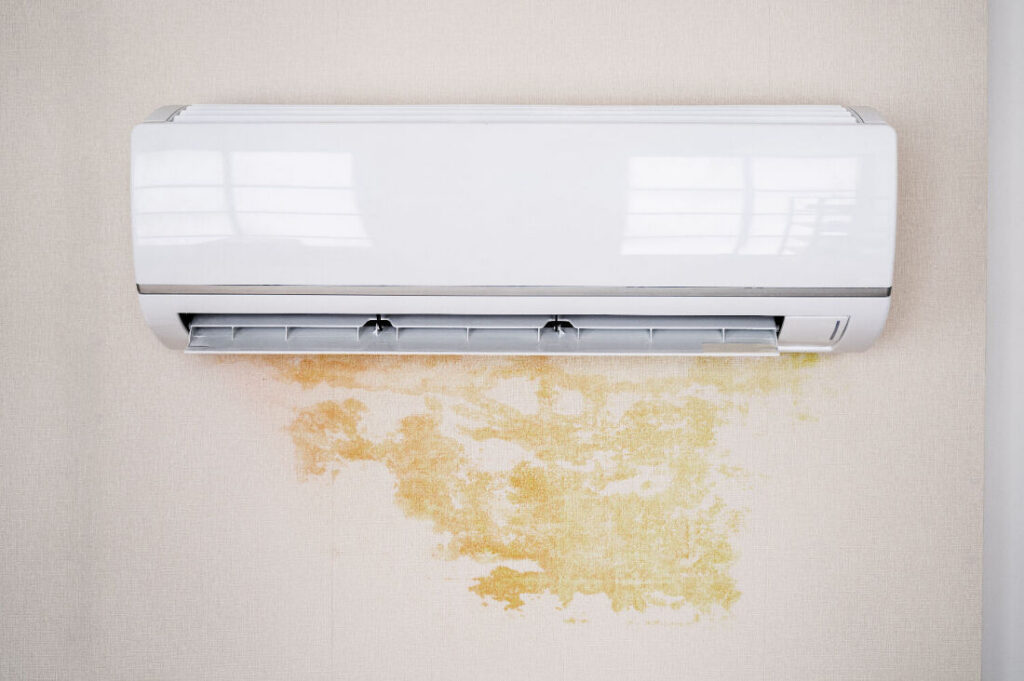
Immediate Steps to Take When You Suspect Mold in Your AC
1. Spot the Signs of Mold in AC Early
Mold isn’t always visible. You might not see green or black spots, but that doesn’t mean they’re not there. Signs of mold in AC ducts or mold in air ducts include:
- Musty or sour smell when the AC runs
- Increased allergic reactions or respiratory issues indoors
- Black dust near vents
- Visible mold on vent covers or around air returns
If you notice these symptoms in your Hendersonville home or business, it’s time to take action.
2. Stop the HVAC System Immediately
When you suspect mold in your AC, the first thing to do is turn off your HVAC system. Continuing to run it allows mold spores to spread throughout your home or commercial space, contaminating other areas and worsening indoor air quality.
This step is especially important if you’re dealing with black mold in AC units, which can release mycotoxins.
3. Get a Professional Mold Test
Don’t rely on guesswork. Mold can look like regular dust or dirt. To avoid wasting time and money, schedule a professional mold test from a certified inspector in Hendersonville. This test:
- Confirms the presence and type of mold
- Helps determine the severity of contamination
- Guides the appropriate cleaning or remediation method
Professional testing is crucial if you’re unsure whether you’re dealing with mold in HVAC or another issue.
4. Check Your Duct Type
Cleaning methods differ based on what your ductwork is made of:
- Bare sheet metal ducts: Easier to clean
- Flex ducts or fiberglass-lined ducts: Harder to clean thoroughly; often require replacement
Understanding your duct material helps mold remediation professionals select the safest and most effective HVAC mold removal strategy.
5. Hire a Licensed Mold Removal Company
Removing mold in AC vents is not a DIY job. It requires the right tools, EPA-approved products, and most importantly, the know-how to keep spores from spreading. A professional HVAC mold remediation company will:
- Isolate the affected areas
- Use HEPA vacuums and antimicrobial agents
- Address root causes like leaks or humidity
If you’re in the Hendersonville area, contact a NADCA-certified specialist for peace of mind and long-term results.
6. Choose the Right Cleaning Process
Not all cleaning methods are safe for all ducts. For example:
- Steam cleaning is not recommended for ducts due to moisture retention
- Fogging or encapsulating treatments may be used on certain materials
- Rotobrush systems are excellent for hard-to-reach spots
Ask your contractor about their method and ensure it aligns with NADCA standards for effective mold HVAC cleaning.
7. Prevent Mold in AC From Coming Back
Once mold is gone, you’ll want to keep it that way. Prevention is key to keeping your air clean and your AC mold-free:
- Keep humidity below 60% using a dehumidifier
- Regularly inspect and clean AC drip pans
- Replace air filters every 30–60 days
- Schedule yearly HVAC inspections
- Fix any water leaks ASAP
These preventive steps are your best defense against recurring AC mold removal.

Why You Need a Professional for AC Mold Removal in Hendersonville, TN
Mold Cleaning Requires Specialized Equipment
Mold remediation inside HVAC systems isn’t a DIY job. It involves HEPA vacuums, specialized chemicals, and negative air pressure to ensure spores don’t spread. Professionals also use EPA-approved products for safe and effective AC mold removal.
Experience and Regulations Matter
Not all duct cleaners are created equal. Make sure your contractor follows NADCA (National Air Duct Cleaners Association) guidelines. Avoid companies that use steam or moisture-heavy methods—these can worsen the problem.
Prevent Mold from Coming Back
Professional HVAC mold remediation companies don’t just remove mold—they find out why it grew. Maybe it’s poor drainage, high indoor humidity, or blocked condensate lines. Fixing the root cause ensures you won’t be dealing with mold in HVAC again anytime soon.
How to Prevent Mold in AC Ducts and Vents
Once you’ve addressed the problem, prevention is key. Here’s how to keep mold in air ducts from returning:
- Lower indoor humidity. Use dehumidifiers, especially in Tennessee’s humid summers.
- Fix leaks fast. Leaky ductwork, roofs, or plumbing can feed mold growth.
- Clean and maintain AC components. Drain pans should slope toward the drain to avoid pooling water.
- Make HVAC systems accessible. Ensure your HVAC design allows easy access for inspection and cleaning.
- Have your ducts cleaned regularly—especially if you’ve had past mold issues.
Don’t Let Mold Linger—Call the Experts at PuroClean of Hendersonville at (615) 348-7200 for Emergency Mold Removal
If you’re seeing the signs—or even just suspect—you might have mold in your AC, it’s time to call in the professionals. At PuroClean of Hendersonville, we specialize in:
- Mold removal and remediation
- HVAC mold remediation and duct cleaning
- Water damage restoration, including leaks and flooded AC units
Our trained technicians use EPA-approved, NADCA-compliant methods and top-of-the-line equipment. We don’t just clean your system—we help prevent future growth.
Serving Hendersonville, Nashville, and Surrounding Areas
Whether you’re dealing with black mold in AC vents or suspect mold in your air ducts, PuroClean is here to help restore your home’s comfort and safety. Call us today for a consultation or emergency service.
FAQs: Mold in AC and HVAC Systems
Q: What does mold in AC smell like?
A: It’s typically a musty, damp, or earthy smell, similar to wet socks or mildew.
Q: Is mold in HVAC ducts dangerous?
A: Yes. It can trigger allergies, asthma, and respiratory infections, especially in vulnerable individuals.
Q: Can I clean HVAC mold myself?
A: Surface mold might be removed DIY, but internal mold in ducts requires a professional with the right tools and protective gear.
Q: How often should I have my air ducts cleaned?
A: NADCA recommends cleaning every 3–5 years, or sooner if there’s a mold issue or you’ve had water damage.
Q: Is black mold in AC unit dangerous?
A: Black mold in air vents can be especially hazardous and should be removed immediately by professionals.