


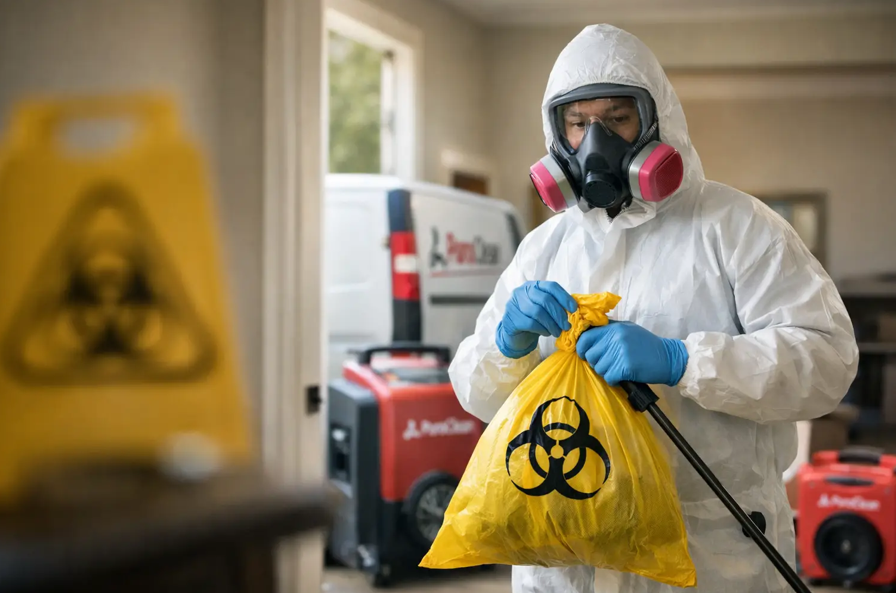
A biohazard scene changes the rules of cleanup immediately. What looks like a stain, spill, or affected room may involve bloodborne pathogens, bacteria, drug residue, sewage contamination, or other hazardous materials that put people at real risk. This biohazard cleanup safety guide is written for homeowners, landlords, property managers, and business owners who need clear direction in a stressful moment.
The first priority is not speed for its own sake. It is a controlled action that protects health, prevents cross-contamination, and preserves as much of the property as possible. In many cases, that means stepping back, restricting access, and letting trained professionals handle the work.
What counts as a biohazard cleanup situation
Biohazard cleanup is not limited to crime scenes or major trauma events. It can include sewage backups, unattended death, animal waste, sharps, bodily fluids, hoarding conditions with contamination, and drug-related residue such as fentanyl. In commercial settings, it may also involve contaminated restrooms, employee injury areas, or improperly discarded medical waste.
What these situations have in common is the potential for exposure to harmful biological or chemical substances. The danger is not always obvious. A room can look manageable while still containing airborne particles, porous materials that have absorbed contaminants, or surfaces that spread contamination through normal foot traffic.
That is why a true biohazard cleanup safety guide starts with recognition. If there is any chance that blood, bodily fluids, sewage, drug residue, or decomposing organic material is present, treat the area as hazardous until proven otherwise.
The biggest risks people underestimate
Many people assume gloves and household cleaner are enough. They usually are not. The main risk is direct exposure through skin contact, inhalation, accidental ingestion, or contact with the eyes and mucous membranes. Cuts, abrasions, and even improper glove removal can create exposure points.
The second risk is cross-contamination. A contaminated shoe sole, mop, vacuum, or trash bag can spread material into hallways, vehicles, adjacent rooms, and HVAC systems. That is where a bad situation gets more expensive and more dangerous.
There is also a structural and material risk. Drywall, carpet pad, insulation, upholstered furniture, subflooring, and baseboards can absorb contamination beyond what is visible on the surface. Wiping the top layer does not always solve the problem. In some cases, affected materials need to be removed, bagged, and disposed of according to applicable regulations.
Biohazard cleanup safety guide: what to do first
If you discover a potentially contaminated area, keep people and pets out immediately. Close doors if possible, but do not disturb the scene more than necessary. If the event may involve criminal activity, unattended death, or injury investigation, contact the appropriate authorities first and do not begin cleanup until the scene is released.
If there is an active source, such as a sewage backup or leaking plumbing line, stop it only if you can do so safely. Turn off the water to the affected fixture or area if you know how. If electrical hazards are present around wet contamination, stay clear and wait for qualified help.
Ventilation is an area where judgment matters. Fresh air can help in some conditions, but air movement can also spread particles. Opening a nearby window may be reasonable in a small sewage-related area, while running fans or HVAC equipment can worsen contamination. It depends on the source and the layout of the property.
Take photos for documentation if it is safe to do so, especially for insurance purposes, then stop. Documentation helps, but cleanup should not begin until the hazards are understood.
Why household PPE often falls short
Personal protective equipment is essential, but the right PPE depends on the hazard. Disposable gloves from a kitchen drawer do not provide the same protection as chemical-resistant gloves selected for biohazard work. A cloth face covering or basic dust mask is not designed for bloodborne pathogens, aerosolized particles, or drug residue concerns.
Professional crews typically assess the scene and use PPE that may include gloves, fluid-resistant suits, eye protection, shoe covers, and respirators suited to the risk. The exact combination changes based on whether the issue is trauma cleanup, sewage contamination, sharps exposure, or a substance such as fentanyl.
There is also a training component that people overlook. PPE only works when it is put on, removed, and disposed of correctly. Improper doffing is one of the easiest ways to contaminate yourself after a cleanup task appears finished.
Containment matters as much as cleaning
Cleaning a biohazard area without containment can push contamination into clean parts of the property. That is why professionals often isolate the work zone before beginning removal or disinfection. Depending on the situation, that may involve physical barriers, controlled entry points, and procedures for handling tools and waste.
This step is especially important in occupied homes, multifamily properties, offices, and retail spaces. A contaminated back room or bathroom can affect employees, tenants, customers, or family members if people move in and out without controls in place.
Containment also protects HVAC systems. If airborne particles are a concern, running central air during cleanup may spread contaminants into ducts and adjacent rooms. Shutting down airflow in the affected zone can be the safer approach until remediation is complete.
Cleaning, disinfecting, and disposal are not the same thing
One of the most common misunderstandings in any biohazard cleanup safety guide is the idea that spraying disinfectant solves the problem. It does not. Effective remediation often happens in stages.
First, visible contamination and affected materials may need to be removed. Second, surfaces must be cleaned so disinfectants can contact the area properly. Third, an EPA-registered disinfectant appropriate for the hazard is applied according to label directions, including required dwell time. If the disinfectant is wiped away too soon or applied to a dirty surface, performance drops.
Disposal is its own issue. Contaminated waste, absorbent materials, sharps, and certain PPE may require specific handling and disposal methods. Standard household trash procedures may not be appropriate, and local or state requirements can apply.
Odor control is another piece of the job, but it should never come before decontamination. If a room still has contamination in porous materials, deodorization alone will only mask evidence of a deeper problem.
When you should not attempt cleanup yourself
Some situations clearly require professional remediation. If there is a large volume of blood or bodily fluids, an unattended death, decomposition, sewage with broad spread, needles or sharps, suspected fentanyl residue, or contamination that has soaked into building materials, do not attempt DIY cleanup.
The same is true if vulnerable people may be exposed, including children, elderly occupants, tenants, customers, or employees. Liability matters for landlords and business owners, and a partial cleanup can create legal as well as health consequences.
There is also the emotional reality. Trauma scenes are not just technical cleanup jobs. Families and property owners are often dealing with shock, grief, or crisis. Bringing in trained technicians allows the work to be handled safely and professionally without asking someone close to the event to manage the scene themselves.
For property owners in Hilo, Hawai’i, and nearby communities, rapid response can make a major difference. Heat, humidity, occupancy demands, and the risk of contamination spreading through active buildings all increase the need for a disciplined process.
What professional biohazard remediation should look like
A qualified restoration company should begin with a site assessment, identify affected materials, establish containment as needed, and use trained technicians with proper PPE. The work should include removal of contaminated materials where necessary, detailed cleaning, disinfection with appropriate products, and safe waste handling.
Just as important, the company should explain the plan in plain language. You should understand what is being removed, what can be restored, how the area will be disinfected, and what documentation may be available for insurance or property records.
For customers facing trauma, sewage, or hazardous residue events, PuroClean of The Big Island approaches these losses with urgency, technical discipline, and respect for the people affected. That combination matters because the best cleanup process is not only thorough. It also reduces confusion during a moment when clear guidance is hard to find.
A practical mindset for safer decisions
If you remember one thing from this biohazard cleanup safety guide, make it this: not every dirty scene is a biohazard, but every suspected biohazard scene should be treated carefully until a trained professional says otherwise. Acting too casually can spread contamination, increase costs, and put health at risk.
The safest first move is often the simplest one. Restrict access, avoid disturbing the area, document what you can from a safe distance, and get qualified help involved early. In a stressful property emergency, that choice protects people first and gives the cleanup a better chance of being done right.
#purocleanofthebigisland #biohazard