


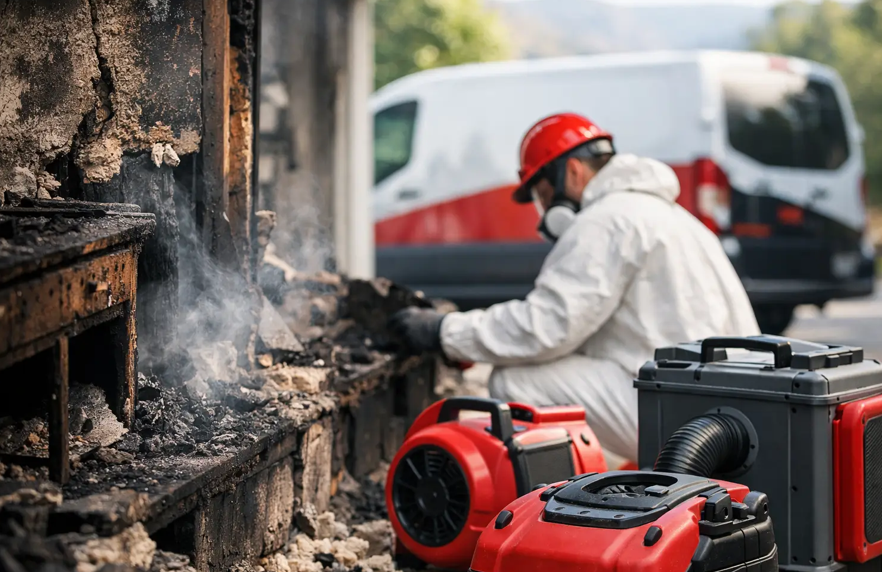
The fire may be out, but the damage keeps moving.
That is what catches many property owners off guard. Within hours, soot starts staining walls and ceilings more deeply. Smoke particles settle into upholstery, HVAC systems, cabinets, and electronics. Water used to put out the fire can trigger swelling, corrosion, and mold risk. Fire and smoke damage clean up is not just about removing what looks dirty. It is about stopping secondary damage before the property becomes harder and more expensive to restore.
Why fire and smoke damage clean up needs to happen fast
After a fire, every surface tells a different story. Dry soot from a fast-burning fire behaves differently than oily residue left by low-oxygen burning. Protein residue from kitchen fires can be nearly invisible but still leave a strong odor. Wet materials can trap contaminants and spread them further through a building if they are handled the wrong way.
Speed matters because soot is acidic. It can discolor paint, etch metal, cloud glass, and permanently damage finishes if it sits too long. Smoke odors also migrate. They move through porous materials, inside insulation, and into ductwork. What seems like a small loss in one room can affect the whole structure if cleanup is delayed.
For homes and businesses in the Las Vegas area, fast response also helps limit interruption. A homeowner may be trying to salvage personal belongings and keep the household safe. A business owner may be dealing with downtime, customer disruption, and pressure to reopen. In both cases, quick professional assessment gives you a clearer path forward.
What professional fire and smoke damage clean up includes
A proper restoration process starts with inspection, not guesswork. Technicians evaluate the fire source, the type of smoke residue, the extent of water damage, and which materials are restorable versus non-restorable. This step matters because the wrong cleaning method can make damage worse. Wiping oily soot with the wrong product, for example, can smear residue deeper into a surface.
Securing the property first
If windows, roofing, doors, or exterior walls were damaged, the structure may need immediate stabilization. Board-up and tarping help protect against weather exposure, theft, and additional contamination. This is especially important when the property cannot remain fully occupied during the early stage of restoration.
Removing water and drying the structure
Many fire losses also include water damage from firefighting efforts. Standing water may need extraction, and affected materials often require controlled structural drying. Floors, wall cavities, baseboards, cabinets, and subfloors can retain moisture long after surfaces appear dry.
This part of the process is easy to underestimate. If wet materials are not properly dried, smoke cleanup may be incomplete and mold growth can begin behind walls or under flooring. Professional drying equipment and moisture monitoring help reduce that risk.
Soot and smoke residue removal
This is where experience matters most. Different residues require different approaches. Dry sponges may be used on some surfaces before wet cleaning begins. HEPA vacuuming can remove loose particulates. Specialized cleaning agents may be needed for painted walls, wood, tile, masonry, metal, and delicate contents.
Not everything should be cleaned the same way. Electronics, appliances, documents, and textiles each require a different protocol. A rushed, all-purpose cleaning attempt can set stains, spread contamination, or ruin items that might otherwise have been restored.
Odor removal and air treatment
If smoke odor remains, the job is not finished. Deodorization is more than spraying a fragrance into the air. Effective odor control usually involves removing the source residue first, then treating the air and affected materials with professional methods such as thermal fogging, air scrubbing, or other targeted deodorization techniques.
Smoke odor tends to linger in insulation, soft goods, HVAC systems, and unfinished cavities. That is why odor removal often takes a combination of cleaning, filtration, and material-specific treatment.
What you should and should not do after a fire
The first priority is always safety. Do not re-enter the property until fire officials or other authorities say it is safe. Structural instability, electrical hazards, and hidden hot spots are real risks.
Once entry is allowed, it helps to avoid disturbing soot-covered surfaces more than necessary. Walking through debris, brushing walls, or using a household vacuum can spread residue further. Turning on HVAC equipment may circulate smoke particles into clean areas. Washing walls or laundering affected items without guidance can also set damage.
There are a few helpful first steps you can take. If it is safe, document visible damage with photos and keep a record of affected rooms and contents. Remove only essential personal items that have not been contaminated. Then bring in restoration professionals who can evaluate the full scope before cleanup begins.
Fire and smoke damage clean up for contents and personal belongings
One of the hardest parts of a fire loss is uncertainty about what can be saved. Many items look ruined at first glance but may be restorable with the right process. Others may appear fine and still carry heavy smoke contamination.
Contents restoration often includes pack-out, inventory, cleaning, deodorization, and secure storage while structural work is underway. Upholstery, clothing, area rugs, hard goods, and some documents may be recoverable depending on heat exposure, residue type, and how quickly treatment begins.
It depends on the material. Non-porous items generally have a better chance of recovery than porous items that absorbed smoke deeply. Electronics can be especially tricky because soot is corrosive and can damage internal components even when the device still powers on. Trying to use fire-exposed equipment too soon can increase the loss.
Why smoke damage is often bigger than the burn area
Property owners naturally focus on the room where the fire started. The problem is that smoke rarely stays put. It follows air movement, travels through vents and gaps, and settles in places you cannot easily see.
A kitchen fire may leave heavy residue in adjacent rooms. A garage fire can push smoke into living spaces, attics, and stored contents. In commercial settings, smoke can affect offices, inventory, breakrooms, and shared HVAC zones far beyond the original source.
That is why cleanup plans should be based on testing and inspection, not visual damage alone. If smoke contamination is missed, odor complaints and corrosion issues can continue long after the visible fire damage is repaired.
Insurance, documentation, and the value of a guided process
After a fire, most people are dealing with more than cleanup. They are also trying to understand coverage, document losses, and make urgent decisions under stress. A structured restoration process helps reduce confusion.
Detailed documentation supports the claims process and helps keep the scope of work clear. Photos, moisture readings, room-by-room notes, and itemized content records can all make a difference. Just as important, clear communication helps property owners understand what is being cleaned, what must be removed, and what the timeline may look like.
A dependable restoration partner should be able to explain trade-offs honestly. Some materials can be restored, but the labor involved may exceed replacement value. Some odors can be removed quickly, while others require demolition of deeply affected materials. Straight answers matter when you are trying to protect both the property and the budget.
Choosing the right response after a fire
Fire losses are disruptive, emotional, and often more complex than they first appear. The right response is not cosmetic cleanup. It is a controlled, technically sound process that addresses soot, smoke, water, odor, and hidden contamination together.
For homeowners, landlords, and businesses, that means choosing a team that can respond quickly, inspect thoroughly, and guide the recovery without adding confusion. PuroClean of East Las Vegas approaches fire and smoke restoration that way – with urgency, certified expertise, and a clear plan for moving from damage to stability.
If your property has been affected by a fire, early action gives you the best chance to protect materials, reduce lingering odor, and keep the loss from spreading any further.