


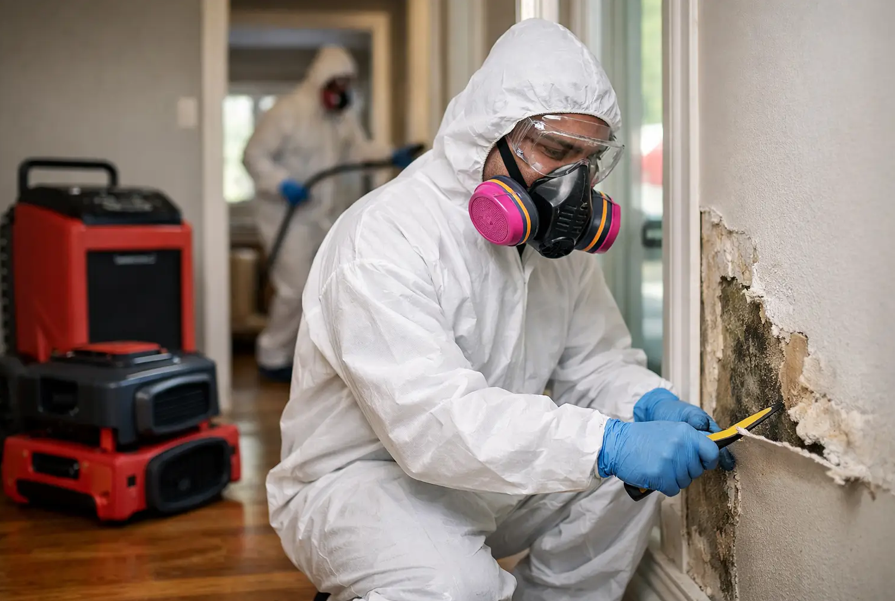
A mold problem can turn a spare bathroom, a laundry room, or a hidden wall cavity into a source of real concern quickly. The right response is not to disturb the affected area or start tearing out materials on your own. Knowing how to prepare for mold remediation helps protect your household or occupants, preserves evidence of damage, and allows certified technicians to begin containment and cleanup without unnecessary delays.
Mold remediation is more than spraying a surface cleaner on visible growth. A professional process may involve identifying moisture sources, isolating contaminated areas, removing affected materials, HEPA vacuuming, cleaning structural surfaces, and verifying that the space is dry and ready for restoration. Preparation is your part of making that work safer and more efficient.
Start by Limiting Exposure and Disturbance
If you can see mold or notice a persistent musty odor, avoid touching, scrubbing, or dry-brushing the area. Disturbing mold can release spores into the air and spread contamination to nearby rooms, furnishings, and HVAC pathways. This is especially relevant when growth is extensive, appears after a leak or flood, or affects porous materials such as drywall, carpet, insulation, ceiling tiles, or upholstered furniture.
Keep children, pets, tenants, customers, and employees away from the affected space whenever possible. Close the door to the room if doing so does not trap moisture or create another safety issue. Do not run fans directly toward visible mold, and do not use a standard household vacuum on contaminated materials. These steps can spread spores rather than remove them.
If the area has standing water, an active leak, sewage exposure, damaged electrical outlets, or a weakened ceiling, treat it as a property safety issue first. Turn off the water source if it is safe to do so and contact a qualified restoration professional. Never enter an area with electrical hazards or a ceiling that may collapse.
Document the Damage Before Cleanup Begins
Before any materials are removed, take clear photos and videos of the affected area. Capture visible mold, water staining, warped flooring, damaged baseboards, wet contents, and the suspected source of moisture if it is apparent. Include wide shots of the room and close-up images of specific damage.
Documentation can be useful when discussing the loss with an insurance carrier, landlord, property manager, or restoration team. It also creates a record of conditions before remediation begins. Do not delay urgent drying or professional help just to create perfect documentation. Take what you can safely, then focus on stopping the source and limiting further damage.
For commercial properties, document any operational impact as well. That may include closed work areas, damaged inventory, affected equipment, tenant communications, or restricted access routes. A clear record helps management make informed continuity decisions while remediation is underway.
Address the Moisture Source
Mold needs moisture to grow. Removing visible growth without correcting the water source can lead to another mold problem behind the same wall, under the same flooring, or inside the same cabinet. Preparation should include sharing everything you know about recent water events with the remediation team.
Think through what happened in the days or weeks before you noticed the issue. A slow supply-line leak under a sink, overflowing toilet, roof intrusion, air-conditioning condensation, failed caulking around a shower, or floodwater intrusion can all create the conditions for mold growth. In Las Vegas-area properties, plumbing leaks and air-conditioning-related moisture are common concerns, even in a dry climate.
If a plumber, roofer, or maintenance professional has already repaired the source, keep any invoices, notes, or photos. If the source has not been repaired, tell the remediation team immediately. Some situations require coordinated work between restoration technicians and other qualified trades so the area can be dried, remediated, and restored without leaving the underlying issue unresolved.
Clear Access Without Spreading Contamination
Technicians need safe access to inspect the affected area, set up containment, move equipment, and remove damaged materials when necessary. Clear hallways, doorways, and work areas leading to the damaged room. Move clean, unaffected items out of the path when you can do so without handling contaminated belongings.
Do not remove contents that are visibly moldy or wet unless instructed to do so. Moving those items through the property can transfer spores and moisture into clean areas. A professional assessment determines whether items can be cleaned, need specialized contents restoration, or should be discarded.
For a room with a localized issue, it may be enough to move nearby furniture and personal items several feet away from the work zone. For widespread mold or a large water loss, technicians may recommend a more controlled pack-out or contents inventory. The right approach depends on the extent of contamination, the type of materials involved, and whether the area can be properly isolated.
Before the crew arrives, make practical arrangements for access. Unlock gates, reserve parking near the entrance if possible, and secure pets in a safe area away from the work zone. Let the team know about alarm systems, building access procedures, elevator restrictions, or tenant schedules that could affect the job.
Protect Important Belongings and Records
Take essential documents, medications, valuables, and irreplaceable personal items from nearby clean areas and place them somewhere dry and secure. This is not an invitation to sort through a contaminated room. Focus on items that can be removed without entering the affected space or handling mold-damaged materials.
If business records, electronics, artwork, or specialized equipment may be affected, notify the remediation team before work starts. Some contents need different handling than ordinary household items. Electronics, for example, may be vulnerable to moisture and contamination but can sometimes be evaluated for cleaning or restoration rather than automatically replaced.
It helps to make a brief inventory of high-value items in or near the affected area. Include photographs and estimated ages or purchase information if available. This can support insurance discussions and helps establish a clear chain of communication with property managers, adjusters, and restoration professionals.
Prepare Your Household or Building Occupants
Mold remediation can involve controlled demolition, air filtration equipment, drying equipment, and temporary containment barriers. Depending on the scope of work, access to a bathroom, kitchen, bedroom, office, storage room, or retail area may be limited for several days. Ask early about the expected work schedule, access restrictions, noise, and whether occupants need to relocate from part or all of the property.
Many smaller, contained projects allow people to remain in the building while technicians work. That said, it depends on the location of the damage, the size of the affected area, the people using the space, and whether there are additional concerns such as sewage contamination or major structural damage. Individuals with respiratory sensitivities or other health concerns should consider discussing exposure concerns with an appropriate healthcare professional.
For rental properties and commercial buildings, communication is part of preparation. Give occupants clear information about which areas are restricted, where to enter the building, and who to contact with questions. Avoid making promises about exact completion dates before the full extent of damage is known. Hidden moisture behind walls or beneath flooring can change the work plan after inspection.
What to Expect During Professional Remediation
A qualified remediation team begins with an inspection to identify visible damage, moisture migration, and likely sources. Technicians may use moisture meters, thermal imaging, hygrometers, and other tools to evaluate materials that appear dry on the surface but retain moisture inside.
The work area is then contained as needed to limit cross-contamination. This may include poly barriers, controlled entry points, negative air equipment, and HEPA air filtration. Damaged porous materials may need removal when they cannot be reliably cleaned and dried. Remaining surfaces are cleaned using appropriate methods and products, while drying equipment addresses the moisture conditions that enabled mold growth.
Ask the restoration provider to explain what is being removed, what can be saved, how the area will be contained, and what happens after remediation. A dependable team should be able to describe the scope in clear terms and keep you informed if conditions behind walls, cabinets, or flooring require a change in plan.
Questions to Ask Before Work Starts
A brief conversation can prevent confusion during a stressful property event. Ask who will be your main point of contact, whether the source of moisture has been identified, and how the affected area will be isolated from clean spaces. You should also ask how contents will be handled, what insurance documentation may be needed, and what conditions must be met before reconstruction begins.
For property managers and business owners, ask about daily site access, after-hours work, equipment placement, and steps to protect customers or employees. PuroClean of East Las Vegas can help explain the remediation process, coordinate practical next steps, and provide the urgent restoration support needed to move from a disrupted space toward a clean, dry, usable property.
The most helpful preparation is simple: avoid spreading contamination, protect people from unnecessary exposure, document what you can, and give trained technicians clear access to the problem. Fast, informed action gives your property the best chance of a controlled recovery.
#purocleanofthebigisland