


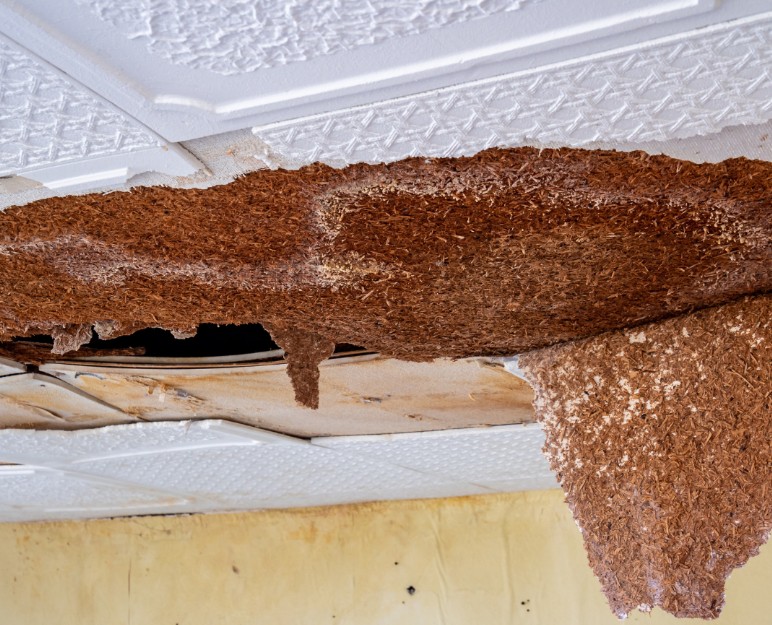
Water damage can be a homeowner’s worst nightmare. Whether it’s caused by a burst pipe, a severe storm, or an overflowing appliance, the resulting damage can be extensive and costly to repair. The financial burden can be overwhelming, especially when considering the potential structural damage and the need for immediate action to prevent further deterioration. Fortunately, many homeowners wonder if their insurance will cover the costs associated with water restoration.
In this article, we will explore the role of property damage insurance in covering water restoration and what homeowners need to know. Understanding the nuances of your insurance policy can help you prepare for and manage such unfortunate incidents effectively.
Understanding Property Damage Insurance
Before diving into water restoration specifics, it’s essential to understand what property damage insurance typically covers.
What’s Covered Under Property Damage Insurance?
Property damage insurance generally covers sudden and accidental damage to your home. For instance, if a tree falls on your roof during a storm or if a plumbing issue causes water to flood your basement, your insurance may help cover the repair costs. This type of coverage is crucial for homeowners, as it helps mitigate the unexpected costs associated with such incidents.
However, it’s crucial to remember that insurance policies vary, and specific coverage depends on the details of your policy. Homeowners should regularly review their policies to ensure they understand what is and isn’t covered, potentially consulting with their insurance agent for clarity.
What’s Not Covered?
It’s equally important to understand what property damage insurance does not cover. Generally, standard homeowners insurance does not cover damage resulting from poor maintenance or neglect. For example, if a slow leak in your roof causes water damage over time, this may not be covered. This exclusion emphasizes the importance of regular home maintenance to prevent avoidable damage.
Insurance and Water Restoration
When it comes to water damage, the question of whether insurance will cover water restoration services often depends on the cause and extent of the damage. Insurance companies assess the circumstances surrounding the water damage to determine eligibility for coverage. Knowing the specific types of water damage that are covered can save homeowners from unexpected financial burdens and help them make informed decisions about their insurance needs.
Types of Water Damage Covered
- Sudden and Accidental Discharge: This type of water damage occurs unexpectedly, such as a burst pipe or a washing machine hose that breaks. These incidents are usually covered by homeowners insurance, and the policy will typically help pay for water restoration services. This coverage is essential for homeowners, as it addresses common household mishaps that can result in significant damage.
- Overflow and Discharge: If your bathtub overflows due to a plumbing issue, this is often covered. However, if it overflows because you left the water running, it may not be covered. The distinction between accidental and negligent actions is crucial, as insurance policies typically cover unforeseen incidents rather than those resulting from homeowner oversight.
- Storm-Related Water Damage: Damage from rain or snow that enters your home due to wind damage or a broken window may be covered. Homeowners should ensure their policies include provisions for storm damage, as these are common occurrences in many regions.
Types of Water Damage Not Covered
- Negligence: Damage resulting from a lack of maintenance, such as ignoring a small leak until it becomes a significant issue, is generally not covered. This underscores the importance of regular inspections and timely repairs to avoid costly out-of-pocket expenses.
- Flood Damage: As mentioned earlier, flood damage from external sources like rising rivers requires separate flood insurance. Homeowners in flood-prone areas should consider purchasing this additional coverage to protect their properties adequately.
- Sewer or Drain Backup: Many standard policies do not cover sewer or drain backups, although you can typically add this coverage as an endorsement. Homeowners should evaluate the risk of such incidents in their area and consider whether this additional protection is necessary.
Working with a Water Damage Restoration Company
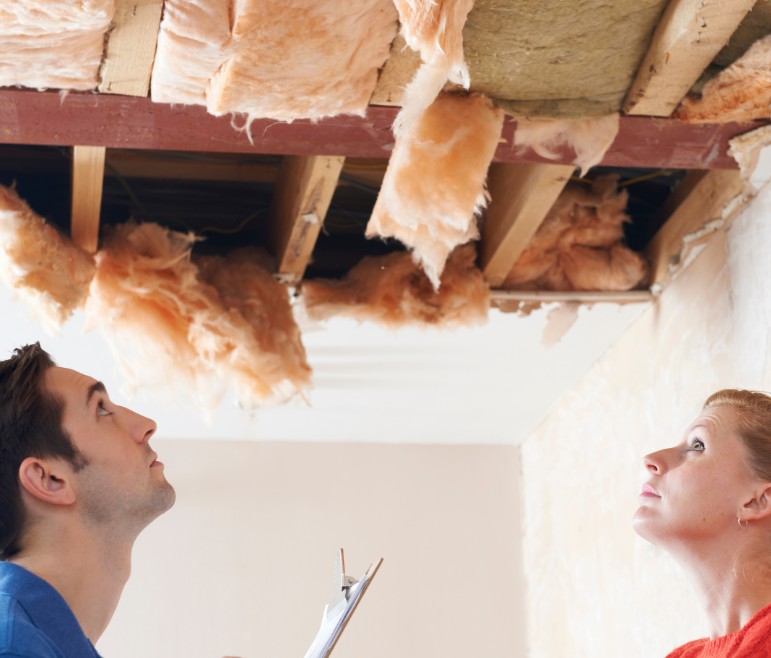
If you experience water damage, it’s vital to act quickly. Water can cause severe damage to your property and create a conducive environment for mold growth, which can lead to health issues. Immediate action can help minimize damage and reduce the risk of mold, which can complicate the restoration process and increase costs.
Steps to Take After Water Damage
- Document the Damage: Take photos and videos of the affected areas to provide evidence for your insurance claim. Detailed documentation can help expedite the claims process and ensure you receive adequate compensation for repairs.
- Contact Your Insurance Company: Notify your insurer about the damage as soon as possible. They will guide you through the claims process and inform you about your coverage. Prompt communication with your insurance company can help streamline the claims process and facilitate quicker repairs.
- Hire a Professional Water Restoration Company: These companies specialize in mitigating water damage and restoring your property. They have the necessary equipment and expertise to handle the situation effectively. Choosing a reputable company can ensure the restoration is done correctly and efficiently, preventing further issues down the line.
Filing an Insurance Claim for Water Restoration
Filing an insurance claim for water restoration can be a complex process, but understanding the steps involved can help you navigate it more smoothly. Being informed about the claims process can reduce stress and improve the likelihood of a successful claim, helping you focus on restoring your home.
The Claims Process
- Report the Damage: Contact your insurance company to report the damage. They will assign an adjuster to assess the situation. Early reporting can help expedite the assessment and claims process.
- Provide Documentation: Submit the photos, videos, and any other documentation of the damage to support your claim. Thorough documentation can strengthen your claim and ensure you receive the appropriate compensation.
- Get Estimates: Obtain estimates from water restoration companies for the cost of repairs. Your insurance company may require multiple estimates. Having several estimates can provide a clearer picture of the repair costs and support your negotiations with the insurer.
- Work with the Adjuster: The adjuster will evaluate the damage and determine the extent of coverage based on your policy. Collaboration with the adjuster can help clarify coverage details and facilitate a fair settlement.
- Receive Payment: Once your claim is approved, your insurance company will issue a payment for the covered repairs, minus your deductible. Understanding the payment process can help you plan for any out-of-pocket expenses and manage your repair budget effectively.
Conclusion
Water damage can be overwhelming, but understanding your insurance coverage and working with the right professionals can make the recovery process easier. Reviewing your policy and exploring added protections like flood insurance helps strengthen your home’s defense against future incidents.
If you’re dealing with water damage in the Dallas, GA area, contact our team at PuroClean of Hiram. Our experienced team can guide you through the restoration process, help you work with your insurance, and restore your home quickly and effectively.