


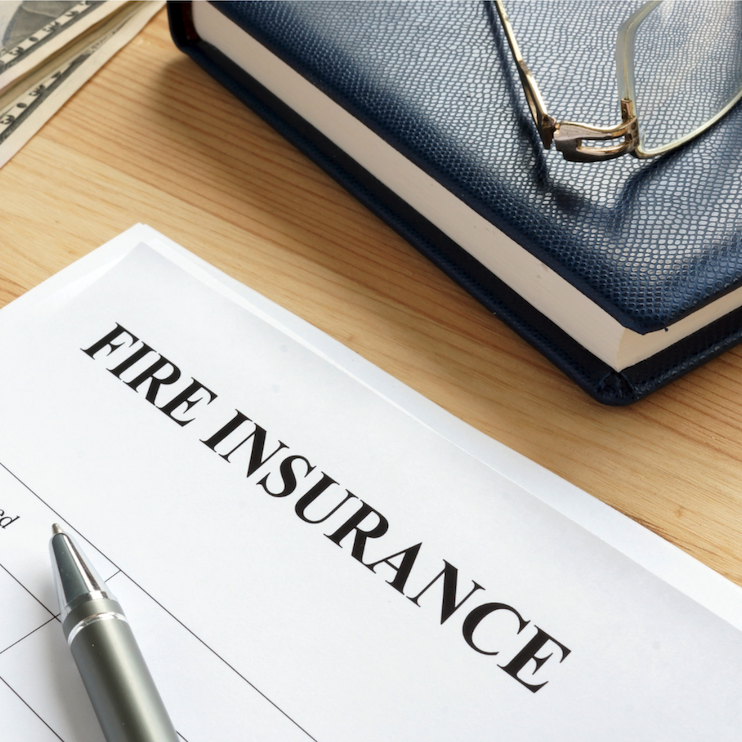
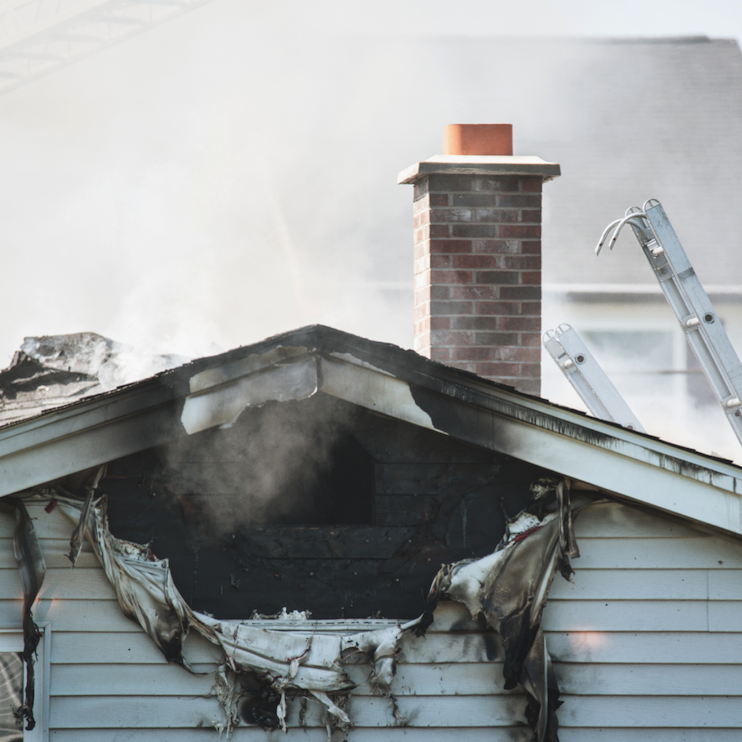
Fire damage can affect every part of your property, from the structure to the contents inside. It can range from visible charred walls and destroyed furniture to hidden issues like smoke odor and water damage from firefighting efforts. It’s crucial to understand the extent of the damage to accurately report it to your insurance company. This comprehensive understanding will aid in painting a clear picture for your insurer, ensuring no detail is overlooked.
Assessing the Damage
After the fire department has cleared your property as safe, conduct an initial assessment of the damage. Begin with a cautious walkthrough, observing safety protocols, as some structures may be unstable.
Look for structural damage, soot, smoke, and water damage from firefighting efforts. Document everything with photos and notes. This evidence will be crucial in your insurance claim process, serving as a tangible record of the damage incurred.
Starting the Insurance Claim Process
Once you have an understanding of the damage, it’s time to initiate your property damage insurance claim. Acting quickly can help expedite the process, as delays might complicate or even jeopardize your claim. Insurance companies often have strict timelines for reporting damages, and adhering to these can make a significant difference in the efficiency and outcome of your claim.
Contacting Your Insurance Company
Notify your insurance company as soon as possible after the fire. Most insurance policies require timely notification of any damage. Provide them with the details of the fire, including the date, time, and a brief description of the damage. Early notification sets the stage for a smoother claims process and demonstrates your proactive approach to rectifying the situation.
Understanding Your Policy
Before you dive into the claims process, take the time to review your insurance policy. Understand what’s covered under your fire damage insurance claims and any specific requirements or limitations. This knowledge will empower you during discussions with your insurer, allowing you to confidently navigate the claims process.
It’s also wise to familiarize yourself with any jargon or clauses that might impact your claim. If your policy is complex or you’re unsure about certain terms, consider consulting with an insurance advisor or attorney. They can provide clarity and ensure you fully understand your rights and responsibilities under your policy.
Documenting the Damage
Create a comprehensive inventory of damaged items. Include descriptions, estimated values, and any receipts or proof of purchase you can find. This detailed documentation will support your claim and help ensure you receive fair compensation. The more detailed and organized your inventory, the stronger your case will be when negotiating with your insurer.
Working with a Fire Damage Restoration Company
Hiring a professional fire damage restoration service can significantly ease the burden of recovery. These companies specialize in cleaning, repairing, and restoring properties after fire damage. Their expertise and resources can be invaluable in navigating the complexities of fire damage restoration, allowing you to focus on other important aspects of recovery.
Choosing the Right Restoration Service
Research and select a reputable fire damage restoration company in your area. Check reviews, ask for references, and confirm that they are licensed and insured. A reliable company will work closely with you and your insurance provider to streamline the restoration process, ensuring repairs are done correctly and efficiently.
When choosing a restoration service, consider their experience with similar cases and their familiarity with local building codes and regulations. A company with a strong track record and local expertise will be better equipped to handle any challenges that arise during the restoration process, providing peace of mind as your property is repaired.
Getting Estimates and Approvals
The restoration company will assess the damage and provide estimates for the necessary repairs. It’s important to get these estimates approved by your insurance company before starting any work. This step ensures the expenses will be covered under your policy, preventing any unexpected out-of-pocket costs.
Work closely with your restoration company to ensure all potential repairs are included in the estimates. Clear communication with the restoration service and your insurer can prevent misunderstandings and ensure all necessary work is covered. This proactive approach can save time and reduce stress as you move forward with the restoration.
Navigating the Claims Process
The insurance claim process can be complex, but understanding each step can help you navigate it smoothly. Being well-informed and prepared can make a significant difference in the outcome of your claim, ensuring you receive the support needed for a full recovery.
Working with Adjusters
An insurance adjuster will likely visit your property to assess the damage firsthand. Be present during this inspection to provide any additional information and answer questions. Having your documentation ready will facilitate this process, allowing the adjuster to assess the extent of the damage.
Engage with the adjuster openly, and don’t hesitate to point out any areas of concern or specific damages that may not be immediately obvious. This is your opportunity to ensure that all aspects of the damage are considered in their assessment, which can impact the settlement offer you receive.
Negotiating Your Claim
Once the adjuster has completed their evaluation, your insurance company will offer a settlement. Review this offer carefully. If it doesn’t cover your losses adequately, don’t hesitate to negotiate. Present your documentation and any additional evidence to support your case, demonstrating the full extent of your losses and the costs required for restoration.
Negotiation is a crucial step in the claims process, and it’s important to approach it with a clear understanding of your rights and the actual costs involved in restoring your property. Don’t be afraid to advocate for yourself and seek additional advice if needed to ensure a fair settlement.
Receiving Your Settlement
Upon reaching an agreement, your insurance company will issue a settlement check. Ensure the amount covers both immediate and future expenses related to the fire damage restoration. Take the time to review the settlement terms and conditions to avoid any surprises later on.
Once you receive the settlement, manage the funds carefully to cover all aspects of the restoration process. Keep track of expenses and payments to ensure that the funds are used efficiently and effectively, maximizing the support provided by your insurance claim.

Finalizing the Restoration
With your settlement in hand, it’s time to finalize the restoration of your property. This phase is about executing the repairs and ensuring that your property is restored to its pre-fire condition, both aesthetically and functionally.
Overseeing the Restoration Work
Stay involved in the restoration process. Regularly communicate with the fire damage restoration service to monitor progress and address concerns. This involvement ensures the work meets your expectations and is completed efficiently, minimizing disruptions to your daily life.
Keeping Records
Maintain a record of all communications, agreements, and receipts related to the restoration process. These documents may be necessary if any disputes arise or if you need to reference them in the future. Organized records provide a clear trail of the restoration activities and can be invaluable for future insurance claims or property evaluations.
Consider setting up a dedicated folder or digital archive for all restoration-related documents. This approach not only ensures that everything is in one place but also makes it easier to retrieve information quickly if needed. Keeping thorough records is a small step that can have significant benefits in the long run.
Conclusion
Handling insurance claims after fire damage involves several critical steps, from assessing the damage to finalizing the restoration. By understanding the process and working closely with your insurance company and a reputable fire damage restoration service, you can navigate this challenging time more effectively.
Remember, preparation and knowledge are your strongest tools in recovering from fire damage and safeguarding your property in the future. With careful planning and attention to detail, you can rebuild stronger, more resilient, and better prepared for whatever the future may bring.
For expert guidance and professional fire damage restoration service in Dallas, GA, contact our team at PuroClean of Hiram today!