


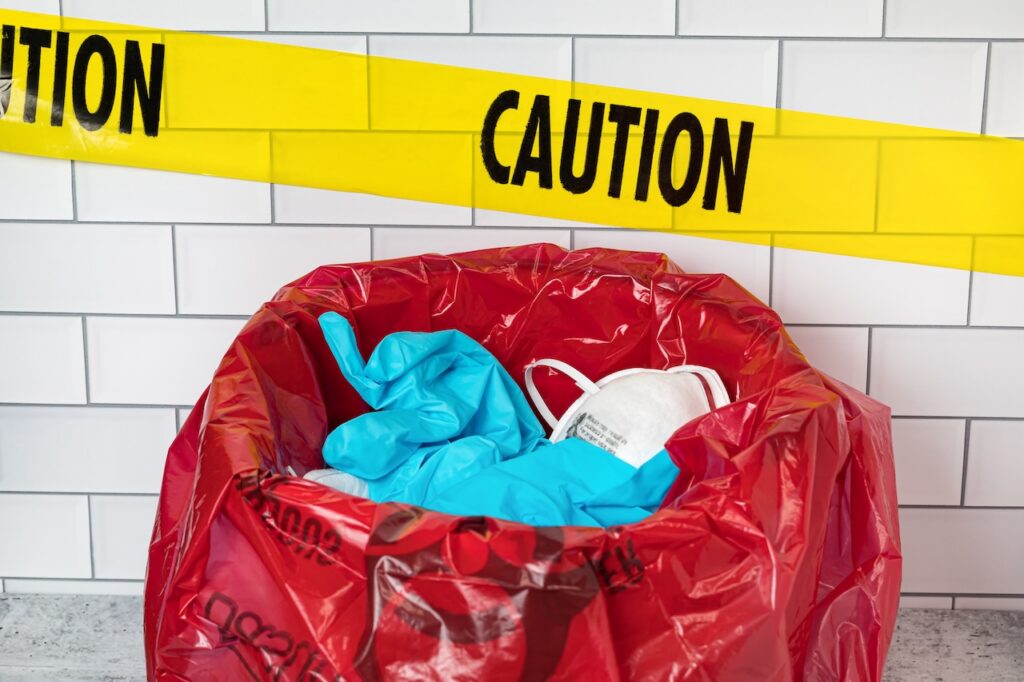
When dealing with biohazardous materials, ensuring the safety of workers and the environment is paramount. The correct use of biohazard personal protective equipment (PPE) plays a crucial role in reducing the risks of exposure to hazardous pathogens, chemicals, and other harmful agents.
In this guide, we will explore the types of PPE required for various biohazard scenarios, correct procedures for donning and doffing PPE, maintenance, and compliance requirements.
Understanding the Importance of Biohazard Personal Protective Equipment

Biohazard PPE is mandatory to protect oneself and others from potential contamination.
Biohazard cleanup involves handling materials that may carry harmful bacteria, viruses, or toxic chemicals. Biohazard personal protective equipment is a barrier between the worker and the hazardous materials, minimizing exposure and ensuring safe work conditions.
Types of Personal Protective Equipment for Biohazard Cleanup
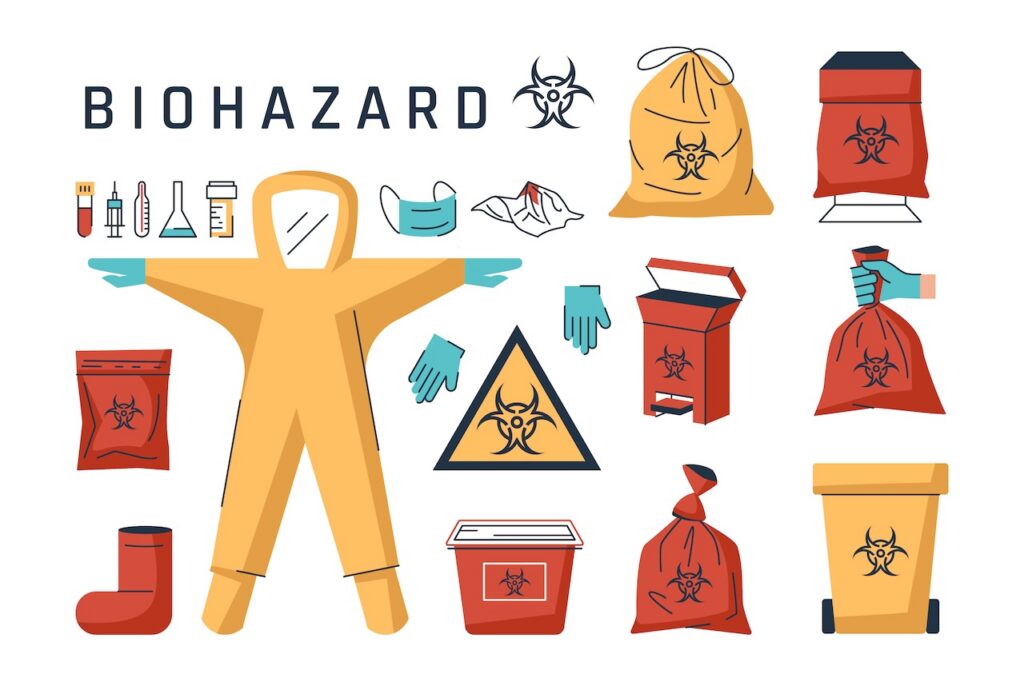
Biohazard cleanup requires various types of PPE depending on the hazard level.
Here’s a breakdown of the essential types of biohazard PPE:
- Respiratory Protection: Respirators protect against airborne contaminants, including viruses and toxic chemicals. For biohazard cleanup, a full-face respirator or powered air-purifying respirator (PAPR) is often recommended, depending on the nature of the hazard.
- Protective Suits: Protective suits provide full-body coverage, preventing skin exposure to harmful substances. These are typically made from impermeable materials, such as Tyvek or rubber, which protect against liquids, bloodborne pathogens, and other harmful biohazardous agents.
- Gloves: Gloves are critical to prevent hand contact with hazardous materials. Latex, nitrile, or neoprene gloves are commonly used, depending on the nature of the material being handled. Double gloving is often recommended for added protection in high-risk environments.
- Eye and Face Protection: Goggles or face shields are necessary to protect the eyes and face from splashes, which can occur during cleanup operations. Eyes are highly susceptible to exposure, and a direct splash can lead to infection or contamination.
- Foot Protection: Boot covers or specialized biohazard footwear prevent contamination from spreading through contact with hazardous materials. These should be waterproof and resistant to chemical penetration.
Correct Donning and Doffing Procedures for Biohazard PPE
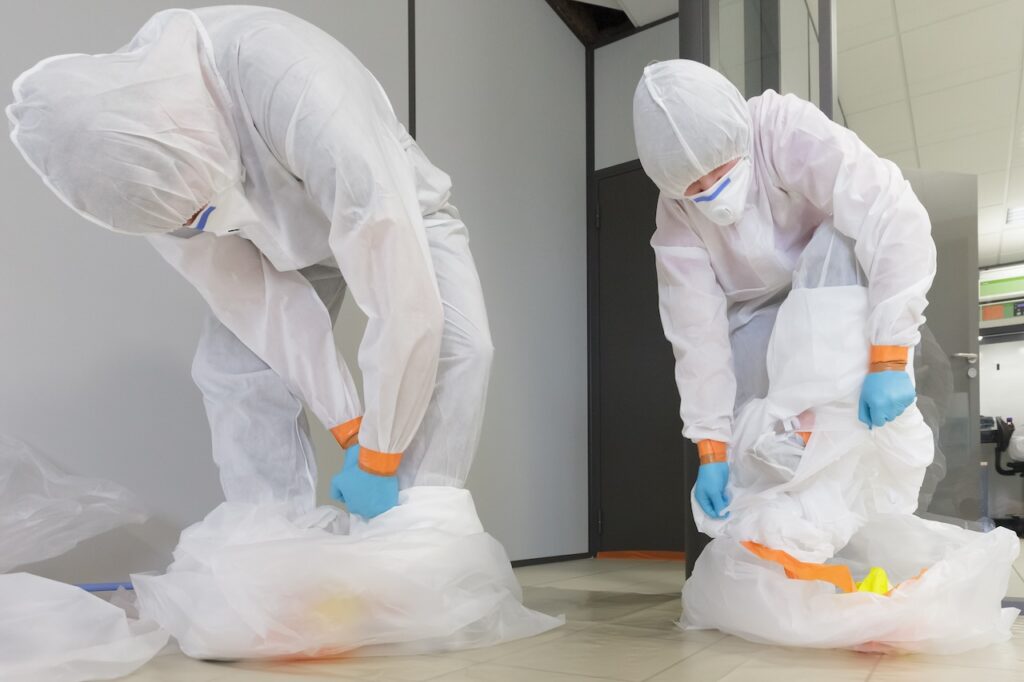
Donning and doffing PPE properly is critical to avoiding contamination.
Donning (putting on) and doffing (removing) PPE properly is needed to prevent exposure, even if the correct PPE is worn.
Donning Procedure:
- Hand Hygiene – Clean hands thoroughly before putting on any PPE.
- Gown/Body Suit – Put on the protective suit, ensuring it covers your entire body.
- Respirator – Place the respirator snugly over your nose and mouth, ensuring a proper seal.
- Gloves – Put on gloves, ensuring they cover the cuff of your suit sleeves. If using double gloves, ensure the outer layer is secured over the first layer.
- Eye/Face Protection – Don goggles or a face shield as required, ensuring complete coverage.
Doffing Procedure:
- Gloves – Remove gloves carefully, turning them inside out to avoid contamination.
- Gown/Body Suit – Undo the protective suit and peel it off, avoiding contact with the outer surface.
- Respirator – Remove the respirator without touching the front. Handle by the straps and discard if disposable.
- Hand Hygiene – Always wash your hands thoroughly after removing PPE.
Regular Maintenance and Inspection of PPE
Maintaining biohazard personal protective equipment is essential to ensure it remains effective. Disposable items should be discarded after use, while reusable equipment requires regular inspection and cleaning.
- Inspect Respirators for damage, such as cracks or worn seals, before each use.
- Check Protective Suits for tears, holes, or other signs of wear before entering hazardous environments.
- Clean Goggles and Face Shields with a disinfectant solution after every use to prevent contamination.
A robust maintenance schedule extends the life of PPE and ensures it functions correctly when needed.
Training and Compliance Requirements
Workers must receive comprehensive training to ensure the safe use of biohazard personal protective equipment. This includes:
- Proper Use and Limitations – Workers must understand when and how to use PPE effectively.
- Donning and Doffing Practices – Training on correct donning and doffing procedures is essential to avoid self-contamination.
- PPE Maintenance – Workers should be trained to inspect and maintain their equipment to ensure it remains in good condition.
- Regulatory Compliance – OSHA (Occupational Safety and Health Administration) has established guidelines for the use of PPE in hazardous environments. Employers must ensure all workers comply with these regulations to avoid penalties and ensure workplace safety.
Why Choose PuroClean of Northeast Houston-Beltway for Biohazard Cleanup Services?
Handling biohazard cleanup requires expertise, specialized equipment, and strict adherence to safety protocols. PuroClean of Northeast Houston-Beltway is a professional biohazard cleanup service that provides comprehensive solutions for various hazardous situations, including crime scene cleanups, medical waste disposal, and trauma scene cleaning.
Why PuroClean?
- Certified Professionals – Our team is trained and certified in biohazard cleanup and follows all OSHA guidelines to ensure safety.
- Advanced Equipment – We use the latest equipment and cleaning techniques to guarantee a thorough and safe cleanup.
- 24/7 Emergency Services – Biohazard situations can arise unexpectedly, and we are available around the clock to assist.
When you need a reliable and professional biohazard cleanup service, contact PuroClean of Northeast Houston-Beltway at (713) 250-8800 to handle the job safely and efficiently.