


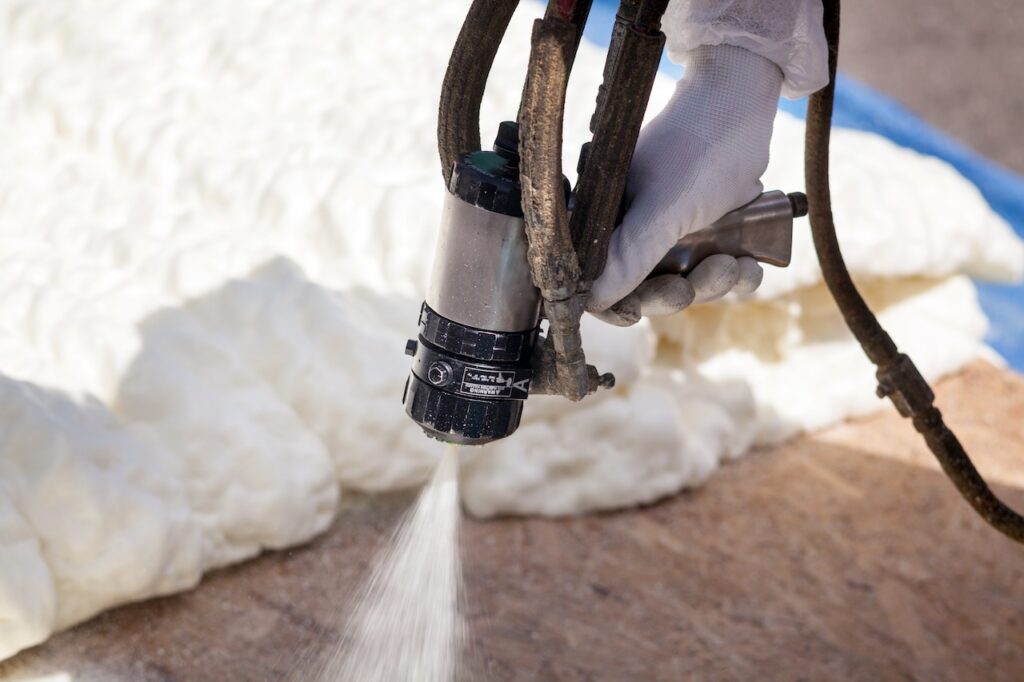
Spray foam insulation is popular for homeowners looking to improve energy efficiency. But what happens when your spray foam insulation gets wet? While it’s known for its durability, water damage can compromise its effectiveness.
Wet spray foam insulation can lead to reduced insulation performance, mold growth, and even structural issues. In this article, we’ll dive into identifying water damage in spray foam, drying, and repair processes, ensuring proper insulation performance, and strategies to prevent future water problems.
What Happens When Spray Foam Insulation Gets Wet?
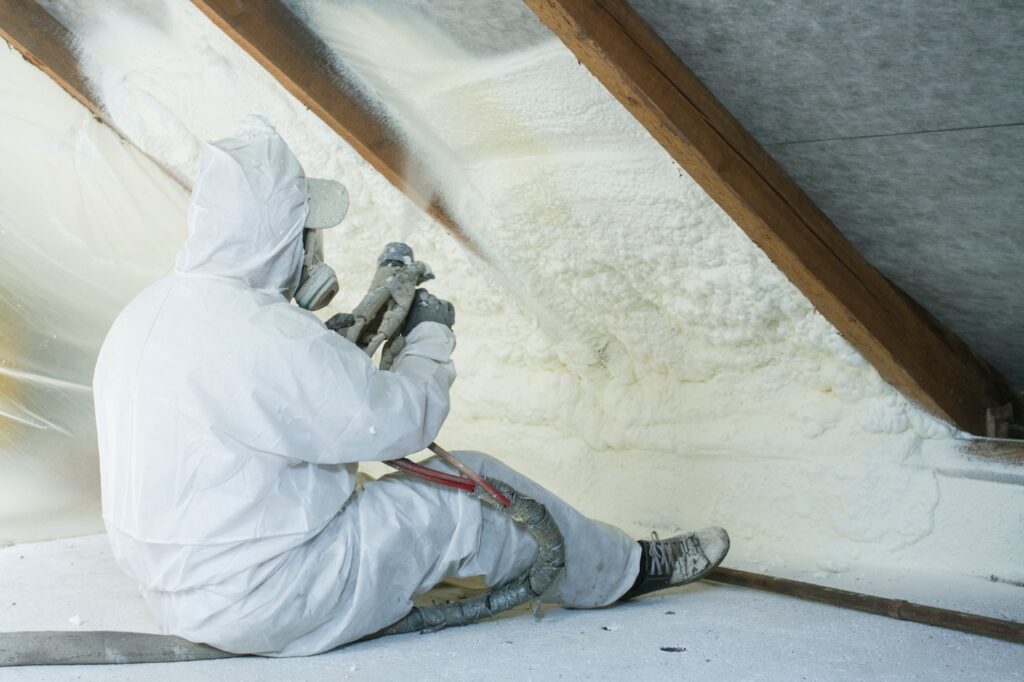
Enough exposure to water can still damage spray foam insulation over time.
While spray foam insulation is designed to resist moisture, significant water exposure can cause severe damage. Wet spray foam insulation can lose its thermal resistance, leading to higher energy bills and a less comfortable living space. If left untreated, it can also promote mold growth, which is a health hazard. Worse yet, water-soaked insulation can even cause structural damage to your home over time.
How to Identify Water Damage in Spray Foam Insulation
Detecting water damage early can save you from costly repairs. Here are a few signs to look out for:
- Musty odors: Mold growth can lead to a damp, unpleasant smell.
- Discoloration: Stains or changes in the color of your walls or ceiling could indicate water damage behind the insulation.
- Soft spots or sagging walls: Water-saturated insulation can affect the integrity of the walls, causing them to feel soft or sag.
- Increased energy bills: If your home feels less insulated or your heating/cooling costs rise, it could be due to compromised insulation performance.
If you spot any of these signs, address the issue immediately.
Drying Wet Spray Foam Insulation: The First Step in Repair
Drying wet spray foam insulation is crucial to prevent long-term damage. Unlike some traditional insulation types, such as fiberglass, spray foam won’t always need to be replaced entirely if it gets wet.
Here’s what you should do:
- Locate the source of water: Whether it’s from a roof leak, plumbing issue, or flood, fixing the water source is your priority to stop further damage.
- Use ventilation to dry out the area: Allowing the area to dry naturally with ventilation is key. You can also use dehumidifiers and fans to speed up the process.
- Remove any damaged material: If parts of the spray foam insulation are soaked or moldy, they need to be removed and replaced.
- Monitor for mold: Even after drying, it’s important to check for mold growth, as this can pose health risks.
Repairing Damaged Spray Foam Insulation

If only a small section is affected, a professional can replace the damaged portion without the need for a complete redo.
A professional can repair damaged spray foam insulation by:
- Cut out the damaged insulation.
- Clean and prepare the area for new foam.
- Apply new spray foam to fill the gap.
- Seal the area to ensure no future moisture gets in.
This process ensures the insulation regains its original thermal efficiency.
Ensuring Proper Insulation Performance Post-Repair
Once your spray foam insulation is repaired, it’s important to ensure it continues performing at its best. Here’s how you can do that:
- Seal all leaks: After repairing, make sure that any leaks or cracks that allow water in are sealed. Water intrusion can quickly ruin the repair work, whether it’s a leaky roof or plumbing.
- Reassess insulation levels: Post-repair, confirm your home’s insulation levels still meet the recommended standards for your area. Sometimes, additional insulation may need to be added.
- Check air circulation: Proper ventilation is vital to keeping moisture levels low inside the home, especially in attics and crawl spaces where moisture tends to accumulate.
Strategies to Prevent Future Water Issues in Spray Foam Insulation
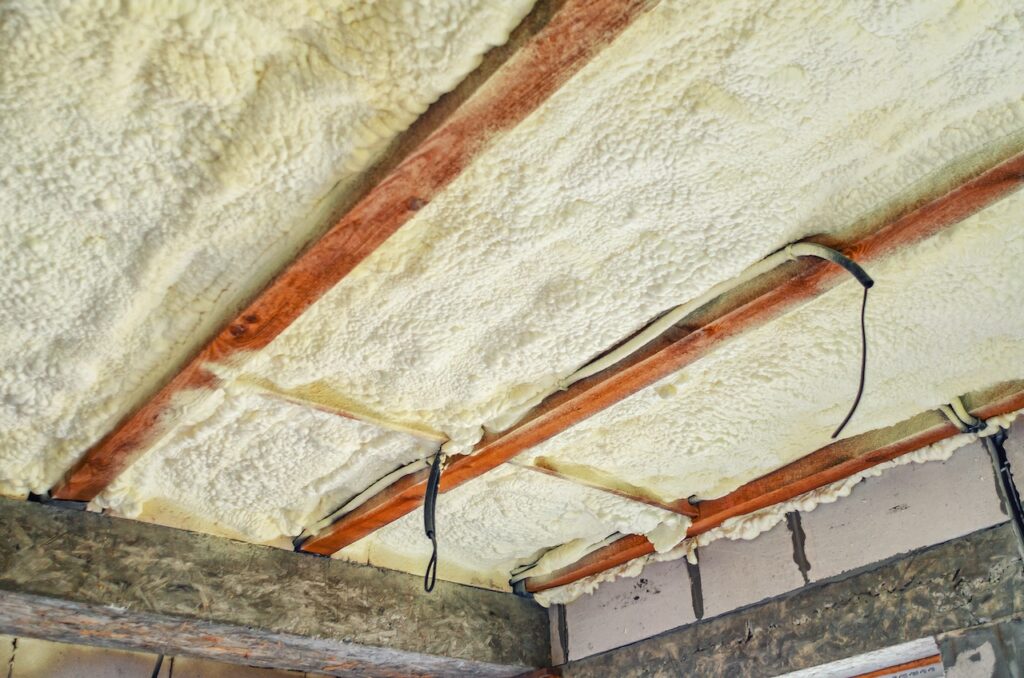
Inspect your roof regularly for any signs of wear, leaks, or missing shingles.
Prevention is always better than a cure. To keep your spray foam insulation in top condition and avoid water-related issues, follow these preventative strategies:
- Regular roof inspections: Your roof is the first line of defense against water damage.
- Proper ventilation: Ensure that your home’s attic and crawl spaces are well-ventilated to prevent excess moisture from accumulating.
- Gutter maintenance: Clean your gutters regularly to avoid water buildup that could seep into your walls and affect the insulation.
- Foundation checks: Cracks in your foundation can allow water to seep into your home. Regular inspections can help you spot issues before they cause damage.
- Plumbing maintenance: Fix any leaking pipes or faucets as soon as possible to prevent moisture from affecting your insulation.
The Importance of Professional Help for Water Damage Restoration
Water damage can be tricky to handle, especially regarding insulation. If you suspect your spray foam insulation has been compromised by water, it’s wise to contact a professional service. This is where PuroClean of Northeast Houston-Beltway comes in.
With years of experience in water damage restoration, we can quickly assess and repair the damage, ensuring your home remains safe and energy-efficient. Our team uses advanced technology to detect hidden water damage and ensure the problem is fully resolved. Contact us today at (713) 250-8800 for expert water damage restoration services.