24/7 Emergency Services For Water, Fire, Mold and Biohazard in Attic Mold Cleanup Sugar Land
Attic mold cleanup in Sugar Land addresses mold growth caused by roof leaks, excess humidity, condensation, poor ventilation, HVAC moisture, and improperly vented exhaust systems. Mold may grow on roof decking, rafters, insulation, drywall, stored belongings, and other attic materials before becoming visible inside the living area. PuroClean of Sugar Land provides professional attic mold inspection, containment, cleanup, moisture assessment, and restoration support for homes and commercial properties throughout Sugar Land and surrounding communities.
Successful attic mold remediation requires more than treating visible discoloration. The affected materials, extent of contamination, and underlying source of moisture must be identified. Correcting the moisture problem is essential because mold may return when roof leaks, ventilation deficiencies, or elevated humidity remain unresolved.
Attic Mold Cleanup Guide
Attic mold cleanup is the professional process of identifying mold-affected areas, containing contamination when necessary, cleaning or removing affected materials, and addressing the moisture conditions that allowed mold to develop. The appropriate approach depends on the extent of growth, materials involved, moisture source, accessibility, and condition of the attic.
An attic can contain several mold-supporting materials, including wood roof decking, framing, insulation facing, paper-backed drywall, dust, and stored contents. Mold may grow across visible surfaces or remain concealed beneath insulation, around roof penetrations, behind equipment, and inside poorly ventilated sections.
Professional remediation focuses on both contamination and moisture. Cleaning visible mold without repairing a roof leak, controlling condensation, or correcting ventilation problems may provide only temporary improvement.
Sugar Land’s warm, humid conditions can contribute to elevated moisture inside attic spaces. Mold growth generally occurs when moisture remains present long enough to support microbial activity. Some problems develop suddenly after a storm or plumbing failure, while others result from gradual condensation or insufficient ventilation.
Damaged shingles, deteriorated flashing, failed roof penetrations, clogged drainage systems, and storm damage can allow water to enter the attic. Even a relatively small roof leak may repeatedly wet roof decking or insulation without creating an immediately visible ceiling stain.
Warm, moisture-laden air may accumulate in an attic when airflow is restricted. Persistent humidity can create damp surface conditions on wood, fasteners, ductwork, and insulation.
Blocked soffit vents, insufficient roof ventilation, incorrectly installed insulation, or unbalanced airflow may prevent humid air from escaping. Ventilation problems can affect the entire attic or create localized pockets of trapped moisture.
Bathroom fans, kitchen exhaust systems, and clothes dryers should discharge outdoors. When an exhaust duct terminates inside the attic or becomes disconnected, it can release warm, humid air directly into the space.
Air handlers, ducts, drain pans, refrigerant lines, and condensate systems located in the attic may produce moisture when insulation is damaged or drainage components fail. Condensation can affect surrounding insulation, decking, framing, and ceiling materials.
Water lines, fire-suppression piping, water heaters, and other plumbing components may be routed through an attic. A slow leak can remain concealed, while a ruptured line can quickly saturate a large area. Related losses may require burst-pipe water-damage cleanup in Sugar Land.
Strong wind and heavy rainfall may force water beneath roofing materials or through vulnerable penetrations. Storm-related moisture should be investigated even when visible interior damage appears limited.
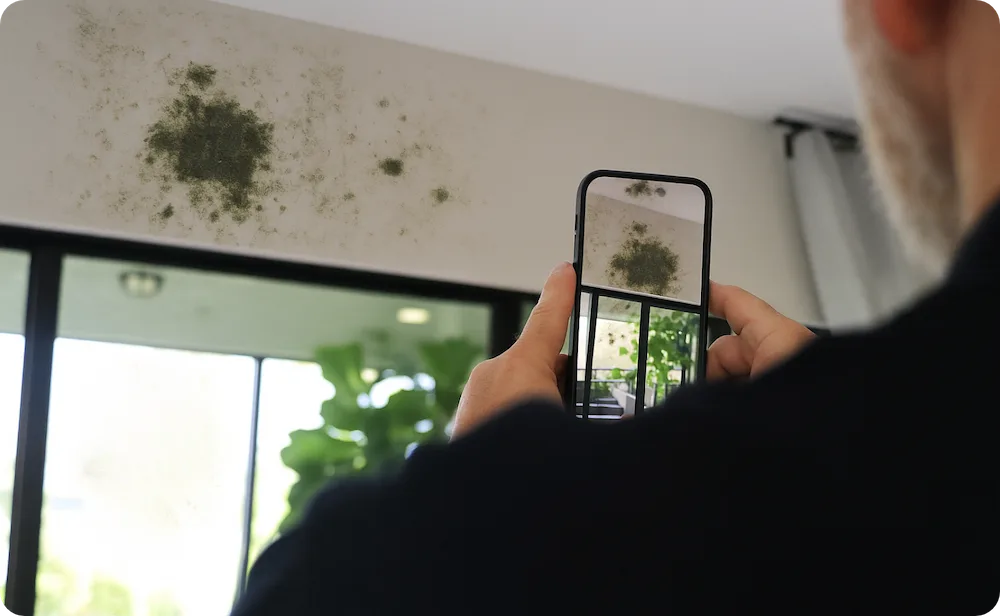
Attic mold often remains unnoticed because many property owners rarely inspect the space. The presence of one sign does not automatically confirm the full scope of contamination, but recurring moisture symptoms warrant professional assessment.
Mold appearance varies according to the surface, moisture conditions, and length of time involved. Visual appearance alone should not be used to determine the type, severity, or appropriate remediation method.
Attic mold may continue spreading while the moisture source remains active. Wood framing and roof decking can experience staining or deterioration after prolonged exposure to moisture. Wet insulation may lose effectiveness, and damp building materials can contribute to persistent odors and poor indoor conditions.
Air also moves between attics and occupied areas through openings around fixtures, ductwork, access panels, wiring, and wall cavities. This movement makes it important to contain disturbance and avoid uncontrolled cleaning methods that could spread dust or spores.
Delaying assessment can also increase the eventual scope of work. A localized roof leak may become a larger restoration project when moisture travels through insulation and ceiling assemblies. Prompt emergency water removal in Sugar Land can help limit damage when active water is present.
An attic mold inspection should evaluate more than visible growth. The objective is to understand where moisture originated, how far it traveled, which materials are affected, and whether conditions remain active.
The assessment may include:
Moisture meters and other detection methods can help locate damp materials that are not visibly wet. If a recent water loss has affected multiple areas, professional water extraction services in Sugar Land may be needed before remediation proceeds.
The exact remediation plan depends on the affected materials and conditions found during assessment. PuroClean develops a site-specific scope designed to address contamination while limiting unnecessary disturbance to unaffected areas.
The attic is evaluated to identify visible contamination, moisture patterns, affected materials, ventilation concerns, and possible water sources. Active leaks should be stopped before or alongside remediation.
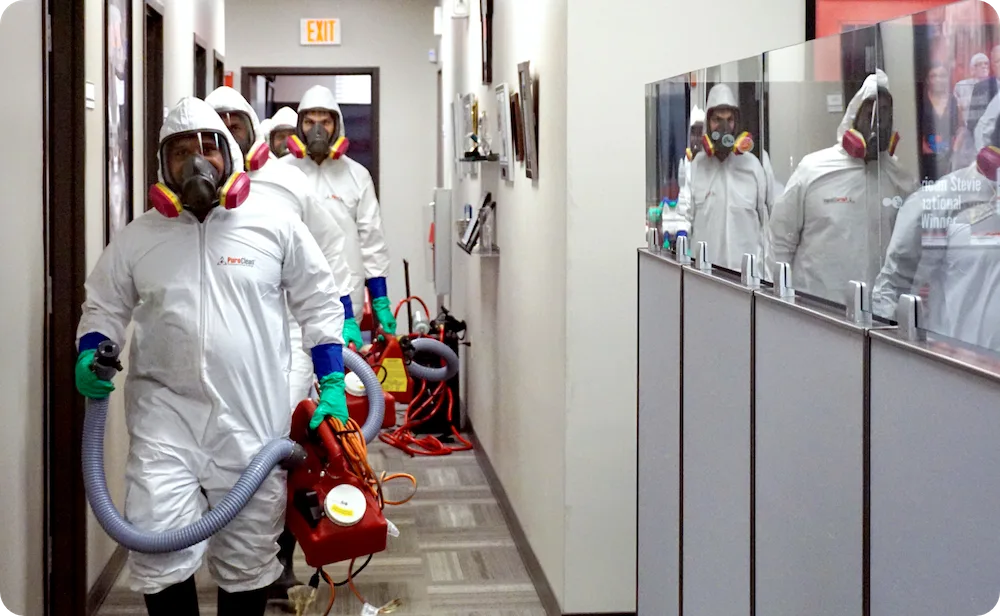
Access to the affected area may be restricted. Containment and air-management measures can help reduce movement of dust and contaminants into occupied spaces during cleaning or material removal.
Stored items and insulation are assessed according to their condition and proximity to contamination. Some porous materials may not be suitable for restoration after substantial mold growth or prolonged saturation.
Materials that cannot be effectively restored may require controlled removal. This can include sections of insulation, drywall, or other porous components, depending on the loss.
Professional equipment and remediation methods are used to collect airborne particles and clean affected surfaces. The objective is source removal rather than simply covering stains or masking odors.
Damp materials must be dried to appropriate conditions. Drying methods may include controlled airflow, dehumidification, extraction, and continued moisture monitoring.
After remediation and drying, the affected area is reviewed to determine whether additional repairs, insulation replacement, ventilation work, roofing corrections, or reconstruction are needed.
Properties with specialty finishes, valuable contents, or more complex restoration requirements may also benefit from our luxury mold removal services in Sugar Land.
Owned & Operated by Nilo Quiroz & John Villon
2245 Texas Drive, Sugar Land, TX, 77479
(281) 916-2002
 Dewalt
First Colony
Four Corners
Greatwood
Missouri City
New Territory
Sienna Plantation
Sugar Land
Town West
Trammels
Dewalt
First Colony
Four Corners
Greatwood
Missouri City
New Territory
Sienna Plantation
Sugar Land
Town West
Trammels
Water damage can result from unexpected leaks, flooding from storms, plumbing failures, or appliance malfunctions. Our certified teams focus on rapid water removal, drying, and stabilization to help prevent further damage and mold growth.
 Explore Our Water Damage Mitigation Services
Even after a fire is extinguished, smoke, soot, and odor can continue to affect your home. Fire damage restoration services address visible damage while also helping reduce lingering effects that impact indoor air quality and surfaces.
Explore Our Fire and Smoke Damage Restoration Services
Mold often develops as a result of unresolved moisture or hidden water damage. Professional mold remediation helps identify affected areas, contain growth, and restore healthy indoor conditions.
Explore Our Mold Removal and Remediation Services
Biohazard situations, including crime scene cleanup and virus decontamination, require specialized cleaning and handling to protect health and safety. Biohazard cleanup services address contamination using proper protocols and professional care.
Explore Our Biohazard Cleanup Services
In some cases, property damage requires repairs beyond cleanup and mitigation. Reconstruction services help restore damaged areas of the home after water, fire, or other incidents, supporting a smoother transition from damage to recovery.
Explore Our Reconstruction Services Services
Commercial Damage Restoration
Explore Our Commercial Damage Restoration Services
Water damage can result from unexpected leaks, flooding from storms, plumbing failures, or appliance malfunctions. Our certified teams focus on rapid water removal, drying, and stabilization to help prevent further damage and mold growth.
Explore Our Water Damage Mitigation Services
Find answers to common questions about our services
Mold returning after DIY remediation is likely if the underlying moisture problem is not. Professional remediation includes moisture control measures and post-remediation verification to reduce this risk significantly.
A small, contained project may take only a few days, while large-scale contamination can take weeks. The timeline depends on the extent of damage, materials affected, and whether reconstruction is required.
Mold remediation may require partial relocation or temporary closure of affected areas. Containment zones and HEPA air scrubbers minimize disruption, and many properties remain partially usable during the process
Professional technicians at PuroClean of Sugarland South use tools such as moisture meters, infrared cameras, and air sampling to detect moisture where mold colonies may be found. Identifying hidden mold is critical, as untreated areas can continue to spread contamination.
Early indicators include musty odors, visible patches of discoloration on walls or ceilings, and unexplained allergy-like symptoms among occupants. Mold may also hide behind wallpaper, under flooring, or inside HVAC systems
What Our Customers Say:
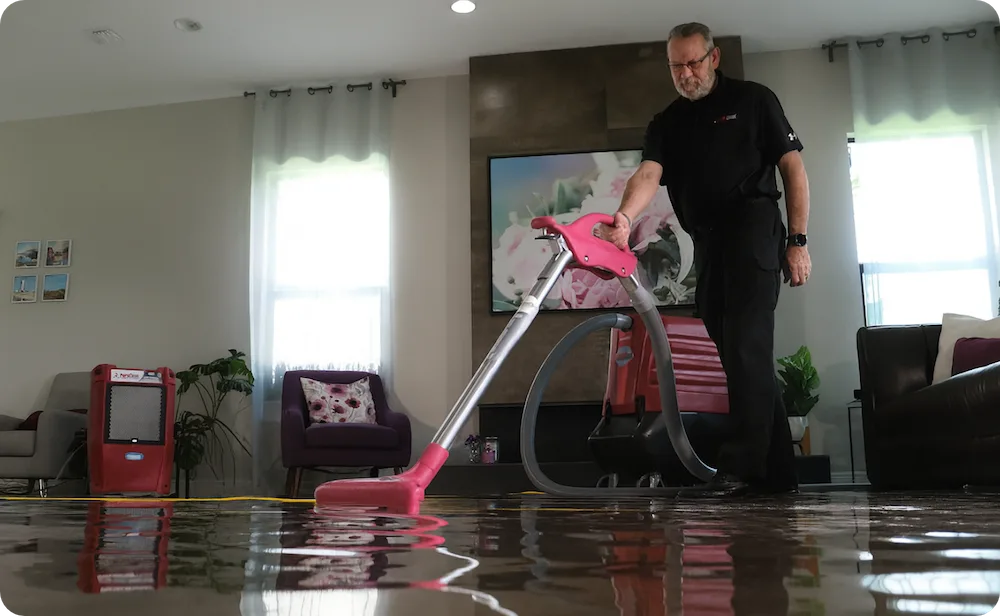
When you need water damage restoration services near you, call the experts at PuroClean. We are here day or night, 24/7, to help remove any standing water quickly and begin your water restoration service. We monitor the drying process so you can rest assured that your property is dried thoroughly. We offer commercial water restoration services for businesses and residential water damage restoration for homeowners.

PuroClean of Sugarland South
(281) 916-2002
2245 Texas Drive, #300, Sugar Land, TX 77479


© 2026 PuroClean. All Rights Reserved.