


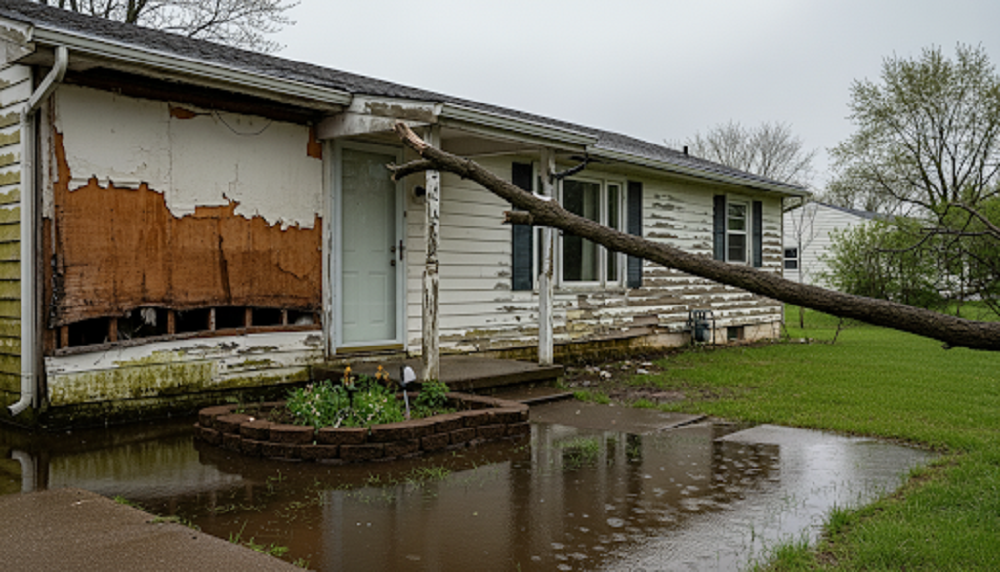
Michigan restoration companies bring something different to the table, and a lot of it comes down to experience with moisture, freeze-thaw cycles, and surprise spring weather. These conditions shape how we respond and what we expect when we’re called out to a home or building. In early April, we’re moving into the season when frozen pipes have already thawed, snowmelt is pressing against foundations, and warmer air starts to stir up whatever was hiding during the winter months. This is the time when quiet damage comes to the surface and restoration calls start to increase.
At this time of year, quick response is only part of what matters. Knowing how spring affects Michigan homes helps us figure out what the real problem is, not just the symptoms. We’re familiar with what freeze patterns do to a roof, how shifting temperatures affect indoor air, and why a damp smell in a basement in early spring could point to snowmelt, not an active leak. That kind of insight matters more when everything starts to thaw.
Understanding Local Weather and Home Impact
Michigan weather doesn’t stay the same for long. Year after year, we watch how it wears down roofs, seeps into crawl spaces, or finds its way into walls. The cycle of snow, ice, rain, and wind means every season leaves something behind, especially for homes tucked into older neighborhoods or those with large trees and shady yards.
Some of the weather-related problems we deal with often include:
- Ice dams that back up under shingles and flood attics and walls
- Basement leaks or seepage when snowmelt has nowhere else to go
- Flash flooding during spring storms that push water into low-lying entry points
- Humidity changes that warp floors, invite mold, or weaken drywall
The timing of these problems matters. A basement that’s dry in February might be wet by April. Ice that stayed quiet in roof valleys all winter can suddenly cause water to drip in once the freeze ends. Local knowledge helps us read the signs and respond faster, with less guesswork.
Familiarity with Michigan’s Building Materials and Structures
Homes across Michigan tend to follow certain patterns. We see a lot of full basements, older attics, and early construction materials that aren’t used much anymore. Many homes are set up for cold winters but face hidden risks when spring moisture arrives.
That shapes the way we approach restoration. It’s not just about fixing water damage, it’s about knowing how different materials play a part. For example:
- Basements in Michigan often use poured concrete or fieldstone, and both react differently to water pressure
- Older homes may have plaster walls behind drywall, which affects how moisture spreads
- Wood-framed attics hold moisture if poorly ventilated, especially after rapid snowmelt
- Local siding types, like aluminum or traditional cedar, respond differently to frost and thaw
When we walk into a home, we don’t just see the damage, we know how these homes were built and what they’re likely to hide. That makes our work more accurate and often prevents future problems from starting again.
Response Time and Seasonal Readiness
Spring in Michigan doesn’t follow a clean calendar. One day it’s dry and bright, the next it’s storming and soggy. That swing means we have to be ready before the weather shifts. When rain starts hitting frozen ground or thawed soil turns soft, water moves fast, and homeowners sometimes don’t see it until it’s already inside.
That’s why being local helps. We’re tuned in to forecast shifts and know when our area usually sees a spike in water calls. We don’t wait for the phones to ring before we prep for what’s coming. That way, when someone calls because their basement is flooding or their roof just started leaking, we’re ready to go without delay.
This timing matters even more in spring. Moisture that sits too long, especially in wall cavities or carpeted rooms, can lead to mold. Quick response helps stop that cycle before it starts. And our crews know which parts of a house are most likely to hide spring moisture based on years of doing this work in Michigan.
Interactions with Insurance and Local Regulations
Dealing with damage is already stressful. Piling on paperwork and permits only makes it harder. That’s where knowing how Michigan insurance and permit rules work really pays off. We’ve walked through hundreds of property claims and understand how adjusters expect things to be documented or explained.
Permits and local inspection rules change between cities and counties. It’s easy to miss a step if you don’t know what’s required in Livingston County versus somewhere closer to Detroit. Getting those approvals moving early makes the entire restoration faster and less of a hassle.
We’ve also learned which repairs get flagged during inspections and how to manage small hiccups that can slow a project down. Being familiar with the process helps everything stay on track so repairs can focus on the house, not just the paperwork.
Why Local Knowledge Matters More in April
This time of year is when homeowners start noticing issues that weren’t obvious during the colder months. Cracks appear in basement walls, air smells different in certain rooms, and wet spots show up in places that felt dry all winter. But April isn’t only a season of discovery, it’s when problems that built up quietly can do the biggest damage.
Michigan restoration companies have the advantage of knowing how to spot these changes quickly. We’ve seen how April humidity starts rising fast, how rain pushes into siding gaps, and how unfinished basements become trouble spots faster than people expect.
Our team is trained to use advanced moisture meters and infrared cameras, detecting hidden water problems before they can spread. As a result, restoration is not just fast, but thorough, ensuring your home is clean, dry, and protected against spring’s unique challenges.
The difference comes down to more than speed. It’s about knowing homes here inside and out. It’s about understanding the way weather hits them year after year, and being prepared for what spring brings before it gets worse. That kind of awareness is something you only get from working here, season after season.
Spring’s warmer weather can reveal hidden water issues that winter left behind, so acting now helps you avoid bigger problems down the road. Our team at PuroClean of Howell has seen how easily small leaks can escalate, especially in homes built for Michigan’s cold but not always its spring thaw. Trusting experienced Michigan restoration companies who know what to look for means getting fast, expert help before minor issues become major headaches. Let us take a closer look and help protect your home this season.