


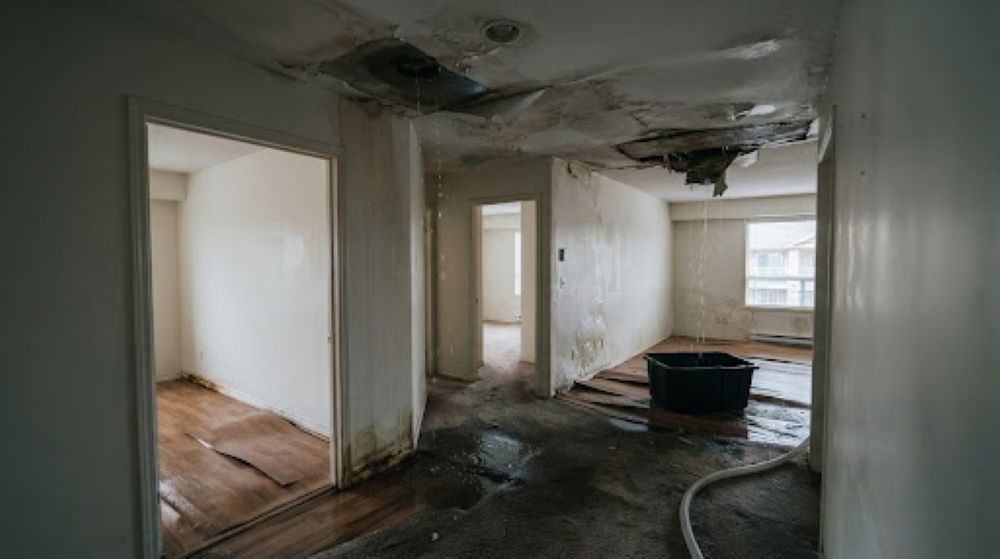
Property damage in a condo feels different than damage in a single-family home. You are not just thinking about your own walls and floors; you are also thinking about neighbors on the other side and above and below you. One leak, one fire, or one storm issue can spread through several units and shared areas very fast.
In a condo building, you share walls, hallways, elevators, roofs, parking areas, and building systems. That means a single problem can affect many families and slow down daily life for the whole community. A professional property damage restoration team can help keep things under control, limit the spread of damage, and work with your condo association so the building gets back to normal as quickly and safely as possible.
What Every Michigan Condo Owner Should Know After Damage
When water, fire, or storm damage hits a condo, it is rarely only one person’s problem. Instead of one structure on one lot, you have:
- Shared walls and ceilings between units
- Common hallways, stairwells, and elevators
- One roof covering many homes
- Shared plumbing, electrical, and HVAC systems
If a pipe breaks in a top-floor unit, water can travel into several condos and into common spaces. If a fire starts in one kitchen, smoke can move through vents, hallways, and stairwells. Restoration in this setting needs quick, coordinated action.
A trained property damage restoration team works to:
- Stabilize the loss area quickly
- Protect nearby units and common areas
- Communicate with the association, property manager, and insurance carriers
That mix of speed and coordination is especially important in metro Detroit condo communities where units are often close together and fully occupied.
How Condo Insurance, HOA Rules, and Restoration Work Together
One of the most confusing parts of condo damage is figuring out whose insurance covers what. Most condo buildings have:
- A master policy held by the condo association
- An HO-6 policy held by each unit owner
The master policy usually covers common elements such as:
- Exterior structure and roof
- Hallways, lobbies, and shared rooms
- Some parts of plumbing and electrical that serve multiple units
Your HO-6 policy is usually for:
- Interior finishes like flooring, cabinets, and paint
- Personal belongings
- Certain fixtures inside your unit
The gray areas can be tricky, such as:
- Plumbing inside walls that only serve your unit
- Electrical lines behind shared walls
- Window frames versus glass
- Original finishes versus upgrades you added later
Because of this, it helps to review your bylaws and insurance policies before anything goes wrong. When a loss happens, a clear understanding of coverage helps the restoration team move faster, avoid delays, and document things properly for the right insurance companies.
Once a loss happens, the property damage restoration process in a condo usually follows these basic steps:
- Inspection and safety check
- Documentation of damage with photos and moisture readings
- Mitigation, such as water removal, drying, or securing fire-damaged areas
- Cleanup of soot, odors, debris, and any contaminated materials
- Reconstruction of damaged walls, ceilings, and finishes
In a multi-unit building, this often requires access to neighboring units to check shared walls or ceilings. A good restoration team stays in close contact with the association, property manager, and affected residents so everyone understands timelines, access needs, and safety steps.
Water, Fire, Mold, Health, and Seasonal Risks in Michigan Condos
Condo water damage in Michigan often comes from everyday items and systems, including:
- Washing machines and dishwashers
- Refrigerator water lines
- HVAC condensate lines
- Roof leaks and wind-driven rain
- Fire sprinkler system discharges
Even a small leak can run along shared framing and appear in units far from the original source. Quick water removal and structural drying help stop this spread and lower the chance of mold.
Fire damage in a condo is rarely limited to one space. A small cooking fire can send smoke and odors through:
- Shared ventilation and ductwork
- Hallways and elevator shafts
- Stairwells and common rooms
Soot and smoke residues can settle in nearby units even if there are no visible burn marks. Cleanup usually includes careful surface cleaning, odor removal, and air filtration.
When moisture is not handled quickly, mold can grow in hidden condo areas, such as:
- Behind shared walls and ceilings
- Around windows and sliding doors
- In attics or shared utility spaces
Mold can spread into more than one unit, which makes prompt professional help very important so the building and its residents stay safe.
Health and safety issues can also come from biohazard situations like sewage backups, unattended deaths, or trauma scenes. In a condo, special care is needed because neighbors are close by. Restoration teams may set up:
- Containment barriers to keep affected areas separated
- Air filtration units to help clean the air
- Safe foot traffic routes so residents can move around the building
Trained technicians follow state and industry guidelines and pay extra attention to children, older adults, and anyone with breathing issues who might be more sensitive to dust, odors, or cleaning products.
Michigan weather also plays a big part in condo damage. In summer and fall, severe storms can bring heavy rain and strong winds that damage roofs, windows, and upper-level units. In winter and spring, frozen pipe bursts, ice damming on roofs, and snowmelt can affect several floors and shared areas at once. Regular maintenance and seasonal inspections with a trusted property damage restoration partner help condo boards and managers spot weak spots early and reduce building-wide disruptions.
How PuroClean of Howell Supports Condo Communities
As a local team serving the metro Detroit area, we know how fast condo damage can spread and how stressful it is for everyone involved. We offer 24/7 emergency response so we can start mitigation as soon as it is safe. That quick action helps protect both individual units and common areas.
We work closely with:
- Condo boards and associations
- Property managers and maintenance staff
- Insurance adjusters and multiple carriers when needed
Our services include water, fire, mold, biohazard cleanup, and reconstruction, and we tailor our work to the unique needs of condo buildings. From planning access to arranging elevator use and protecting shared hallways, we focus on limiting disruption while still doing thorough, careful work.
Frequently Asked Questions About Condo Property Damage Restoration
How Is Property Damage Restoration Different in a Condo vs. a House?
In a condo, restoration must account for shared walls, ceilings, and building systems, plus association rules and master insurance coverage. Technicians coordinate with the association, property manager, and neighboring units to help prevent further spread of damage and to keep common areas safe and accessible.
Who Do I Call First When My Condo Has Water or Fire Damage?
Start by making sure everyone is safe, then call a 24/7 property damage restoration company like PuroClean of Howell. Next, notify your condo association or property manager and your insurance carrier so they can start their processes while the restoration team begins mitigation and documentation.
What If Damage Starts in a Neighbor’s Unit but Affects Mine?
Report the issue right away to your condo association or management and document any visible damage in your unit. A restoration company can check how far moisture, smoke, or mold has spread, including in shared walls or ceilings, while responsibility for costs is usually worked out between insurance carriers based on your bylaws and policies.
How Fast Should Restoration Start After a Loss?
Mitigation should start as soon as it is safe to enter the unit, often within hours. Quick action helps limit structural damage, reduce the chance of mold growth, and keep smoke or odors from spreading to other parts of the building.
Can I Stay in My Condo During Restoration Work?
It depends on the type and extent of damage. For smaller losses, you may be able to stay with some areas sealed off, but more serious fire, water, mold, or biohazard situations may call for temporary relocation. Your restoration team and insurance carrier can help you decide what is safest for you and your family.
Get Started With Your Project Today
When property damage disrupts your home or business, we are ready to respond quickly and help you move forward with confidence. Learn how our property damage restoration services can limit further damage and restore your space as efficiently as possible. Reach out to PuroClean of Howell so we can assess your situation, explain your options, and provide a clear plan. If you are ready to talk with our team, please contact us today.