


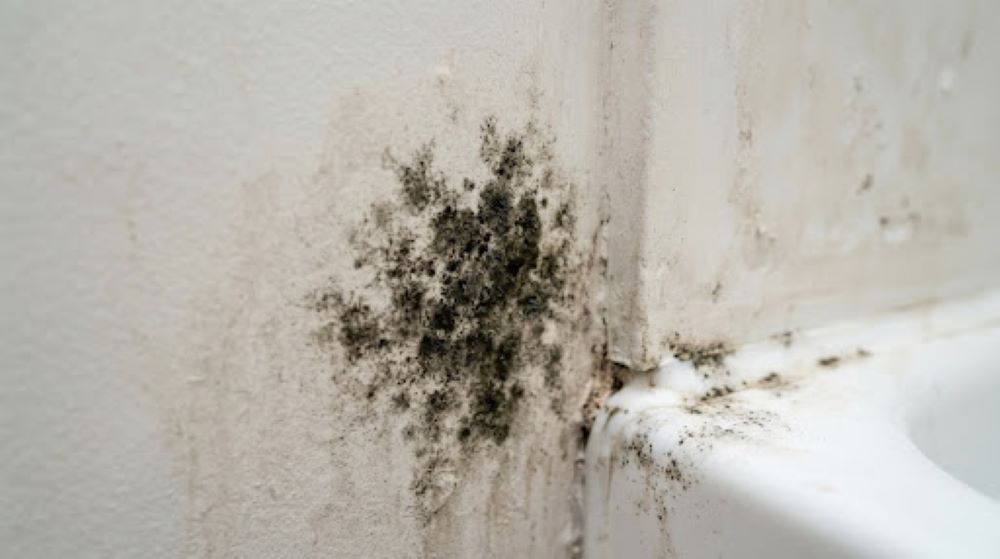
Spot the Difference: Protect Your Living Spaces from Hidden Mold
Noticing random spots on a wall or couch right before guests come over can be stressful. Is it just dirt from everyday life, or is it mold starting to spread in your living room? Many homeowners across the Howell and metro Detroit area see marks in their main living spaces and are not sure what they are looking at.
Being able to tell mold, mildew, and ordinary dirt apart matters for your health, comfort, and home value. Mold can affect indoor air quality, cause stubborn odors, and damage surfaces if it is not handled correctly. Dirt is usually only a cleaning issue, but mold often points to a moisture problem that needs attention.
Warm, humid late summers in Michigan, along with heavy AC use and closed windows, create a perfect setup for moisture to collect in living spaces. That is why growth can show up on walls, furniture, and window areas so quickly. This room-by-room visual guide is meant to give you practical ways to spot trouble early and know when it is time to bring in professional residential mold remediation.
Mold Vs. Mildew Vs. Dirt: Simple Visual Checks That Work
First, it helps to know what you are looking at in simple terms.
- Mold: Often fuzzy or slimy patches, can be black, green, brown, or other colors, may look raised, and often comes with a musty smell. It can sink into surfaces instead of sitting on top.
- Mildew: Usually flat, thin, and powdery or slightly fluffy. Often gray, white, or light brown. Common along window tracks, shower curtains, and damp corners.
- Dirt: Usually brown or earth-toned and tied to traffic or contact. It wipes off more easily and does not smell musty.
Some quick at-home checks, without scraping or scrubbing:
- Look at the pattern: Mold and mildew tend to form clusters, spots, or irregular patches. Dirt often looks like streaks, smudges, or fingerprints.
- Notice the location: Is it near windows with condensation, a past leak, an AC unit, potted plants, or pet bowls? Moisture sources point more toward mold or mildew.
- Smell the area: A strong, stale, or musty odor is a warning sign that it might be mold, not simple dirt.
What you should avoid:
- Do not aggressively scrub, sand, or scrape suspicious spots. This can release more spores into the air.
- Do not use bleach on porous materials like drywall, wood, or fabric. It can make things look better for a short time but leave mold roots behind.
- Do not ignore spots that keep coming back or spread beyond a small area.
If growth is larger than a small patch or reappears after cleaning, it is safer to have a professional inspection and, if needed, residential mold remediation.
Living Rooms, Dens, Kitchens, and Bedrooms: Room-by-Room Clues
In living rooms and dens, you often see confusing marks where people gather and relax. Some common mold look-alikes include smudges on walls, dusty ceiling fans, and stains near windows or patio doors.
On painted walls and ceilings:
- Mold: Often shows as irregular circles, clusters of dots, or shadowy patches that seem to spread slowly. It may feel slightly raised and come with a musty smell.
- Dirt: Looks more like obvious fingerprints, soot, or scuff marks, often along hallways or behind furniture. It usually wipes off with normal cleaning.
On upholstered furniture and throw pillows:
- Mold: Dark, clustered dots or patches, sometimes greenish or black, with a stubborn musty odor.
- Dirt: Mostly around armrests, headrests, or foot areas. It often lightens with gentle surface cleaning.
On area rugs and curtains:
- Mold: Irregular dark areas, soft-edged patches, or spots that look like they are bleeding into the fibers.
- Dust or dirt: More even, especially in traffic paths or near floor vents. Usually lifts with vacuuming or washing.
Warning signs in these rooms that call for a professional look include:
- Musty odors that do not go away after regular cleaning
- Discoloration that keeps returning near windows or exterior walls
- Visible growth larger than a standard letter-sized sheet of paper
- Coughing, congestion, or irritation that feels worse at home and better when you are away
Kitchens and dining areas are busy, warm, and moist, which makes them common areas for mold and mildew to start. Steam from cooking, dishwasher cycles, drink spills, houseplants, and pet bowls all add moisture and organic material.
Around sinks and faucets:
- Mildew: Often shows up as a light gray or white film around caulk and along seams. It usually stays close to the caulk lines.
- Mold: Darker, thicker patches that may extend beyond the caulk and creep onto nearby surfaces.
- Dirt: Brownish or yellowish grime that wipes away with basic cleaner and has no musty smell.
Behind and under appliances:
- Mold: Dark, fuzzy, or slimy patches near condensation lines, past leaks, or damp flooring.
- Greasy dirt: Sticky yellow or brown buildup, often without odor, that feels like kitchen grease.
On dining chairs and tables, especially wood:
- Water rings and dark staining around edges can hint at deeper moisture inside the wood, not just surface dust.
In late summer, extra humidity from cooking with windows closed and steady AC can trap moisture in these spaces. If cooking smells fade but musty odors grow stronger on humid days, or spots return even after cleaning, that is a good time to consider a focused inspection and residential mold remediation plan.
Bedrooms and closets are all about soft surfaces and stored items, which mold can easily settle into if moisture and low airflow are present. Common trouble spots include window frames, mattress edges, headboards, walls behind dressers, and crowded closets.
On bedding and mattresses:
- Mold: Small, clustered dark or greenish dots, sometimes in groups, with a stubborn musty odor that does not fade.
- Dust: Light gray and loose, usually lifting when you vacuum.
- Sweat stains: Yellow or tan areas that are flat and do not feel fuzzy.
On closet walls and shelving:
- Mildew: Flat, spotty gray or white growth that sits close to the surface.
- Mold: Darker, irregular patches that may slowly spread across corners or along seams.
- Dust: Even coating that wipes off in one smooth pass.
On clothing, shoes, and bags:
- Mold: Scattered dark speckles or fuzzy patches, especially on leather, canvas, cotton, and items pressed against walls.
- Dirt: In expected wear areas such as cuffs, hems, knees, or soles.
Red flags here include:
- Clothes or linens that smell musty even right after washing and drying
- Sore throat, headaches, or stuffy nose that feel worse at night
- Visible growth behind furniture against exterior walls
- Multiple closets with similar staining or odor patterns
Bathrooms, hallways, and entries are everyday paths through the home, so it can be easy to miss slow changes.
In bathrooms:
- Shower grout and caulk: Light gray or spotty marks that respond to normal cleaning are often mildew. Black, expanding, or raised looking patches that keep coming back after cleaning may be mold.
- Ceilings and exhaust fan covers: Scattered dots or cloudy gray areas above the shower or around the fan can point to moisture that is not venting well.
In hallways and entry spaces:
- Door frames, trim, and baseboards: Linear marks that match where shoes, bags, or vacuum cleaners hit are usually dirt or scuffs. Irregular patches that creep up corners or along trim, especially with a musty odor, are more concerning.
- Around windows and doors: Condensation can feed mold. Dark spots on sills, frames, or nearby walls that grow or spread are more worrisome than a simple layer of dust.
If you see visible growth covering more than a small area, staining in multiple rooms at the same time, or spots that reappear soon after cleaning, it is smart to get a professional mold inspection and, if needed, residential mold remediation so the moisture source can be found and corrected.
When to Get a Professional Mold Inspection
Across all your living spaces, some clear signs mean it is time to bring in help:
- Spots that spread quickly across walls, ceilings, or soft furnishings
- Strong musty odors that you cannot trace or remove with regular cleaning
- The same stains returning in the same places again and again
- Coughing, sneezing, or other irritation that improves when you are away from home
- Any known leaks, storm damage, or plumbing problems that touched your living areas
During a professional visit, you can expect a careful visual review of your living spaces, checks for moisture in materials, and a plan based on what is found. If mold is confirmed, trained technicians can set up containment so spores are not spread, remove affected materials safely, and clean and dry the area. If needed, they can also help with reconstruction and recommendations to keep moisture under control as seasons change.
Frequently Asked Questions About Mold in Living Areas
How Can I Tell If a Spot Is Mold or Just Dirt?
Mold usually forms irregular, clustered patches that may look fuzzy or slightly raised and often comes with a musty odor. Dirt tends to follow contact patterns, like streaks from hands or shoes, and wipes away more easily without leaving a lingering smell.
Is It Safe to Clean Suspected Mold Myself?
Small, surface-level spots may be manageable with gentle cleaning and basic protective gear, but larger areas or growth that keeps returning should be checked by a professional. Improper cleaning can release more spores into the air and make the problem worse.
When Do I Need Professional Residential Mold Remediation?
You should consider professional residential mold remediation if you see widespread or recurring growth, notice strong musty odors, experience health symptoms that improve when you are away from home, or know you have had a leak or moisture issue in your living spaces.
Can Mold Grow on Furniture, Rugs, and Curtains?
Yes, mold can grow on porous materials like upholstery, area rugs, and curtains when moisture and poor airflow are present. Dark, clustered spots, a musty smell, or discoloration that does not respond to normal cleaning are common signs.
How Can I Reduce the Risk of Mold in My Living Spaces?
Try to control indoor humidity, dry spills quickly, use exhaust fans and dehumidifiers when needed, and keep air moving with ceiling or portable fans. Regular cleaning around windows, vents, and soft furnishings also helps, and if you spot suspicious areas or odors, a professional inspection can catch problems before they spread.
Protect Your Home and Health With Expert Mold Cleanup Today
If you have spotted signs of mold, now is the time to act before it spreads and causes more damage. At PuroClean of Howell, we provide detailed inspections and proven residential mold remediation to restore a safer environment in your home. Our team responds quickly, explains each step, and works to minimize disruption to your daily routine. Reach out today to discuss your situation and schedule service, or contact us with any questions.