Hidden Mold Threats Michigan Homeowners Cannot Ignore
Mold loves Michigan homes. Our humidity, lake-effect weather, and constant freeze-thaw cycles give moisture lots of chances to slip into places it does not belong. Even when surfaces look dry, tiny pockets of damp air and hidden leaks can let mold grow out of sight.
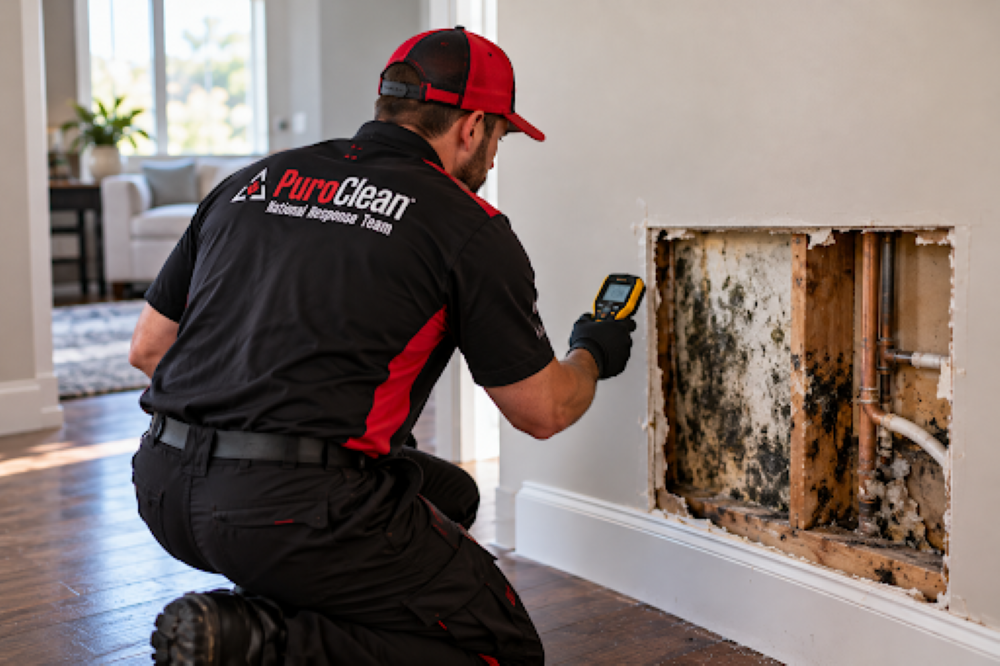
Many people think mold only shows up in the obvious spots they can scrub, like shower walls or window sills. In reality, it often hides behind finishes, under fixtures, and inside building cavities. Normal cleaning cannot reach those areas, which means the mold keeps coming back. As professionals who handle mold removal in Michigan homes every day, we know that finding and removing those hidden colonies makes all the difference for your home and your health.
Sneaky Mold in Kitchens and Bathrooms
Kitchens and bathrooms are moisture central. Water is constantly running, splashing, and evaporating, which makes them common mold hotspots.
Slow leaks and damp spots around sinks and fixtures are a big problem. A tiny drip under the sink, a loose faucet seal, or a sweating pipe inside a cabinet can keep wood and particleboard damp for a long time. Signs to watch for include:
- Warped or bubbled cabinet floors
- Swollen or soft areas around sink bases
- Musty or earthy smells when you open the cabinet
- Discolored or crumbling caulk around sinks and faucets
When we respond to these issues, we rely on moisture meters and careful inspection instead of tearing out big sections blindly. We focus on the wet materials, remove what cannot be saved, and dry what can, while trying to keep your kitchen or bathroom as intact as possible.
Showers, tubs, and tiled walls can also hide mold. Daily steam and splashes can push water through cracked grout, loose tiles, and gaps around the tub. That moisture often ends up behind the tile or surround, where it soaks into drywall or backer board. Early warning signs include:
- Cracked or missing grout lines
- Soft, spongy walls when you press around the tub or shower
- A mildew smell that stays even right after cleaning
In situations like this, we may need to carefully remove tile or wall panels, open the wet area, dry the framing, and apply antimicrobial treatments. The goal is to stop the mold, fix the moisture path, and rebuild so the problem does not return.
Appliances are another sneaky source. Dishwashers, refrigerators with ice makers, and washing machines can leak just enough to wet nearby flooring and wall materials without making a puddle. As professionals, we often:
- Pull appliances forward to check behind and underneath
- Test moisture levels in flooring, baseboards, and nearby walls
- Remove damaged materials and dry the structure before mold spreads
Quick action around these appliances helps protect both your indoor air and your home’s finishes.
Mold Lurking in Walls, Ceilings, and Attics
Michigan winters bring snow, ice dams, and roof leaks that are not always obvious. When ice dams form along the roof edge, water can back up under shingles and seep into the attic or ceiling cavities. You might notice:
- Yellow or brown stains on ceilings
- Peeling or bubbling paint on upper floors
- A musty smell, especially after a thaw or heavy snow
For this kind of problem, we use tools like infrared cameras to map where the moisture traveled, remove wet insulation, and dry wood framing before treating affected surfaces.
Interior walls can also hide mold. Leaky plumbing lines, condensation on cold water pipes, or wind-driven rain that sneaks around window openings can all feed mold between the drywall and the studs. Hints of hidden mold inside walls include:
- Slightly bowed or rippled wall surfaces
- Discolored or swollen baseboards
- Recurring allergy or breathing issues that are worse in one room
Proper professional mold removal in Michigan homes means setting up containment with plastic barriers, running HEPA air filtration, and doing controlled demolition. That way, we can reach and remove contaminated materials while keeping mold spores from spreading to the rest of the house.
Attic ventilation plays a big role too. When soffit vents are blocked or insulation is installed incorrectly, moist indoor air can get trapped in the attic. When that warm, moist air hits cold roof sheathing, it creates condensation, then mold. We often see:
- Dark staining or fuzzy growth on roof boards
- Damp insulation near the eaves
- A stale, damp smell when you open the attic hatch
Cleaning the mold is only half the work. We also look at ventilation and insulation patterns so the attic can stay dry in future seasons.
Windows, Doors, HVAC Systems, and Floors as Mold Hotspots
Michigan’s temperature swings can create lots of condensation around windows and doors, especially in older homes. Cool nights and warmer days can leave glass and frames wet. If that moisture seeps into the sills, trim, or surrounding drywall and does not dry fully, mold can start to grow where you cannot see it. Pros often:
- Remove or loosen trim to inspect hidden gaps
- Dry damp cavities with controlled airflow
- Seal leaks and gaps to cut down on future condensation issues
Your HVAC system can also play a part. Air conditioners, ductwork, and furnace components can collect moisture if drains clog or indoor humidity stays high. Signs to watch for:
- Musty odors when the heat or AC kicks on
- Visible dust and growth on vent covers
- More coughing, sneezing, or throat irritation when the system is running
Professional steps often include inspecting condensate pans and lines, cleaning or replacing affected duct sections, and using HEPA filtration to help clear the air during remediation.
Floors near doors and high-traffic areas can hide mold too. Wet shoes, drink spills, and seasonal humidity can all push moisture into carpet padding, wood floors, or under vinyl. Warning signs include:
- Buckling or cupping floorboards
- Soft or spongy spots when you walk
- Odors you cannot get rid of with normal cleaning
Our technicians may gently lift flooring, dry subfloors, and replace materials that are too damaged to restore safely.
Seasonal Mold Risks in Michigan’s Fall and Winter
As leaves fall, gutters clog and wet debris piles up around siding. Heavy autumn rains can then send water down exterior walls and into window and door openings. After big storms, it is smart to notice:
- New stains or peeling paint near the ceiling or along walls
- Fresh musty smells in certain rooms
- Damp areas near window sills or door frames
Professional mold removal often means checking outside as well as inside to track where water is getting in.
When cold weather hits, we tend to seal homes up tight. Closed windows, plastic film kits, and constant humidifier use can trap moist air inside. With less fresh air moving through, small mold problems can grow faster, especially:
- Around bathroom ceilings and fans
- On window frames and nearby walls
- In closets on exterior walls
Keeping indoor humidity in a moderate range and using exhaust fans during showers and cooking can help. If mold is already present, professional help is the safest choice.
Ice, snow, and constant freezing and thawing can create slow leaks in roofs and wall systems. Melting snow can find its way into tiny openings, then refreeze, pushing materials apart and letting in more water the next time. Over time, that hidden moisture feeds mold inside structural cavities long before clear damage appears. Local pros familiar with Howell and the metro Detroit area understand these patterns and can track moisture issues across seasons, not just on the day of the visit.
When to Call an Expert and Mold Removal FAQs in Michigan
Some warning signs should not be ignored:
- Persistent musty odors
- “Mildew” that keeps returning in the same spots
- Warped, stained, or soft building materials
- Headaches, congestion, or breathing issues that are worse at home
DIY cleaning is usually not enough if mold covers more than a small area, keeps coming back, or seems to be inside walls, ceilings, or other hidden spots. Waiting can let mold spread and damage more of your home’s structure.
At PuroClean of Howell, we follow a clear process for mold removal in Michigan homes and businesses. We inspect, track down moisture with professional tools, set up containment, run HEPA air filtration, safely remove contaminated materials, clean and treat remaining surfaces, and handle reconstruction when it is needed. Local building styles and weather patterns shape how we approach each job.
To help protect your home going forward, it helps to:
- Check faucets, supply lines, and appliance connections for leaks
- Watch indoor humidity levels
- Use bathroom and kitchen exhaust fans
- Keep gutters clear and make sure water drains away from the house
If you suspect mold but cannot find the source, a professional evaluation can bring answers and a clear plan.
Frequently Asked Questions About Mold Removal in Michigan
How Dangerous Is Hidden Mold in My Home?
Hidden mold can bother your nose, throat, and lungs, and may trigger allergies or asthma. Over time, it can also weaken drywall, wood framing, and finishes, which can lead to harder and more expensive repairs if it is not removed the right way.
Can I Use Bleach to Get Rid of Mold for Good?
Bleach can lighten stains on the surface, but it usually does not reach mold growing inside drywall, wood, or caulk. The growth can return quickly. Professional remediation uses tools, products, and methods designed to handle both what you can see and what is hidden.
How Do Pros Find Mold That I Cannot See?
Pros look for moisture first. We use moisture meters, thermal imaging, and sometimes small cameras or sampling to spot damp areas and mold colonies behind finishes. We also pay close attention to stains, warping, and odor patterns to track where moisture is coming from.
How Long Does Professional Mold Removal Usually Take?
The time frame depends on how far the mold and moisture have spread. A small, contained area can sometimes be handled in a day or two. Larger or more complex projects that need structural drying and repair can take several days. An on-site inspection gives a better estimate.
Will My Home Be Safe to Stay in During Mold Remediation?
In many cases, you can stay in the home while work is done, because the affected area is sealed off and air is filtered. If the problem is large or if there are health concerns, it may be safer to stay somewhere else until the work is finished. A professional can explain the options for your specific situation.
Protect Your Home With Expert Mold Removal Today
If you suspect a mold problem, now is the time to act before it spreads and affects your health or property value. At PuroClean of Howell, we provide thorough inspection, cleanup, and restoration services tailored to your specific situation. Learn how our professional mold removal in Michigan can make your home safer and healthier. Have questions or need immediate help? Contact us today to schedule your service.