Why Specialized Commercial Restoration Protects Your Bottom Line
Commercial damage restoration is different from cleaning up a small leak at home. When a store, office, school, or plant is hit by water, fire, mold, or a biohazard, the stakes are much higher. You are dealing with staff and customers, safety rules, and the need to keep your doors open as much as possible.
Every hour of delay can mean lost revenue, ongoing payroll, missed orders, and upset tenants or clients. If regulations are not followed, you can also face fines or forced closures. On top of that, word spreads fast when a building is shut down for safety reasons, and your reputation can take a hit that lasts long after the cleanup is done.
At PuroClean of Howell, we want facility managers, property owners, and business leaders around Howell, Michigan, to have a clear, simple checklist. With it, you can size up any commercial damage restoration partner and tighten your own emergency plans before fall and winter storms, freezing pipes, and power outages put more pressure on your building.
Regulatory Compliance Essentials for Commercial Sites
Commercial restoration work sits under several layers of rules. When you bring in a cleanup team, you are also bringing in their safety habits and their paperwork, which can help protect you.
Key areas that touch commercial damage restoration include:
- OSHA rules for worker safety, including ladders, chemicals, confined spaces, and electrical hazards
- EPA guidelines, along with Michigan EGLE requirements, for handling and disposing of contaminated water and materials
- Local building and fire codes that apply to repairs, temporary power, fire alarms, and sprinkler systems
- Extra rules for certain settings, such as healthcare, food service, education, and manufacturing
A qualified commercial damage restoration partner does not guess at compliance. They show it. That usually includes:
- Written job-specific safety plans
- Hazard communication sheets for products used on-site
- Permits and inspection reports for repairs where required
- Waste transport records for materials that might be hazardous
Before an emergency hits, you can ask for proof that a team is truly ready. A practical compliance checklist includes:
- Up-to-date licensing and general liability insurance
- Training records and certifications for key staff
- Clear respirator fit testing and personal protective equipment protocols
- Vendor prequalification forms if your company uses them
- Documented experience working with local code officials and insurance carriers
When these pieces are in place early, it is much easier to defend your decisions if questions ever come up after a loss.
Containment and Environmental Controls That Limit Disruption
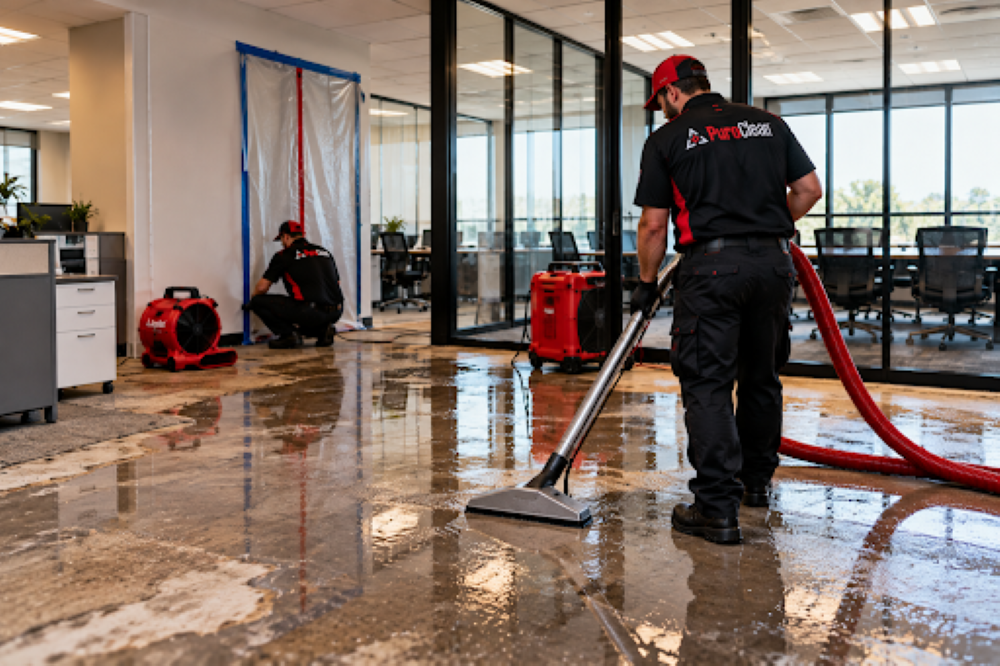
In a commercial setting, proper containment is one of the best tools to keep your operation going while restoration takes place. It is more than taping up some plastic. Good containment separates clean and affected zones so people and contaminants do not mix.
Strong containment often includes:
- Physical barriers that close off damaged areas from workspaces and public areas
- Clear entry and exit points for the restoration team
- Negative air pressure in the affected zone so dust, smoke, or spores do not drift out
- Access control to limit who can enter and when
Environmental controls are just as important. While the work is going on, you still need safe indoor air and stable conditions for equipment, inventory, and finishes. Common controls include:
- HEPA air filtration to capture fine particles and many airborne contaminants
- Odor and smoke control steps to help spaces become usable sooner
- Humidity management to support structural drying and help guard against mold growth
- Ongoing monitoring of moisture and temperature to protect electronics, records, and building materials
With smart planning, much of the work can happen in phases. Crews can often:
- Work during off-hours or weekends in high-traffic zones
- Focus first on critical paths, such as production lines or main corridors
- Shift containment as areas are cleaned and cleared
This kind of approach lets some parts of the facility stay open safely while other areas are under controlled restoration.
Business Continuity Planning Before a Disaster Hits
Storms, ice, snow load on roofs, and power outages are a fact of life in Michigan. That means water intrusions, frozen lines, smoke from electrical issues, and structural damage are real risks for commercial properties in our area. Waiting to think about business continuity until after a loss puts you in a hard spot.
A strong continuity plan gives you a playbook so you are not scrambling. Key pieces include:
- A short, prioritized list of your critical operations and spaces
- A communication tree that covers leadership, staff, tenants, and key vendors
- Clear locations for data backups and who can access them
- Up-to-date contact lists for insurance, IT, security, and a pre-selected commercial damage restoration company
- Options for alternate worksites or remote work if parts of your building cannot be used
A pre-disaster site assessment with a restoration partner can speed response when something happens. During that visit, you can document:
- Floorplans and typical room uses
- Water, gas, and main power shutoff locations
- Alarm codes and access instructions for after-hours
- Agreed response protocols for the first 24 hours
That early planning helps control the size of the loss, gives you quicker, safer decisions, and can support a smoother claim process.
Choosing a Commercial Restoration Partner You Can Trust
Not every restoration provider is prepared for the demands of a commercial loss. When you are evaluating partners, look beyond simple cleaning and drying tools.
Helpful traits to look for include:
- True 24/7 live response, not just an answering machine
- A local presence in or near Howell, so crews know the area and weather patterns
- A proven portfolio of commercial work, not only residential projects
- Technicians trained in industry standards for water, fire, and mold cleanup
- Full-service support, from emergency response and cleanup through reconstruction
Good project management can make or break your recovery. You should expect:
- Detailed written estimates with clear scopes of work
- Realistic timelines and open discussion of possible delays
- Regular progress updates, including photo documentation
- Direct coordination with your insurance carrier and property managers
Added-value services can help shrink your downtime window. These often include:
- Contents cleaning and secure storage for furniture, stock, and equipment
- Odor removal for smoke or microbial smells
- Structural drying to protect walls, floors, and ceilings
- Reconstruction planning that lines up with your operational priorities
The goal is not only to clean the damage, but also to help you return to safe, steady operations as quickly as possible.
Turn Today’s Checklist Into Tomorrow’s Recovery Plan
When you line up regulatory compliance, smart containment, and real business continuity planning, you give your property a clear recovery roadmap. That preparation reduces confusion in the first hours after a loss and helps protect people, property, and your good name.
We encourage business owners and facility managers to turn this checklist into a written plan. Assign internal roles, confirm your critical vendors, and build a relationship with a trusted restoration provider before you need them. At PuroClean of Howell, we work with local companies to complete pre-loss consultations and site walk-throughs so they can test and strengthen their readiness before peak storm and freeze seasons arrive.
Frequently Asked Questions About Commercial Damage Restoration
How Is Commercial Damage Restoration Different From Residential Work?
Commercial damage restoration usually involves larger spaces, more complex building systems, stricter regulatory requirements, and a stronger need to keep part of the facility operating. It also often requires coordination with multiple stakeholders, including employees, tenants, insurers, and local officials.
Why Is Containment so Important in a Commercial Loss?
Containment helps keep contaminants such as smoke particles, mold spores, or biohazards from spreading into clean areas. In a commercial setting, this protects staff and customers, guards inventory and equipment, and can allow parts of the business to stay safely open during restoration.
How Does a Restoration Company Support Business Continuity?
A qualified restoration company helps you build a pre-disaster plan, responds quickly at any hour when damage occurs, and organizes work in phases so critical areas can reopen as soon as it is safe. They also coordinate with your insurance carrier and assist with documentation to support claims and reduce downtime.
What Should I Ask Before Hiring a Commercial Restoration Provider?
Ask about their commercial experience, training and certifications, local response time, licensing and insurance, and how they handle safety and compliance. It is also smart to request references from other businesses and confirm they will provide written estimates and clear communication throughout the project.
How Often Should We Review Our Commercial Emergency Plan?
Review your emergency and continuity plans at least once a year and any time there are changes to your floor layout, equipment, vendors, or key personnel. Many Michigan businesses choose to update plans before the fall and winter seasons, when the weather-related risks and power outages are more likely.
Protect Your Commercial Property With Expert Restoration Today
When damage disrupts your building, we act quickly to limit downtime and protect your investment. Our commercial damage restoration services are tailored to the unique needs of businesses, from initial assessment through final cleanup. At PuroClean of Howell, we coordinate each step so you can focus on running operations, not managing a disaster. If you are facing water, fire, or other property damage, contact us today to get a prompt, professional response.