


Stop Small Leaks Before They Become Major Disasters
A tiny drip behind a kitchen sink or bathroom fixture can look harmless. The floor may feel fine, the wall may look normal, and life goes on. Then one day the cabinet bottom sags, the floor starts to ripple, and you catch a strong musty smell that will not go away.
Hidden water damage behind walls and under finished flooring is risky because it works in silence. It can spread sideways, weaken wood and drywall, and give mold the damp space it loves. If you wait too long to report or address it, insurance may not cover everything, and repairs can grow larger than expected.
We want to walk you through how these leaks start, how to spot early warning signs in different rooms, what simple checks you can safely do, and when it’s time to bring in professional property damage restoration services for a full inspection and mitigation in the greater Howell and metro Detroit area.
Hidden Water Damage 101: How It Starts and Spreads
Inside a home or business, water has many chances to escape where it should not. Common hidden sources include:
- Supply and drain lines inside walls behind sinks, toilets, and dishwashers
- Appliance lines for refrigerators, dishwashers, and washing machines
- Roof or window leaks that sneak behind drywall and trim
- HVAC condensation lines and pans that overflow or clog
- Leaks around showers or tubs where grout, caulk, or seals have failed
Once water gets out, it does not stay put. It can:
- Wick into drywall, insulation, and wooden framing
- Travel sideways behind cabinets, vanities, and built-ins
- Soak structural layers beneath tile, vinyl, or hardwood
- Move downward from an upper-floor bathroom into ceilings and walls below
Time is a big factor. Constant moisture, even from a slow drip, can start mold growth in a fairly short window. Drywall can crumble, wood can swell and warp, and what began as a small repair can turn into a larger project by the time property damage restoration services are brought in.
Early Warning Signs Behind Walls and Under Flooring
You cannot see through walls, but your property gives clues. On walls and ceilings, watch for:
- Yellow or brown stains that were not there before
- Bubbling, peeling, or blistering paint
- Hairline cracks that expand or paint that looks “alligatored”
- Warped or swollen trim around doors and windows
- Darkened areas near fixtures, vents, or corners
On finished floors, pay close attention in kitchens, bathrooms, hallways, and utility rooms. Red flags include:
- Hardwood boards that cup, crown, or buckle
- Tiles that loosen, rock, or suddenly crack
- Soft or spongy spots when you walk across a section
- Gaps between floorboards that seemed tight before
- Baseboards pulling away or small gaps opening along the edge
Your nose and ears are also helpful. Signs include:
- A lingering musty or “old wet towel” smell, especially near bathrooms, laundry areas, or under sinks
- An odor that returns soon after cleaning or using air fresheners
- Faint dripping, trickling, or hissing behind walls when no fixtures are running
If you notice a pattern, even if the surface still looks mostly fine, it is worth treating it as a warning, not a minor annoyance.
DIY Checks You Can Safely Do Before Calling Pros
There are a few simple checks you can do without tearing anything open or risking more damage:
- Check your water meter when no water is in use. If it moves, something is leaking.
- Turn off all fixtures, then walk the house or building and listen for trickling behind walls.
- Compare water bills over several months for unexplained increases.
- Wrap dry paper towels around visible plumbing connections and leave them for a short time to see if they pick up moisture.
Safe physical inspections can also tell you a lot:
- Gently press on suspect drywall. If it feels soft, crumbly, or spongy, moisture may be inside.
- Run your hand along baseboards, around toilets, tubs, and under sinks to check for dampness or cool spots.
- If you have a basic consumer moisture meter, you can check accessible surfaces for elevated readings.
There are clear limits to DIY work. It is best to avoid:
- Cutting or opening walls and ceilings on your own
- Pulling up hardwood, tile, or vinyl flooring
- Running unvented heaters to “bake” an area dry
- Pointing fans directly into wall cavities without control
Aggressive DIY can spread contamination, push moisture deeper, and even complicate insurance claims. Professional property damage restoration services rely on controlled methods and monitoring to dry materials safely.
When to Call Restoration Pros and Seasonal Watchouts
At some point, the safest move is to bring in trained help. Strong “time to call” triggers include:
- Visible mold growth larger than a small patch on a hard surface
- The same spot getting wet over and over
- Warped, cupped, or soft flooring, or sagging ceilings
- A musty odor that lingers after cleaning and airing out
- Any plumbing failure, roof leak, or appliance leak that stayed wet longer than a day or two
A professional team will typically:
- Respond at any time of day or night for urgent situations
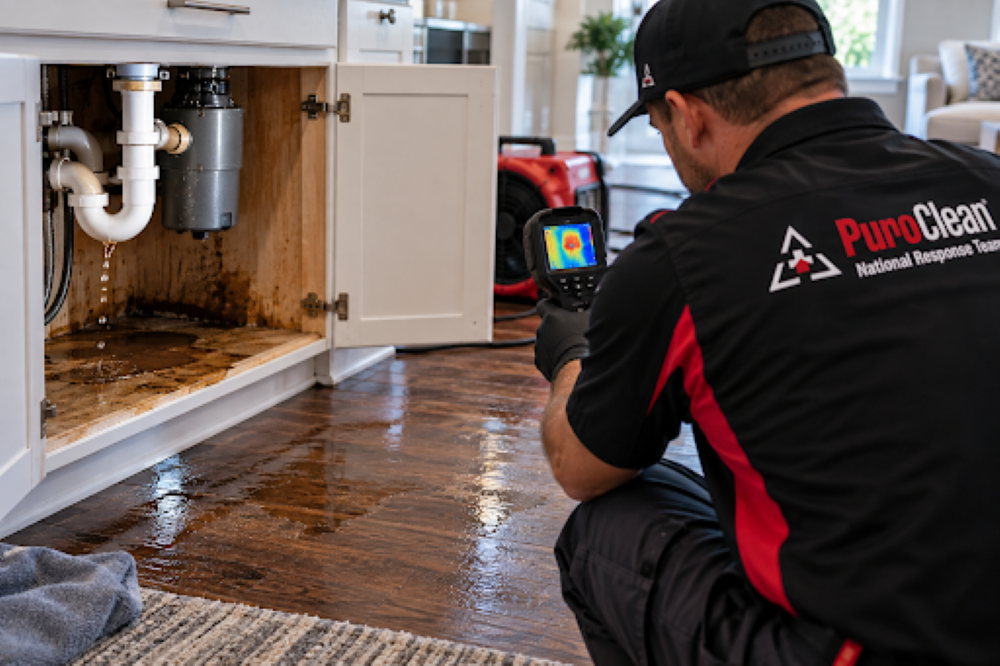
- Use moisture meters and infrared cameras to map where water has traveled
- Remove only the materials that must come out, such as sections of wet drywall or flooring
- Extract trapped water with specialized equipment
- Set up industrial-grade drying and dehumidification, and monitor progress
- Address mold growth if present and then provide reconstruction to restore walls, floors, and finishes
In the Howell and metro Detroit area, changing seasons can stress plumbing and building materials. When temperatures swing, we see more:
- Small leaks on supply lines and valves as materials expand and contract
- Humidifier and furnace condensate issues that wet nearby walls or floors
- Wind-driven rain finding weaknesses around windows, doors, and roof edges
A simple fall checklist can help:
- Scan bathrooms and kitchens for cracked grout, missing caulk, or loose fixtures
- Check laundry and utility rooms for worn hoses, rusted valves, or damp spots
- Look closely at window frames and door thresholds for peeling paint, stains, or softness
If you have had past leaks, recent roof or window work, or unexplained staining, getting a professional moisture and damage assessment before colder, stormier weather sets in can prevent surprises later.
Protect Your Investment with Fast, Informed Action
Hidden leaks are easy to ignore at first, but they put your property’s structure, indoor air quality, and long-term value at risk. Catching subtle changes on your walls, ceilings, and floors helps you act while the problem is still small.
For homeowners and business owners, the basic plan is simple: stay alert to new stains, smells, and sounds, do quick and safe checks, and avoid invasive DIY work that can make things worse or affect insurance coverage. When you see signs of hidden moisture, professional property damage restoration services like PuroClean of Howell are ready to inspect, mitigate, and restore properties across the greater Howell and metro Detroit area.
Frequently Asked Questions About Hidden Water Damage
How Can I Tell If There Is Water Damage Behind My Walls?
Look for stains, peeling or bubbling paint, warped trim, and soft spots when you press gently on the wall. Musty odors or sudden mold growth near bathrooms, kitchens, or laundry areas can also point to a hidden leak.
Is It Safe to Ignore a Small, Slow Leak?
No. Even a slow drip can keep materials damp, which can lead to mold, damaged drywall or flooring, and structural problems over time. Waiting to fix it or have it checked can also make restoration more complicated.
When Should I Call Professional Property Damage Restoration Services?
Call as soon as you see visible mold larger than a small patch, recurring wet spots, warped or soft flooring, or a musty odor that does not go away. You should also call after any plumbing, roof, or appliance leak that left surfaces wet for more than a day or two.
Can I Just Dry the Area with Fans and Dehumidifiers Myself?
Household fans and dehumidifiers can help dry surfaces you can see, but they often cannot reach moisture hidden inside walls, beneath finished flooring, or in insulation. Professionals use specialized drying equipment and monitoring to make sure materials are fully dried.
What Will PuroClean of Howell Do During a Water Damage Visit?
We inspect the affected areas, use moisture meters and other tools to find hidden water, remove standing or trapped moisture, and set up professional drying and dehumidification. If mold is present, we address it and then provide reconstruction services to restore damaged walls and floors.
Get Started With Your Project Today
If your home or business has been affected by water, fire, or mold, our team at PuroClean of Howell is ready to help you recover quickly and safely. Learn more about our comprehensive property damage restoration services and how we can tailor a plan to your situation. We will walk you through every step, from assessment to cleanup, so you are never left guessing about what comes next. To discuss your needs or schedule service, please contact us today.