 PuroClean of Howell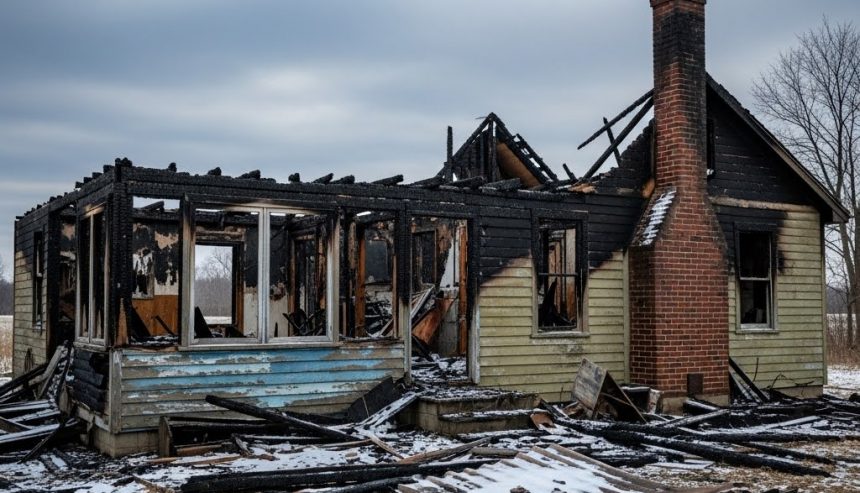
Fire restoration cleaning is more than a quick sweep after the flames are put out. Once the smoke clears, what’s left behind can be damaging in ways that aren’t always clear right away. From walls soaked with smoke to soot in the air ducts, the damage often runs deeper than most would expect.
It’s tempting to want to jump back in and get things back to normal quickly, especially in a space that feels like home. But before that can happen, we take a careful look at what the fire really left behind. Cleaning up is about safety, structure, and comfort. What we focus on next is how trained help makes that possible, especially during the colder stretch of winter in Michigan when fire-related damage and residue can linger longer in sealed-up homes or buildings.
First Steps After the Fire is Out
Reentering a home or building too soon after a fire can be dangerous. Air quality can be poor, and some materials inside may be unsafe to touch or move. We begin by making sure the site is stable and that returning won’t put anyone at risk.
Before anything gets cleaned, we:
- Check the structure to make sure walls, ceilings, or floors aren’t at risk of collapse
- Open windows and help ventilate the space so that trapped smoke and fumes can begin to clear
- Keep damaged areas contained to limit spreading soot and ash
This first pass helps shape the plan for what needs to be cleaned, replaced, or removed. It also lets us spot any quick hazards like wet wiring, broken glass, or falling debris that should be handled right away. Making these careful checks first helps keep everyone safe during the rest of the process and prevents accidental injuries or extra damage.
What Smoke Leaves Behind
Fire doesn’t just leave burn marks. Smoke makes its way into fabric, sinks into wood, and clings to ceilings. The type of fire matters too. Grease fires, electrical fires, and wood-burning fires all leave behind different types of residue.
Here’s what we often find:
- Ashy buildup collecting on light fixtures, ceiling fans, or air vents
- Yellow or black staining on walls and trim where smoke settled
- Burnt smells trapped in carpet, drapes, and furniture
These aren’t just cleanup issues. Smoke particles can irritate breathing and lead to longer-term problems with indoor air. That’s one of the reasons fire restoration cleaning matters so much. Washing a surface might improve its look, but deeper cleaning is what protects the space’s health over time. Making sure smoke residue is completely removed helps prevent future damage and keeps those who live or work there healthier.
Deep Cleaning Walls, Floors, and Air Systems
Walls and floors often hold onto smoke even after it seems like the smell has gone. The heat of a fire can open up pores in surfaces, allowing soot to settle in. Regular scrubbing won’t pull that residue out, especially since smoke often seeps deep into the materials, lingering for much longer than people expect.
We use careful methods to reach these deeper layers:
- Special vacuums and cleaning solutions that lift soot without damaging surfaces
- Air filtering tools that catch remaining particles still floating through rooms
- Duct cleaning techniques that move through vents and pull smoke buildup out of the system
Fire restoration cleaning also includes checking for soft spots or peeling layers that might hide more mess underneath. What’s on the surface is rarely the only area affected. Professional techniques help ensure that even hidden soot and residue are addressed, reducing odors and preventing new problems like mold from developing later on.
Handling Water Damage From Firefighting Efforts
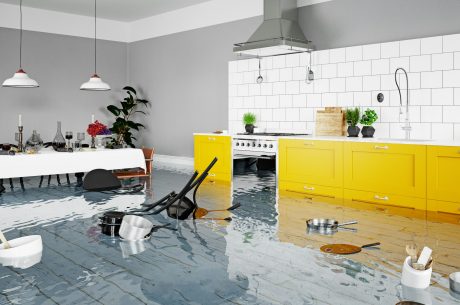
While flames burn up a part of the building, the water used to stop those flames can soak what’s left. That means cleanup often begins with drying out soaked floors, wet insulation, or dripping ceilings. If water is left to sit, it can cause additional problems, so this step is always a priority.
We typically:
- Pump out any standing water from basements, first floors, or trapped spaces
- Set up fans and drying tools to remove deep moisture
- Scan materials like drywall, wood beams, and insulation to spot water that didn’t dry properly
If water stays hidden for too long, it can lead to mold, rot, or even warped surfaces that make repairs harder later on. That’s why these steps happen early in the process. In homes and buildings across Michigan, quick drying is especially important during the cold months when homes stay closed up and moisture can linger.
Finding Damage in Hard-to-Reach Places
Not all fire or smoke damage is easy to see. Smaller rooms, enclosed crawlspaces, and attic corners can hold onto residue that spreads without ever being in plain sight. If these areas aren’t cleaned, they can become sources of bad smells or new damage.
We look at spots that are often missed:
- Check basement rafters, attic floors, and underneath staircases for soot or warping
- Use light tools and moisture meters to locate smoke or water damage behind surfaces
- Move through storage areas and closets to make sure nothing was overlooked
By walking the full space carefully, we stop problems from showing up weeks or months later when odors return or materials start to break down from ignored moisture. This step is also helpful because it ensures a more complete restoration, not just a surface-level clean.
The Importance of Certified Fire Restoration Services
Proper fire damage recovery requires more than cleaning, it demands certified and specialized techniques. At PuroClean of Howell, our team is IICRC certified, which means every restoration step meets industry standards for safety and effectiveness. We use advanced equipment for smoke odor removal and employ moisture detection tools to identify hidden water damage. Our focus is on quick response, full restoration, and protecting the structural and air quality health of your Michigan property after a fire.
Helping Spaces Feel Clean, Safe, and Livable Again
Post-fire cleanup isn’t only about removing mess. It’s about making a space feel normal again. When something damages a home or office, it changes how people feel in that place afterward. That’s why every step matters.
By completing deep fire restoration cleaning:
- We remove stains and smells that affect comfort
- We stop lingering problems like mold or poor air quality before they start
- We give people a space that’s safe to return to without reminders of the damage
A clean environment helps people move forward. After a fire, that process begins with the right cleanup, done carefully, and with the full picture in mind.
When your property in Michigan experiences smoke or fire damage, acting quickly is important. At PuroClean of Howell, we understand that some effects can linger long after the fire is out. Our thorough recovery process covers everything from air purification to inspecting hidden spaces for residual damage. Discover our complete approach to fire restoration cleaning and learn how we protect your home or business. Reach out to our team to get started on your restoration today.


 PuroClean of Howell