


Heavy rain is a common occurrence in Michigan, often bringing with it the challenge of water damage to homes. From basements that fill with water to leaking roofs, the consequences of severe storms can lead to significant issues. Understanding how to handle this damage effectively is crucial for maintaining a safe and comfortable living environment.
Knowing what steps to take after heavy rains can protect your home from further harm. From assessing damage to implementing preventive strategies, being proactive can make all the difference. This article will guide you through managing water damage efficiently while offering helpful tips to bolster your home against future threats.
Identifying Common Causes of Water Damage in Michigan
Heavy rain can lead to significant water damage in Michigan homes. When storms roll through, the sheer volume of rain can overwhelm drainage systems and seep into homes, especially if the property isn’t appropriately designed to handle such conditions. The impact can be extensive, from minor dampness to severe flooding.
Basements are particularly vulnerable due to their below-ground level, making them prime targets for water seepage. Roofs, too, can develop leaks if shingles are damaged or gutters are clogged, allowing water to pool and penetrate the structure. Window wells and improperly sealed doors can further contribute to the issue, providing easy entry points for moisture.
Michigan’s geography also plays a significant role in water damage risks. The state experiences cold, snowy winters leading to snowmelt, which adds to the overall water load when combined with rain. The region’s soil type, often rich in clay, doesn’t drain water effectively, exacerbating flooding risks. Areas near large bodies of water, such as the Great Lakes, face additional challenges due to fluctuating water levels and potential flooding from rainstorms.
Immediate Actions to Take After Heavy Rain
Taking swift action after heavy rain can greatly reduce the extent of water damage to your home. It’s crucial to prioritize your safety while assessing any potential harm.
Begin by checking immediate hazards, like downed power lines or gas leaks, and ensure the area is safe before proceeding. Use a flashlight to navigate dark spaces safely.
To assess the damage:
1. Check Access Points: Look at windows, doors, and basements for signs of water entry.
2. Inspect Ceilings and Walls: Search for water stains or bulges.
3. Examine Floors: Find any damp carpets or warped flooring.
Documenting damage is essential for insurance purposes. Take clear photos and write detailed notes regarding each affected area and any damaged belongings. Keep a record of conversations with your insurance company and adjusters.
Once documentation is complete, begin basic water removal tasks:
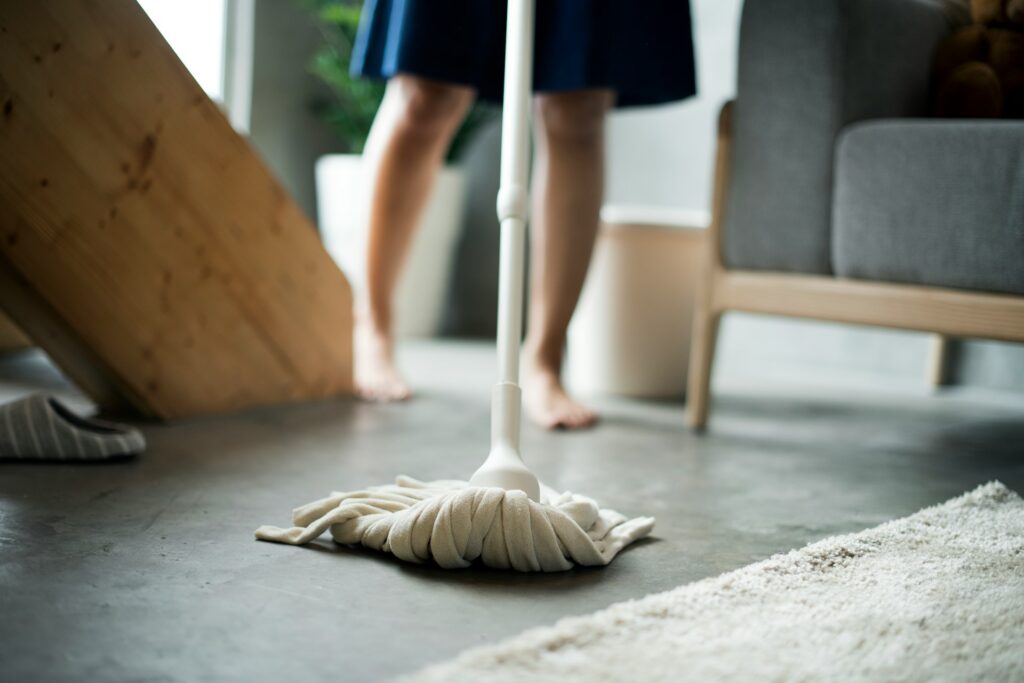
- Mop Up Standing Water: Use mops, towels, or a wet/dry vacuum for small pools of water.
- Remove Wet Carpets and Rugs: If possible, take them outside to dry properly.
- Ventilate the Area: Open windows and use fans to promote air circulation and drying.
These immediate steps can significantly mitigate damage and set the stage for more thorough cleanup and repairs later. An organized approach ensures effective recovery from water damage challenges brought on by heavy rain.
Techniques for Drying and Repairing Your Home
Once you’ve managed the immediate aftermath of water intrusion, it’s time to dry out your home and make necessary repairs. Acting quickly is essential to prevent mold growth and further structural damage.
Effective Drying Methods:
1. Air Circulation: Use fans to create a cross-breeze, helping evaporate moisture. Position fans strategically to cover all affected areas.
2. Dehumidifiers: These devices remove moisture from the air, speeding up the drying process. Place them in rooms most affected by water and run them continuously.
3. Heaters: In cooler areas, increase temperature with portable heaters to accelerate evaporation.
Tools and Equipment:
- Wet/Dry Vacuum: Ideal for removing standing water that mops can’t handle.
- Desiccants: Such as silica gel, can be placed in enclosed areas to absorb moisture.
- Moisture Meters: Use these to detect hidden moisture behind walls or under floors.
Identifying hidden water damage is crucial. Mold can develop in damp areas behind walls, under carpets, or around insulation. Use moisture meters to check suspected spots and hire professionals if moisture levels remain high. Addressing hidden water damage prevents health risks and ensures your home remains structurally sound. These steps help prepare your home for continued use and can reduce the risk of more serious problems later on.
Preventive Measures Against Future Water Damage
Preventing future water damage involves taking proactive steps to protect your property. With Michigan’s unpredictable weather, these measures can save you from headaches down the line.
Improving Home Water Resistance:
- Gutter Maintenance: Regularly clean gutters and downspouts to ensure efficient water drainage away from your home. Consider installing gutter guards to keep debris out.
- Install French Drains: These ground-level drainage systems help direct water away from your house, especially useful for properties with poor natural drainage.
Additional Safeguards:
- Sump Pumps: Install in basements to remove accumulated water, especially during heavy rains. Regularly check and maintain the pump to ensure reliability.
- Waterproofing Basements: Seal walls and floors with waterproof coatings to prevent seepage. This is particularly important for older homes susceptible to leaks.
Emergency Preparation Checklist:
- Inspect and Repair: Regularly check roofs, walls, and foundations for cracks or damage.
- Sandbags: Keep a stockpile for immediate defense against unexpected water surges.
- Emergency Kit: Prepare a kit with essential items, including flashlights, batteries, and emergency contact numbers.
These steps help safeguard your home against severe weather conditions typical in Michigan. Being prepared can mitigate potential damage, keeping your home safe and dry.
Conclusion
Dealing with water damage from heavy rain in Michigan requires a mix of preparation, action, and ongoing vigilance. By understanding the typical causes of water damage and knowing immediate steps to address it, homeowners can minimize potential impacts. Effective drying and repair techniques are crucial to getting homes back to normal. Preventive measures, such as diligent maintenance and emergency preparedness, also play a key role in reducing risk.
For expert residential water damage restoration, PuroClean of Howell is here to help restore your property efficiently. Whether you’re currently facing water damage issues or just looking to protect your home, contact us for a thorough assessment and peace of mind!