


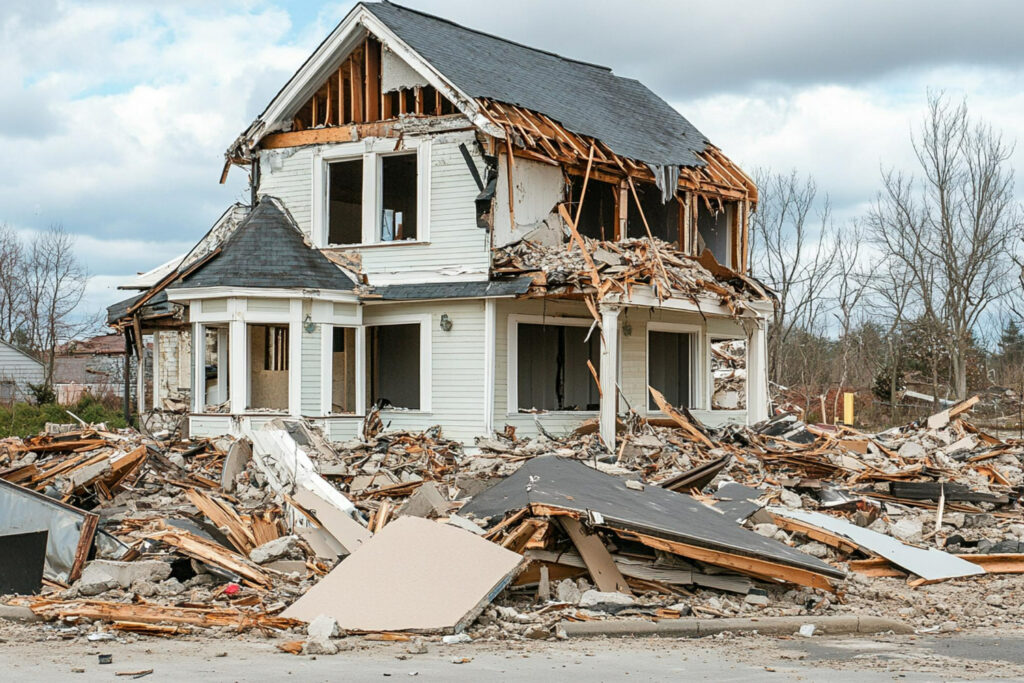
What Does Property Damage Restoration Cost in Michigan
Property damage never shows up on a nice, open day in your schedule. It hits fast, often during a storm, a deep freeze, or after a sudden fire. When that happens, one of the first worries is money. How much will it cost to get things back to normal, and what will insurance actually pay for?
We wrote this guide to help property owners across Michigan understand what drives restoration costs, how estimates are built, and how insurance fits into the picture. When you know the basic pieces, it feels less scary, and you can focus on making clear decisions instead of guessing.
Michigan homes and businesses see all kinds of damage, from frozen pipes and ice dams to wind, hail, and electrical fires. No two jobs are the same, but professional property damage restoration services follow consistent steps and use industry tools that keep pricing structured and transparent. That is how we work every day on real losses in and around Howell and the metro Detroit area.
Key Factors That Drive Restoration Pricing in Michigan
There is no one-price-fits-all number for restoration work. Cost comes from several main factors working together.
First is the type and severity of the damage. Different events call for different equipment, safety rules, and time on site.
- Water intrusion from broken lines, appliance leaks, or storm entry
- Fire and smoke damage from small kitchen flare-ups to larger structure fires
- Mold growth from long-term moisture problems
- Biohazard situations such as sewage backups or trauma scenes
- Structural impact from falling trees or wind-blown debris
Severity often changes price more than the label on the event. Light surface soot is very different from heavy charring. A small moisture spot in one room is not the same as water that has spread through multiple levels.
Square footage and affected materials also move the needle. A larger area needs more drying, cleaning, and repair. So do materials like:
- Hardwood and luxury flooring
- Cabinets and built-ins
- Drywall, insulation, and interior trim
- Roofing, siding, and windows
Standard finishes are generally faster to match and repair. Custom work, special finishes, or hard-to-find materials add to both labor and material needs.
Urgency, access, and safety conditions also influence the scope. Emergency, after-hours work often needs a bigger team. If the structure is unstable, or if the area is contaminated with sewage, heavy mold, or bloodborne hazards, the crew must use extra protective gear and set up strong containment. Michigan weather adds its own twist as well. Winter cold can slow drying and make access tricky. Spring and summer humidity can require more aggressive dehumidification to keep moisture under control.
Typical Cost Drivers for Common Damage Types
For water and storm-related damage, the core work usually includes water extraction, structural drying, and dehumidification. Light, quick-response incidents that stay on the surface are easier to handle than deep saturation that reaches into hidden building materials or multiple rooms. When cleanup is delayed, secondary damage can appear, such as:
- Warped or cupped flooring
- Swollen doors and trim
- Stained walls and ceilings
- Microbial growth on surfaces and inside building cavities
These secondary issues often mean more demolition, more material removal, and more time, which increases the overall restoration effort.
Fire, smoke, and soot cleanup has its own layers. A small fire with mostly smoke and odor can focus on:
- Smoke and soot removal from surfaces and contents
- Odor control and air cleaning
- Some debris removal
- Detailed structural cleaning
If there is deep structural charring, crews may need to remove and replace sections of framing, insulation, and finishes. At that point, reconstruction becomes a larger part of the project.
Mold remediation and biohazard cleanup are built around safety and containment. Mold work often includes:
- Setting up containment to keep spores from spreading
- Running air filtration devices
- Removing and disposing of affected materials
- Cleaning and treating remaining surfaces
Long-standing, widespread mold usually involves more removal and a longer process. Biohazard and trauma cleanup is very situation-specific and is priced around strict safety procedures, careful disposal, and the need for privacy and discretion.
How Insurance Affects Your Out-of-Pocket Costs
Most owners want to know what they will personally pay. That comes down to your policy, your deductible, and how the loss happened.
Many homeowners and business policies help with sudden and accidental events. These can include:
- Certain types of water damage that occur suddenly
- Fire and smoke events
- Wind and hail damage
- Some vandalism incidents
Long-term neglect or maintenance issues are usually not covered. Mold coverage is often limited or needs a special add-on. Intentional damage or very gradual wear and tear are usually excluded. It is smart to read your policy and talk with your agent before anything happens, so you know your starting point.
Deductibles and coverage limits decide how costs are split. Your deductible is the part you pay first. Coverage limits, along with any special endorsements, set the top end of what the carrier will pay. Clear documentation helps your claim move more smoothly. That means:
- Photos and videos of the damage from different angles
- A list of damaged contents
- Receipts for temporary lodging, food, or emergency repairs
Professional property damage restoration services usually work inside the same pricing structure your insurance carrier uses. Many use industry-standard estimating software that lines up with carrier guidelines. A local team that understands how adjusters work in Michigan can help explain needed tasks, answer questions, and reduce surprise costs.
Smart Steps to Keep Restoration Costs Under Control
While you cannot control the weather or every accident, you can control what you do in the first hours after damage.
Acting quickly helps limit how far the damage spreads. When possible, that means stopping the source of water, securing broken windows or openings, and getting moisture under control so it does not soak deeper into structural materials. In Michigan, fast response is especially helpful during:
- Winter freezes and ice events
- Heavy snow and strong windstorms
- Fast-moving spring and summer downpours
Choosing qualified, local restoration experts is just as important. A certified, insured team with 24/7 availability and a strong local track record lowers the risk of incomplete work that has to be fixed later. A Michigan-based crew understands common regional materials, local building methods, and what insurers in the area expect to see on estimates and reports.
It also helps to ask clear questions about estimates and scope, such as:
- What is covered under emergency mitigation versus longer-term reconstruction?
- How will you communicate with my insurance company?
- What happens if code-required changes are discovered during the job?
- Are any upgrades or changes I request separate from insurance-covered work?
When everyone understands the plan, there is less confusion, fewer delays, and better control over the full project.
Frequently Asked Questions About Property Damage Restoration Costs
What Is the Typical Cost of Property Damage Restoration in Michigan?
Costs vary widely based on the kind of damage, how large the affected area is, and how quickly professionals get started. Smaller situations may be on the lower end, while larger water, fire, or mold losses that need demolition and reconstruction can be much higher. Most established companies use structured, industry-standard pricing, which helps keep estimates consistent for the same scope of work.
Does Insurance Always Pay for Property Damage Restoration?
Not in every case. Many policies cover sudden and accidental events like fires, certain water incidents, and some storm damage, but they often exclude long-term neglect or slow wear and tear. Mold coverage may be limited or require special add-ons. Your final payout also depends on your deductible and policy limits, so it is important to review your coverage and talk with your agent and restoration team early.
How Quickly Should I Call a Restoration Company After Damage?
As soon as you safely can. Fast professional response helps stabilize the property, limit how far damage spreads, and reduce the chance of secondary issues like warping or microbial growth. Delays usually mean more materials are affected and more work is needed to bring the property back.
Can I Handle Property Damage Cleanup Myself to Save Money?
You might be able to take care of very minor surface cleanup, but larger water, fire, mold, or biohazard damage is best left to trained professionals. Without proper tools and safety steps, you can miss hidden problems, spread contaminants, or create health and safety risks. Incomplete DIY work may also complicate insurance claims and end up costing more to correct later.
What Should I Look for When Choosing a Restoration Company?
Look for a licensed and insured company with proven experience, clear communication, and strong local references. Ask about their training, how they create estimates, how they work with insurance adjusters, and their availability for emergencies. A trusted local provider can give you faster response, consistent pricing, and better support throughout the full restoration process.
Get Started With Your Project Today
When property damage disrupts your home or business, PuroClean of Howell is ready to respond quickly and help you regain a safe, clean space. Our experienced team delivers thorough, efficient property damage restoration services tailored to your specific situation. If you are ready to take the next step or have questions about your unique needs, please contact us so we can help you move forward with confidence.