


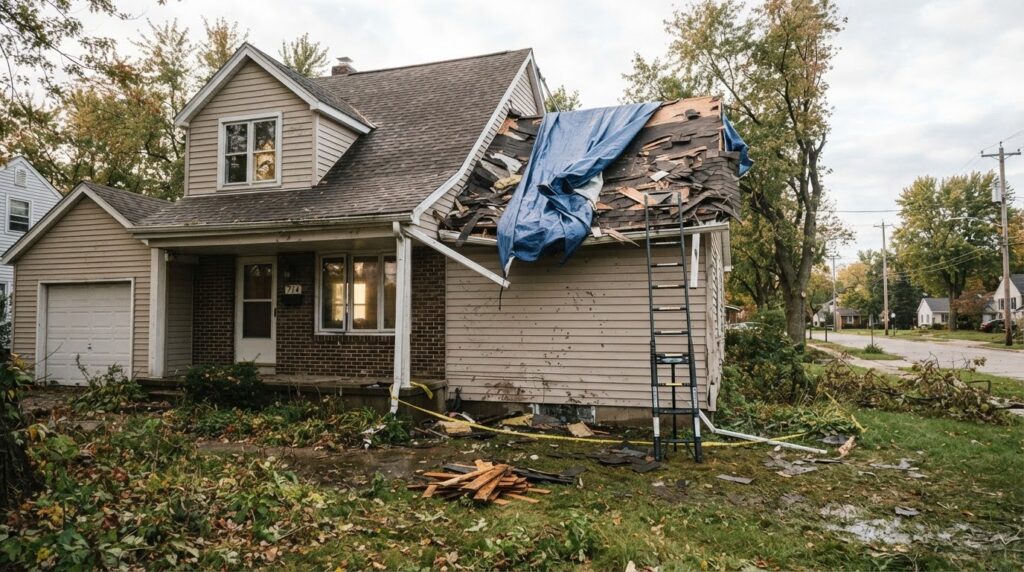
Protecting Your Michigan Property After a Disaster
Property damage restoration is really about one thing: getting your life and your building back to normal as safely and quickly as possible. In Michigan, that can be a challenge, because our homes and businesses deal with heavy snow, ice, wind, summer storms, and aging pipes and roofs. When something goes wrong, time matters.
If cleanup and repairs wait too long, moisture can spread, odors can set in, and structural problems can grow. Delays can also make it harder to prove what happened to your insurance company. Every property and every loss is different, so no two restoration timelines match exactly. The type of damage, the age of the building, and even the season all make a difference.
We provide 24/7 property damage restoration across the metro Detroit area, and we see how a clear plan can speed up safe recovery. When trained professionals step in early, they can control damage, keep people safer, and set realistic expectations for how long the work will take.
What Really Shapes a Restoration Timeline
The first big factor is the kind of loss you have. Property damage restoration often involves one or more of these:
- Water or storm damage
- Fire, smoke, or soot damage
- Mold growth
- Biohazard or trauma cleanup
Each type has its own steps, tools, and safety rules. A small water leak in one room is very different from a fire that affects multiple floors.
Other things that affect timing include:
- Size of the affected area and number of rooms
- How long the damage has been there before anyone starts work
- The materials in the building, like hardwood, drywall, plaster, tile, and insulation
- The complexity of the structure, including finishes and built-in features
Hardwood, plaster, and thick insulation usually hold moisture longer, so they may need extra drying time. Detailed finishes or custom trim may take longer to repair or replace.
On many jobs, we also need to coordinate with:
- Utility companies to handle power, gas, and water
- City or township inspectors
- Specialized trades, such as electricians, plumbers, and roofers
- Insurance adjusters who review the loss
In Michigan, permits, building codes, and environmental rules add steps, but they help make sure repairs are safe, strong, and current with local standards. That can add a little time, but it protects you long term.
Water, Storm, Fire, and Smoke Timelines
Water and storm damage projects usually follow a clear pattern. While each loss is different, the phases often include:
1. Emergency response and safety checks
2. Water extraction or removal of wet materials
3. Controlled drying and dehumidification
4. Cleaning and sanitizing of surfaces and contents
5. Repairs and reconstruction as needed
Emergency response typically happens within hours once it is safe to enter. Under normal conditions, drying may take several days. If water has soaked into walls, ceilings, or structural framing, it can take longer, especially when large areas are affected. Any needed reconstruction, like replacing flooring, drywall, or roofing, adds more time to the overall schedule.
Michigan weather also plays a part. Spring thaws, heavy summer storms, strong winds off the lakes, and winter freezes can all cause water and storm damage. The season affects how fast things dry, too. Cold or very humid air can slow drying, so we often rely on dehumidifiers and air movement to control moisture.
Professional monitoring is a big part of keeping your timeline on track. Moisture meters, thermal imaging, and daily checks help confirm that hidden areas are drying correctly. When moisture is left inside walls or under finishes, it can lead to mold growth or long-term structural problems later.
Fire and smoke damage projects usually take longer than most people expect, because there are many moving parts. Common phases include:
- Securing the property and checking safety (structure, utilities, air quality)
- Removing debris and damaged materials
- Addressing water damage from firefighting efforts
- Detailed cleaning of smoke, soot, and residue
- Odor removal and air cleaning
- Repairs and reconstruction
Smoke does not stay in just one room. It often travels through hallways, ceilings, and ductwork, settling on surfaces all over the building. Soft goods, furniture, electronics, and decorative items may all need attention. Deep cleaning and deodorization in hard-to-reach areas take time, but they are important for comfort and long-term air quality.
With fire damage, structural evaluation is key. Beams, joists, and load-bearing walls may need repair or replacement. In Michigan communities, permits and inspections are part of bringing a fire-damaged building back up to code. Each inspection adds steps, but they also help make sure your repaired space is safe.
Working with your insurance company and your restoration team early can help keep things smoother. Content inventory, photos, and clear documentation of damage let you make decisions faster about what to clean, what to replace, and how to move forward.
Mold, Biohazard, and Working with Insurance
Mold and biohazard cleanup are guided by health and safety rules more than speed. Timelines depend on:
- The size of the affected area
- The type of surfaces involved
- How long the problem has been present
- Whether people with health concerns use the space
Typical steps include inspection, setting up containment and negative air, removing affected materials, cleaning and disinfection, and post-remediation checks. Rushing these projects or skipping steps can leave behind hidden contamination, which creates health risks and possible liability, especially in commercial or multi-unit buildings. Experienced teams follow industry standards and Michigan requirements to set safe, realistic schedules.
Insurance also plays a big part in property damage restoration timelines. A typical process in Michigan often looks like this:
1. Report the loss to your insurance company
2. Get an initial inspection and start documenting damage
3. Create and review estimates and scopes of work
4. Receive approvals and coverage decisions
5. Keep communication going as work continues
Fast, clear documentation helps shorten approval times. That usually includes:
- Photos and videos of damage
- Moisture readings and notes on affected areas
- Lists of damaged contents
- Written descriptions of what work is needed
Property owners can help avoid delays by:
- Choosing one main decision-maker for the project
- Responding quickly to emails and phone calls
- Reviewing estimates and documents as soon as possible
- Keeping notes of conversations with both the restoration team and the insurer
A professional restoration company can also talk directly with adjusters, explain the scope of work, and help line up the project timeline with what your policy allows.
FAQs About Property Damage Restoration Timelines
How Fast Should I Call a Restoration Company After Property Damage?
You should call as soon as it is safe to do so. Quick action within the first 24 hours can limit damage, control odors, and help keep the overall restoration timeline shorter.
How Long Does Property Damage Restoration Take?
Timelines vary based on the type and extent of damage. Some smaller projects can wrap up in a few days, while larger losses that need extensive cleaning and reconstruction may take several weeks or more. A professional on-site assessment is the best way to get a clear estimate.
Does My Insurance Company Control How Long Restoration Will Take?
Your insurance company affects the process but does not set the work schedule directly. Approvals, coverage decisions, and documentation needs can speed things up or slow them down. A restoration team that communicates well with your insurer can help the project move more smoothly.
Can I Stay in My Property During Restoration Work?
That depends on safety, the type of damage, and the scope of work. Sometimes parts of the building can stay in use, while other situations require temporary relocation. Your restoration professional can review air quality, utilities, and access so you can decide what is best.
What Can I Do to Help Avoid Delays in My Restoration Project?
Respond quickly to questions, make choices on materials and repairs as soon as you can, keep your insurance paperwork organized, and follow safety guidance from the restoration team. Clearing paths and providing easy access to work areas also helps crews stay efficient.
Restore Your Property With Expert Help Today
When property damage disrupts your home or business, we are ready to help you move forward quickly and safely. At PuroClean of Howell, our certified team provides trusted property damage restoration tailored to your specific situation. Reach out today so we can assess the damage, explain your options clearly, and start returning your property to pre-loss condition. If you are ready to talk with a specialist, please contact us now.