


How Michigan Homeowners Can Breathe Easier This Summer
Mold and allergies can make your home feel uncomfortable, even when everything looks clean. In Michigan, higher humidity, open windows, and heavy AC use can all create conditions where indoor mold grows and allergy symptoms get worse. If someone in your home always seems stuffed up or tired, it might not be just seasonal pollen.
In this article, we will talk about how mold and allergies overlap, what signs to watch for in your home and your body, when it makes sense to look into residential mold remediation, and how to cut down on exposure both before and after professional help. Our goal is to help you breathe easier and feel more in control of your home’s air quality.
Mold Vs Seasonal Allergies in Michigan Homes
Seasonal allergies are often blamed on pollen, dust, or pet dander. Mold can cause similar symptoms, which makes it hard to tell the difference. Many homeowners in Michigan notice that symptoms change as the seasons shift from cool and dry to warm and humid.
Common seasonal allergy triggers include:
- Tree, grass, and weed pollen coming in through open windows
- Dust and pet dander stirred up by fans and AC
- Outdoor allergens that cling to shoes, clothes, and pets
Mold-related symptoms can look the same, but there are some clues:
- Congestion, coughing, or itchy eyes that feel worse inside the home
- Wheezing or tightness in the chest that seems stronger in certain rooms
- Symptoms that flare after a leak, plumbing issue, or strong storm
Red flags that point toward indoor mold instead of just seasonal allergies include:
- Symptoms that clearly improve when you stay somewhere else for a few days
- One person in the home getting sick more than others, especially if they spend more time indoors
- Problems that get stronger after rainy stretches or when humidity is high
Older Michigan homes, or homes that have had past moisture problems, can be at higher risk. Poor ventilation in bathrooms and kitchens, along with temperature swings that cause condensation on windows and walls, can also support mold growth.
Warning Signs Mold May Be Affecting Your Health
Mold affects people in different ways. Some feel nothing at all, while others feel worn down and miserable. Paying attention to patterns can help you spot an issue sooner.
Common symptoms that may be linked to indoor mold include:
- Stuffy or runny nose that never fully clears
- Sore or scratchy throat, even when you are not sick
- Red, itchy, or watery eyes, especially at home
- Skin irritation, rashes, or itching
- Headaches, brain fog, or feeling unusually tired
If normal allergy medicine does not help much, or the relief is very short-lived, mold could be part of the problem. People who are more sensitive often feel symptoms first and more intensely. That can include:
- Children and pregnant women
- Seniors
- Anyone with asthma, COPD, or chronic allergies
- People with weakened immune systems
Along with how you feel, watch what you can see and smell around the house. Possible environmental clues include:
- A musty, earthy smell in certain rooms or closets
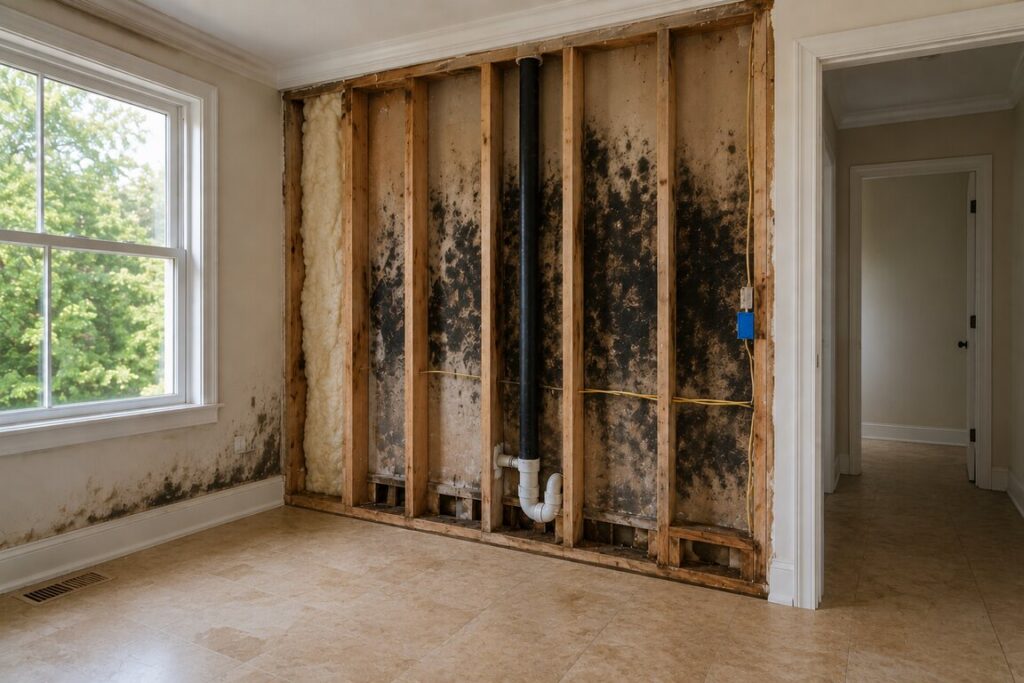
- Discoloration on walls, ceilings, window frames, or around vents
- Peeling paint, bubbling wallpaper, or warped wood or trim
- Areas that stay damp, clammy, or humid even when the AC is running
If several of these signs line up with ongoing symptoms, it may be time to bring in a professional who handles residential mold remediation.
When to Test for Mold and Call a Professional
Not every small spot of mold needs testing. Sometimes the bigger concern is where the moisture is coming from and how far the problem has spread. Still, there are times when testing and professional help make sense.
You may want to consider mold testing or a professional inspection if:
- Someone in your home has ongoing respiratory issues that have no clear cause
- There is an unexplained musty odor you cannot track down
- You see signs of past water damage, like staining or previous leaks
- Mold comes back again and again after surface cleaning
Residential mold remediation is more than just wiping surfaces. Trained teams:
- Look for hidden moisture sources behind walls, under flooring, or near plumbing
- Remove damaged materials that cannot be safely cleaned
- Use advanced drying and cleaning equipment to address affected areas
- Help coordinate with insurance when the damage is significant
Timing matters. Mold can begin to grow after a moisture incident if conditions stay damp. Acting quickly after a roof leak, plumbing issue, or storm can:
- Limit how far mold spreads into other rooms
- Shorten the time your family might be disrupted
- Reduce longer-term health concerns during Michigan’s humid months
If something feels “off” in your home’s air and you keep noticing symptoms, trusting your instincts and getting a professional opinion is usually the safest path.
Reducing Mold Exposure Before and After Remediation
While professionals handle the actual remediation, there are everyday habits that can help lower mold exposure and support cleaner indoor air. These habits are helpful both before and after any mold work is done.
Smart habits before remediation include:
- Running exhaust fans during and after showers or cooking
- Keeping indoor humidity in the 40 to 50 percent range when possible
- Wiping off condensation on windows and other cool surfaces
- Storing items so air can move around them, instead of packing them tightly in damp areas
After remediation, it is important to keep up with good routines so the problem does not return. Helpful post-remediation steps:
- Continue using ventilation in bathrooms and kitchens during steamy activities
- Replace HVAC filters as recommended, especially during heavy AC use
- Clean surfaces with mild cleaners, not harsh bleach products, unless a professional gives different instructions
- Keep an eye on previous trouble spots for any new staining, warping, or musty smells
Michigan summers often come with sticky air and big storms. Seasonal strategies that can help include:
- Using dehumidifiers during very humid stretches
- Running the AC in a way that keeps the house dry, not just cool
- Checking around windows, doors, and plumbing after heavy rain for any signs of leaks
- Addressing puddles or damp areas right away instead of waiting to see if they dry on their own
Small, steady habits can go a long way toward keeping your home drier and less welcoming to mold growth.
Partner with Local Experts to Protect Your Home and Health
Persistent allergy-like symptoms, repeating musty odors, or signs of moisture damage are not things to ignore. It helps to write down when symptoms flare, where odors are strongest, and when any leaks or water incidents happen. Photos and dates can be useful if you ever need to involve your insurance company.
Having local support can make the process less stressful. As a restoration company based in the Howell and greater metro Detroit area, we understand how Michigan’s humidity, storms, and temperature swings affect different types of homes. When we handle residential mold remediation, we focus on finding the moisture source, removing affected materials, and guiding homeowners through each step so they know what is happening and why.
If you are worried about mold or ongoing allergy symptoms in your home, paying attention to the signs and taking prompt action can protect both your property and your peace of mind. Working with experienced professionals, along with simple everyday moisture control habits, can help your home stay cleaner, drier, and more comfortable for everyone who lives there.
Protect Your Home And Health With Pro Mold Cleanup
If you suspect mold in your home, our team at PuroClean of Howell is ready to help you restore a safe living environment. Learn how our expert residential mold remediation services address the source of the problem, not just the surface. We will assess your situation, explain your options, and work with you to create a clear, timely plan. Have questions or need fast assistance? Please contact us today.