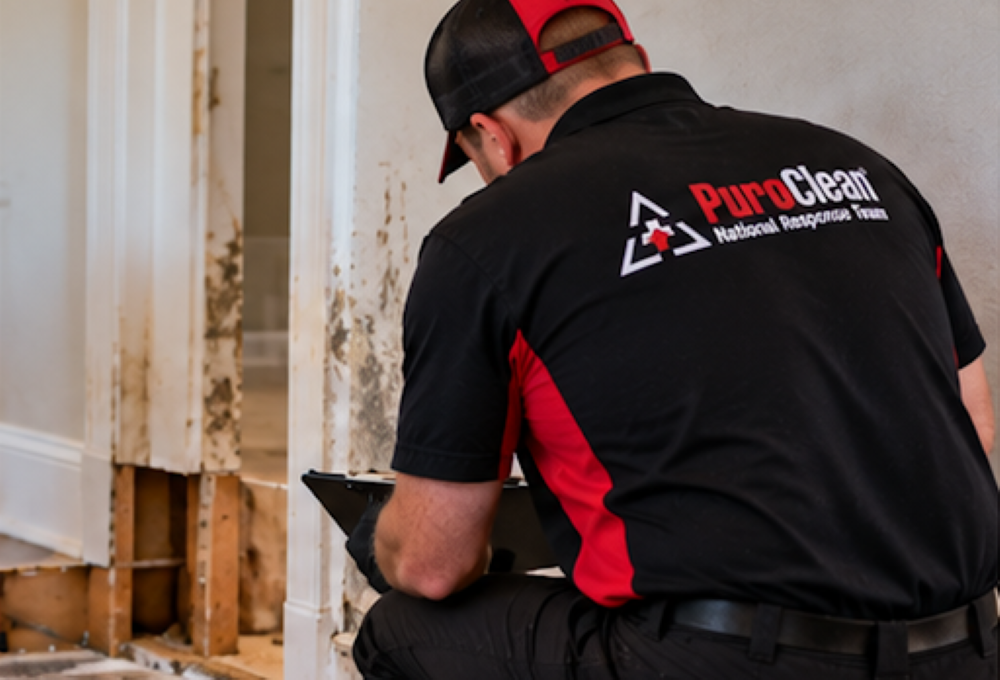
Restore Your Air, Restore Your Peace of Mind
When a water leak, a small kitchen fire, or a messy backup hits your home, the first things you see are the obvious messes. There are wet floors, smoke stains, or strong odors. Many homeowners in Howell and the metro Detroit area wipe surfaces, open a few windows, and think the problem is gone.
What you cannot see is what often matters most. Smoke particles, mold spores, and lingering moisture can stay behind in the air and inside building materials long after the visible damage is cleaned up. That hidden contamination can affect how your home smells, how it feels, and even how your family breathes, especially once windows stay closed more in cooler weather.
Professional property damage restoration services are about more than drying a room or scrubbing a wall. At PuroClean of Howell, we focus on the air you breathe every day, not just the surfaces you walk on. When your air is clean, your home feels safe again, and that brings real peace of mind.
How Property Damage Harms Indoor Air Quality
Water, fire, and biohazard incidents all affect indoor air in different ways, but they share one thing: they do not stay put. They spread. And they often spread into places homeowners rarely see.
Here is how that harm often shows up inside a house or business:
- Water leaks soak drywall, framing, flooring, and trim
- Trapped moisture feeds mold growth and musty odors
- Smoke and soot cling to soft items and hard surfaces
- Biohazards leave behind bacteria, odors, and gases
With water damage, even after you mop up standing water, moisture can stay inside walls or under finishes. That moisture becomes food for mold. Mold spores are tiny and light, so they move through the air and through your HVAC system. You may notice stuffy rooms, a damp smell, or more coughing and sneezing.
Fire and smoke damage works differently but is just as stubborn. Smoke and soot can travel through ducts, vents, and air returns, leaving a thin film on almost every surface. Even if the fire was small, odor-causing particles can lodge inside furniture, curtains, and electronics, and then re-enter the air every time air moves through the space.
Biohazard incidents, such as sewage backups or trauma scenes, bring their own air quality problems. These events can release bacteria, pathogens, and volatile organic compounds, often with powerful odors. Wiping surfaces is not enough to remove those risks from the air.
DIY cleanup often tackles only what is easy to reach. It tends to miss hidden areas like:
- Wall cavities and ceiling spaces
- Behind cabinets and built-ins
- Inside HVAC returns and supply vents
- Under trim or behind baseboards
Those are the spots that keep feeding contaminants into your indoor air.
Professional Restoration Steps That Clean Your Air
When our team responds to property damage, we look at the whole environment, not just the obvious damage. The goal is to stop contamination at the source and get your air back to a healthy state.
First, we start with a detailed assessment. That may include:
- Moisture readings in building materials
- Visual and odor inspections
- Checking how far smoke or odors have traveled
- Looking at potential impacts on HVAC components
Once we understand the damage, we bring in specialized equipment to help clean the air. HEPA air scrubbers and negative air machines pull particles like dust, mold spores, and soot out of the air instead of just spreading them around. Targeted surface cleaning removes residue from walls, ceilings, and contents, which cuts down on what can re-enter your breathing space.
For water damage, structural drying and dehumidification are key. We set up professional dehumidifiers and air movers to draw moisture out of materials, not just the surface. Getting moisture down to normal levels helps reduce the chance of mold growth, which is especially helpful before cool, damp autumn days settle in and windows stay closed more often.
Smoke odor removal is its own process. Depending on the situation, we may use methods such as:
- Thermal fogging to reach tiny nooks and fibers
- Hydroxyl generators to neutralize odor molecules
- Specialized cleaning agents for smoke and soot
These methods aim to neutralize the source of the odor instead of just covering it with fragrance. The result is air that actually smells clean, not just perfumed.
Mold, Allergens, and Respiratory Health Risks
Property damage can mix with everyday indoor allergens and make them more intense. After water or fire damage, the air may hold:
- Mold spores
- Dust and fine debris
- Pet dander that has been disturbed
- Soot and smoke particles
For people with asthma, allergies, or other breathing issues, these particles can make symptoms worse. Even those who usually feel fine may start to notice sore throats, headaches, or more coughing in certain rooms.
Improper cleanup can stir up more trouble. For example, pulling out wet materials without containment, or scrubbing soot without the right methods, can send more particles into the air. That means a well-meaning cleanup effort might actually spread the problem instead of fixing it.
Professional restoration teams follow industry standards to help protect everyone in the building. That often includes:
- Setting up containment barriers around affected areas
- Running air filtration equipment during the work
- Carefully removing and bagging contaminated materials
- Cleaning nearby surfaces to capture settled particles
Children, older adults, and people with weakened immune systems are especially sensitive to poor indoor air. Paying attention to air quality after property damage is one simple way to help protect those who are most at risk.
Why Local Expertise Matters and Simple Habits for Cleaner Air
Homes and businesses in Howell and across metro Detroit deal with a wide range of weather, from humid summers to cold, snowy winters. That constant swing in temperature and moisture affects how buildings dry out and how air moves inside.
A local team that understands these patterns knows, for example, that:
- Humid summer air can slow drying if not managed correctly
- Cold weather leads to closed windows and less fresh air flow
- Freeze and thaw cycles can create new leaks around roofs and windows
Fast response also matters. When property damage sits, water and smoke have more time to soak into materials and travel through HVAC systems. A 24/7 restoration service can cut down that window of time, which often means fewer odors and less contamination in the air.
Once professional property damage restoration services are complete, there are simple habits that support cleaner indoor air:
- Change HVAC filters more often for a while after the event
- Have your HVAC system inspected if smoke, mold, or sewage was involved
- Use exhaust fans when cooking or showering to help control humidity
- Dust and vacuum with a HEPA-filter vacuum to help capture fine particles
- Watch for any recurring musty or smoky odors and new staining
Seasonal maintenance in the fall is also a smart step in Michigan. Cleaning gutters, checking for roof or window leaks, and making sure vents are clear can help prevent new moisture problems that might lead back to air quality issues.
Professional restoration and simple, steady habits work best together. One handles the heavy lifting after a loss, the other helps keep your air healthier over the long run.
Frequently Asked Questions About Air Quality and Restoration
How Does Property Damage Restoration Improve Indoor Air Quality?
Through moisture control, deep cleaning, containment, and the use of HEPA filtration and deodorization technologies, professional restoration removes contaminants like mold spores, soot, and bacteria from your home or business, which supports cleaner, safer air.
How Soon to Call a Restoration Company After Water or Fire Damage?
You should call as soon as it is safe to do so, because rapid response within the first couple of days helps limit the spread of contaminants, reduce the chance of mold growth, and minimize smoke and odor penetration into your property and air.
Can I Handle Property Damage Cleanup Myself if It Looks Minor?
Even damage that appears minor on the surface can hide air quality risks behind walls or inside HVAC systems, so it is safer to have a trained restoration professional assess the situation and recommend the right steps.
Will My HVAC System Be Affected by Smoke, Soot, or Mold?
Yes, HVAC systems can circulate smoke particles, soot, and mold spores through your property, and restoration professionals can help coordinate proper cleaning, filtration, and, when needed, duct cleaning to help protect indoor air quality.
How Do I Know If My Indoor Air Is Still Unsafe After Damage?
Persistent odors, more allergy or asthma symptoms, visible staining, or recurring moisture issues can all be warning signs, and a professional inspection with moisture readings and an air quality-focused assessment is the most reliable way to check if your air is still at risk.
Get Started With Your Project Today
If your home or business has suffered water, fire, or other damage, we are ready to help you move forward with trusted, local expertise. Learn how our property damage restoration services can stabilize the situation and begin returning your property to pre-loss condition. At PuroClean of Howell, we respond quickly, explain your options clearly, and keep you informed at every step. To discuss your situation or schedule service, please contact us today.