


For Michigan property owners, heavy rain and flooding can pose significant risks to their homes and businesses. While we cannot control the weather, we can take proactive measures to minimize the potential damage caused by these events. In this blog post, we will discuss practical ways to protect your Michigan property from the threats posed by heavy rain and flooding, helping you maintain a safe and secure living or working environment.
As a state surrounded by the Great Lakes and subjected to heavy precipitation at various points throughout the year, Michigan homeowners and business owners need to be prepared for the potential water damage these conditions can bring.
Water damage can weaken the structural integrity of your property, encourage mold growth, and impact the health and well-being of occupants. By implementing proper drainage, utilizing landscaping techniques, and safeguarding critical areas of your property, you can better defend against the damage inflicted by heavy rain and flooding.
In addition to offering valuable tips for property protection, we will also explore the importance of working with a professional restoration company like PuroClean of Howell to help you deal with water damage swiftly and effectively.
Implementing Proper Drainage Systems
A crucial element in defending your property against heavy rain and flooding is ensuring adequate drainage. Here are some steps to improve your drainage system:
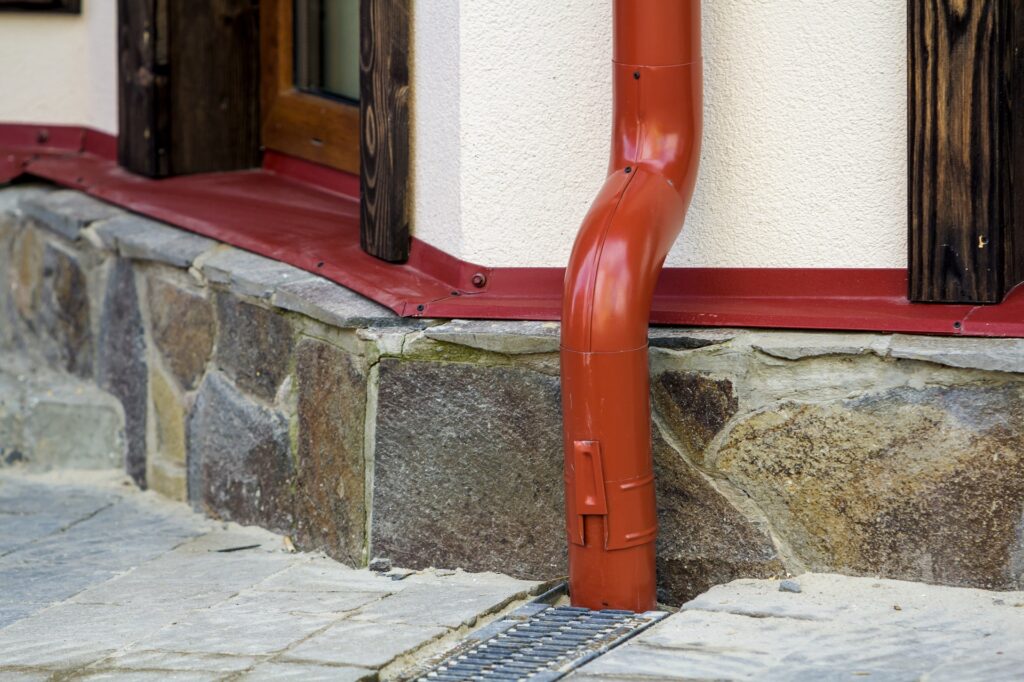
1. Maintain gutters and downspouts: Regularly clean and inspect your gutters and downspouts to remove debris and ensure they are in good working condition. Redirect downspouts away from your property’s foundation to minimize water seepage.
2. Install a sump pump: If you have a basement, consider installing a sump pump to remove water that accumulates in the lowest-lying areas of your property.
3. Inspect drains: Routinely examine the drains in your property, and clear any blockages to prevent potential on-site flooding.
4. Install a French drain: A French drain can be used to redirect water away from your property’s foundation, relieving hydrostatic pressure and minimizing the risk of water damage.
Utilizing Protective Landscaping Techniques
Thoughtful landscaping choices can minimize the risks associated with heavy rain and flooding. Consider these landscaping techniques to defend your property:
1. Plant native vegetation: Native plants are adapted to your region’s precipitation levels and can help absorb excess water in your yard, reducing the risk of flooding.
2. Create a rain garden: Build a rain garden to collect and absorb stormwater runoff, lowering the potential for water pooling around your property.
3. Install permeable paving: Replace traditional concrete or asphalt surfaces with permeable materials to allow water to seep into the ground, reducing runoff and the risk of flood damage.
4. Grade your property’s landscape: Ensure that your property slopes away from your foundation to direct water away from crucial structures.
Safeguarding Critical Areas of Your Property
To minimize the risks of water and flood damage, it’s essential to protect vulnerable areas of your property proactively. Here are some tips for safeguarding those critical areas:
1. Seal cracks and gaps: Inspect your property’s foundation, walls, and windows for any cracks or gaps, and use caulk or other sealants to prevent water from seeping in.
2. Elevate appliances and electrical systems: Elevate your HVAC equipment, air conditioning units, and electrical systems above potential flood levels to prevent water damage and electrical hazards.
3. Install flood vents: Flood vents can help equalize water pressure on your property’s foundation during a flood, reducing the likelihood of structural damage.
4. Use water-resistant materials: When performing repairs or renovations, opt for water-resistant materials, such as concrete and stone, to better protect your property from potential water and flood damage.
Preparing for and Responding to Flooding Events
Having a plan in place for potential flooding events can help reduce the impact of these events on your property. Follow these steps to effectively prepare and respond to flooding:
1. Be informed: Stay updated on potential flood risks by regularly monitoring weather reports and signing up for local alerts.
2. Prepare an emergency kit: Create an emergency preparedness kit containing essential items like non-perishable food, water, first aid materials, and a weather radio.
3. Create an evacuation plan: Develop a well-defined evacuation plan for your family or employees, and practice it regularly, ensuring everyone knows the safest routes to higher ground.
4. Document your property: Maintain an updated inventory of your property’s contents for insurance purposes, and take photos or videos to document the condition of your property before and after a flooding event.
Final Thoughts
Protecting your Michigan property from the impact of heavy rain and flooding is essential for preserving its structural integrity and minimizing potential water damage. By implementing effective drainage systems, utilizing protective landscaping techniques, and safeguarding critical areas of your property, you can better manage the challenges presented by severe weather in your region.
In the aftermath of flooding or heavy rain, having the support of a trusted restoration partner like PuroClean of Howell is crucial for addressing any damage or emergencies quickly and efficiently. Their expertise in water damage restoration, coupled with their commitment to the Michigan community, makes them an invaluable resource for property owners facing the unique challenges of our local climate.