


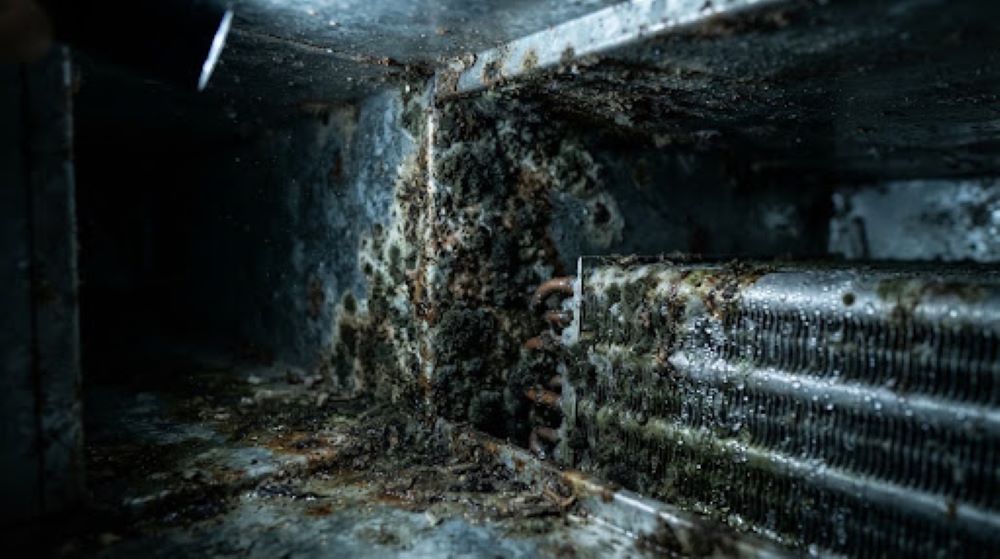
Protect Your Home’s Air Before Mold Spreads
Mold inside an HVAC system does not always look dramatic. Many times it starts quietly, riding along in your air as tiny spores you cannot see. As the system runs, those spores move from room to room, affecting comfort, breathing, and even how well your heat and AC work.
When you catch residential mold remediation needs early, you can help stop bigger problems. Mold can damage parts of your HVAC equipment, clog filters, and lower indoor air quality. Acting quickly protects both your system and the people who live or work in your space.
We provide 24/7 professional mold cleanup in HVAC systems throughout Howell and the greater metro Detroit area. Our team at PuroClean of Howell is here to help you understand what to watch for and what to do if you suspect mold in your system.
Hidden Mold Risks Inside HVAC Systems
HVAC systems handle a lot of moisture. Condensation forms on coils, humidity passes over cool metal parts, and poor ventilation can trap damp air. When moisture lingers inside the system, mold can find a foothold and start to grow.
Common places where mold may develop in or around your HVAC include:
- Air handlers and blower compartments
- Evaporator coils where warm, humid air hits cold metal
- Condensate pans and drain lines that may clog or hold standing water
- Duct interiors where dust and moisture collect
- Supply vents and registers if damp air passes through often
As fall weather sets in across Michigan, we see cool nights, warmer days, and swings in humidity. Your system may cycle more during these changes, which can increase condensation on coils and in pans. When that extra moisture is not managed, hidden mold growth can start before winter heating even begins.
Warning Signs Your HVAC Needs Mold Remediation
Your senses often give the first clues that your HVAC might have mold. Pay attention when the heat or AC kicks on. A faint but steady musty or earthy smell is a common early warning sign. You might also notice dark or discolored spots around vents, or dust on vents and ceilings that looks clumpy or speckled instead of fine and light.
Watch for these sensory signs:
- Musty odors that get stronger when the system runs
- Visible spots or streaks on or around vents and registers
- Odd-looking buildup on vent covers or nearby walls
Your body can be a good alarm system too. Some people feel more stuffed up, cough more, or notice irritated eyes when mold spores are in the air. Symptoms may ease when you are away from the home but return when you spend time indoors with the system running.
Common health and comfort clues include:
- Allergy-like symptoms that come and go with HVAC use
- Headaches or sinus pressure that seem tied to being indoors
- Breathing issues that get worse when air is blowing
System performance can also point to moisture and mold troubles. If your HVAC sounds louder than usual, if some rooms feel too warm while others are cold, or if your filters clog sooner than they used to, there may be hidden moisture problems that allow mold to grow.
Professional Mold Remediation for HVAC Systems
When mold is suspected inside an HVAC system, a careful, professional process is the safest choice. A typical service starts with a detailed inspection of your equipment and accessible ductwork. We look for visible growth, staining, or moisture and also try to find the source, such as blocked condensate lines or poor drainage.
Once we understand the problem, we set up containment so that disturbed spores do not spread. This may involve sealing off certain areas and using air filtration devices while work is done. Mold-impacted materials that cannot be cleaned are removed in a controlled way, and HVAC components are cleaned with care.
Certified technicians use tools and steps such as:
- HEPA vacuuming to capture fine mold spores and dust
- Antimicrobial treatments on non-porous surfaces where growth was present
- Thorough coil and condensate pan cleaning
- Filter upgrades or replacements suited to the system
DIY attempts with basic cleaners often only touch the surface. Wiping a vent cover or spraying a visible spot may disturb colonies and push spores deeper into ducts. Hidden mold in coils, pans, or inside air handlers is easy to miss without training and the right equipment. Working with a residential mold remediation team helps protect both the people in the home and the HVAC system itself.
Seasonal Strategies to Prevent HVAC Mold Growth
Fall is a smart time to prepare your system for the heating season. Before you rely on your furnace every day, it helps to have a professional check the HVAC for early signs of moisture and mold. Cleaning coils and drain pans and making sure condensate lines drain correctly can reduce standing water and lower mold risk.
Helpful fall maintenance steps include:
- Professional inspection of indoor units and accessible ducts
- Cleaning of evaporator coils to remove debris and buildup
- Clearing and testing condensate pans and lines for smooth drainage
Homeowners’ habits also play a big part all year long. Regular filter changes help keep dust out of the system, and managing indoor humidity makes it harder for mold to thrive. Running bathroom and kitchen exhaust fans during and after showers or cooking pulls damp air out instead of letting it settle in your ducts.
Simple habits that reduce mold risk:
- Change HVAC filters on the recommended schedule
- Keep indoor humidity in a moderate range when possible
- Run exhaust fans during steamy activities
- Keep supply and return vents open and not blocked by furniture
Partnering with a local restoration company for routine assessments can catch small moisture issues early. A minor problem, such as a slow drip or partially blocked drain line, is easier to address before mold takes hold and full residential mold remediation is needed.
When to Call a Professional for HVAC Mold Help
Some situations call for prompt professional attention. Strong mold-like smells blowing from vents, recurring complaints of stuffy noses or scratchy throats that seem tied to HVAC use, or visible growth around registers are clear signs you should not wait. Any significant water or moisture event in the home can also affect the HVAC system and ducts.
Common triggers for calling in help include:
- Strong musty odors from vents, even after filter changes
- Ongoing health discomfort that eases when you leave the home
- Dark or fuzzy growth on vent covers or nearby walls
- Any water leak, overflow, or moisture issue near HVAC equipment
PuroClean of Howell responds around the clock with prompt on-site assessments. We look closely at your HVAC system, discuss what we find in clear terms, and offer straightforward recommendations. When cleanup is needed, we coordinate remediation with any related reconstruction or system repairs so your home can return to safe, clean operation.
Cleaner air moving through a mold-safe HVAC system supports a healthier indoor space and protects your home and belongings over the long term. By spotting early warning signs and choosing professional residential mold remediation when needed, you can keep mold from spreading and help your system run more smoothly in every season.
Frequently Asked Questions About HVAC Mold
How Can I Tell If Mold Is Growing in My HVAC System?
Look for musty odors when the system starts, visible dark or speckled spots on or around vents, dust that seems clumpy, and family members feeling allergy-like symptoms that worsen when the heat or AC is running. A professional inspection can confirm if mold is present.
Is Mold in My HVAC System Dangerous to My Health?
Mold in an HVAC system can move spores through your home and may trigger breathing issues, allergies, asthma flare-ups, headaches, and eye or throat irritation. Children, older adults, and people with existing conditions can be especially sensitive. Prompt remediation lowers these risks.
Can I Remove HVAC Mold Myself with Store-Bought Cleaners?
Surface cleaning usually does not solve HVAC mold. DIY efforts can disturb colonies, push spores into the air, and miss hidden growth in coils, pans, and duct interiors. Certified professionals use specialized tools and methods to contain and remove mold more safely.
How Often Should I Have My HVAC System Checked for Mold?
It is a good idea to have your HVAC system inspected at least once a year, preferably before heavy heating or cooling seasons. You should also schedule an inspection after any moisture incident or if you notice odors, health changes, or discoloration near vents.
What Can I Do to Prevent Mold From Returning After Remediation?
Keep indoor humidity at a moderate level, change filters on schedule, and keep vents clear. Make sure condensate lines and pans drain properly, and arrange routine HVAC maintenance. Working with a local restoration and residential mold remediation expert can help monitor and manage long-term mold prevention.
Protect Your Home and Family From Hidden Mold Damage
If you suspect mold in your home, now is the time to act before it spreads further. Our team at PuroClean of Howell is ready to provide thorough inspection and trusted residential mold remediation tailored to your property. We work efficiently to remove mold at the source and help restore a healthier indoor environment. To schedule service or ask questions about your situation, please contact us today.