


How to Keep Your Family Safe During Mold Cleanup
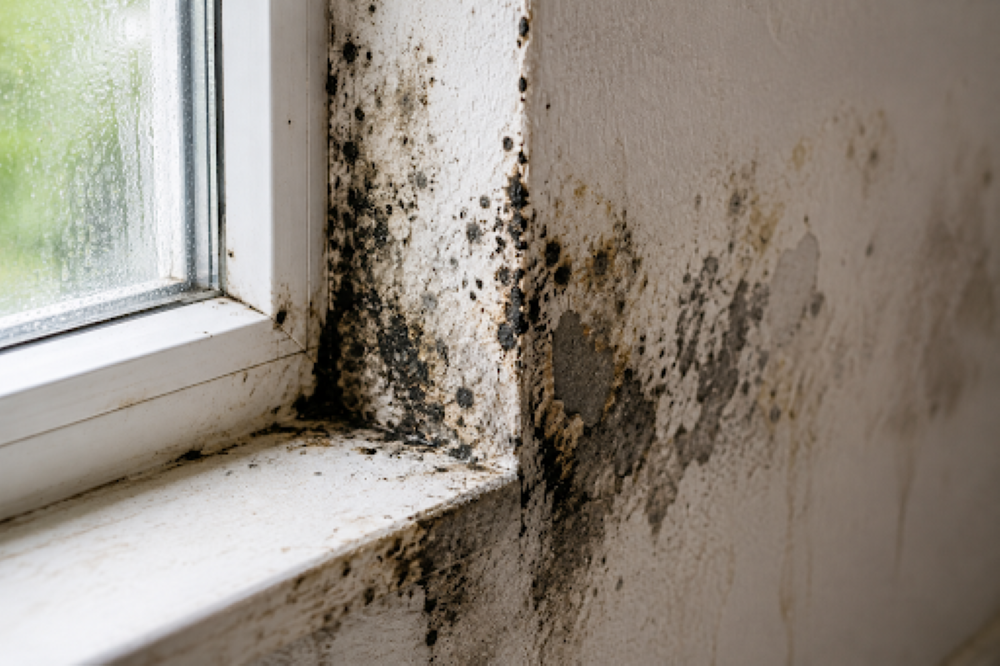
Residential mold remediation is the process of finding, containing, and removing mold growth from a home, then addressing the moisture that allowed it to grow. When mold spreads or hides inside walls, ceilings, or behind finishes, it usually calls for professional help. Trying to wipe it away yourself can make things worse by spreading spores into the air.
A big question many homeowners have is whether it is safe and practical to stay in the home while this work is happening. The answer is not the same for everyone. Health, comfort, and how much your daily routines will be disrupted all play a big role, especially for families in Howell and the metro Detroit area.
In this article, we explain how mold exposure can affect you, how professionals contain mold, when it may be okay to stay, when it is better to leave, and how a team like ours can help you decide what is right for your family.
How Mold Exposure Affects You During Cleanup
Mold is a living organism that releases tiny spores and fragments into the air. Different people react to mold in different ways. Some barely notice it, while others feel unwell very quickly. Those at higher risk can include:
- Children and older adults
- People with asthma or other breathing issues
- Anyone with allergies or sinus problems
- People with weakened immune systems
During residential mold remediation, materials with mold growth are disturbed when they are cleaned, removed, or cut out. Even when the work is done correctly, this can temporarily increase the amount of mold in the air in the work area. This is one reason strong containment is so important.
Common mold exposure signs include:
- Coughing or wheezing
- Sneezing or runny nose
- Red, itchy, or watery eyes
- Headaches or feeling tired
- Chest tightness or trouble catching your breath
If anyone in your home has trouble breathing, chest pain, or symptoms that quickly get worse, those are red flags. They should leave the work area right away and talk with a medical professional.
Warm, humid weather, like we see in Michigan summers, tends to speed up mold growth. Homes are often closed up with the AC running, which can hold moisture indoors if there is a leak or past water damage. Some people feel more sensitive to mold in these conditions, so paying attention to how everyone feels during cleanup is very important.
How Pros Contain Mold to Protect Your Home
Professional residential mold remediation is more than just spraying and wiping. A typical process includes:
- Inspection to find both visible mold and hidden moisture
- Moisture control to stop leaks and start drying
- Containment to separate clean areas from work zones
- Air filtration to help remove particles from the air
- Removal of damaged materials that cannot be cleaned
- Detailed cleaning of surfaces and dust
- Post-remediation checks to confirm conditions are improved
Containment is what helps protect the rest of your home while work happens. In simple terms, we build a plastic barrier around the affected area and seal off doors, vents, and openings. We often use negative air machines, which pull air out of the work zone through HEPA filters. This helps keep mold from spreading to other rooms.
HEPA air scrubbers run inside the contained area to trap spores, dust, and debris as work is done. Controlled airflow helps make sure that air moves from clean areas into the work zone, not the other way around.
Our crews wear personal protective equipment like masks or respirators, gloves, and coveralls. This protects them and also helps prevent them from carrying mold from the work zone into other spaces in your home.
When containment is set up the right way and equipment is used properly, it may be possible for some families to stay in parts of the home that are well separated from the work. In other cases, the safest choice is to stay elsewhere until the project is complete.
When You Can Safely Stay Home During Mold Work
There are many situations where staying in your home during residential mold remediation is reasonable. Some examples include:
- The affected area is small and limited to one room
- Strong, sealed containment clearly separates the work zone from living spaces
- Bedrooms, main living areas, and the kitchen are outside the work area
- No musty odor or dust is reaching the rooms you use daily
If you decide to stay, it helps to set some ground rules:
- Keep children and pets completely away from work zones at all times
- Follow instructions from the crew leader about what areas are off limits
- Avoid touching or leaning on plastic containment walls or zippers
- Plan your daily routes so you do not pass through the work area
- Expect some noise from equipment and schedule quiet times if needed
Good communication with your remediation company makes a big difference. Let them know your normal routines, work-from-home needs, and when you need quieter periods or access to certain rooms. They can often adjust work phases to limit disruption when it is safe to do so.
Clear Signs You Should Not Stay in the House
There are also clear signs that you should plan to be out of the home during the project. Strong reasons to leave include:
- Mold is found in several key living spaces, such as multiple bedrooms or the kitchen
- Strong musty odors or dust reach the rooms you would occupy
- Large areas of walls, ceilings, or finishes need to be removed
- The work will block access to bathrooms or main walkways
Some health situations call for extra care. Anyone in the home who has:
- Asthma or chronic respiratory illness
- Serious allergies or frequent sinus infections
- A weakened immune system
- Pregnancy
should be very cautious about staying during intensive mold work. Even with strong containment, the safest choice for them is often to stay somewhere else until the most disruptive phases are over.
Comfort matters too. Mold equipment can be loud and may need to run around the clock, and there may be times when part of your heating or cooling system is turned off or isolated. If important rooms will be closed off or if noise will stop you from resting, planning temporary lodging with family, friends, or a hotel can reduce stress for everyone.
How PuroClean of Howell Helps You Decide What to Do
Every home and every family is different. At PuroClean of Howell, we start by carefully evaluating:
- How far the mold and moisture have spread
- Which rooms and materials are affected
- What is causing the moisture problem
- Current air conditions inside the home
We then walk you through what we find in clear, simple terms. We explain which areas need containment, what equipment we plan to use, and how long each phase is likely to take. Part of that conversation is an honest talk about whether it is a good idea for you to stay, who in your family might need extra protection, and how we can adjust the plan to reduce disruption when it is safe.
Our team provides 24/7 emergency response across Howell and the greater metro Detroit area. Quick action is especially important in warm, humid periods when mold can spread faster. Whether your mold problem started after a water issue or grew slowly over time, we focus on removing growth and dealing with the moisture source so conditions do not quickly return.
Frequently Asked Questions About Mold Remediation
How Long Does Residential Mold Remediation Usually Take?
The time frame depends on how large the affected area is, what materials are involved, and how much moisture damage is present. Smaller projects might be finished in a few days, while larger or more complex jobs can take a week or longer, especially if drying and reconstruction are needed. Your remediation team should give you a project-specific estimate after inspection.
Can My HVAC System Run During Mold Remediation?
In many cases, the HVAC system that serves the work area is turned off or isolated so spores are not pushed through the ductwork. Parts of the system that serve clean areas might still be used if they can be separated from the work zone. This decision should always be made by a professional after looking at airflow, containment, and how your system is set up.
Is It Safe for Kids and Pets During Cleanup?
Kids and pets should never enter the active work zones. Whether they can stay in other parts of the home depends on the size and location of the mold problem, how strong the containment is, and their health. Families with infants, toddlers, or pets with breathing issues are often more comfortable and safer staying somewhere else during heavy work phases.
How Will I Know the Mold Problem Was Fully Resolved?
A reputable company focuses on both removing mold and correcting the moisture source. They should perform visual checks, take moisture readings, and explain what materials were removed or cleaned. In some situations, they may recommend third-party air or surface testing for added confirmation.
What Questions Should You Ask Before Scheduling Residential Mold Remediation?
Ask about their training and experience with projects similar to yours, what containment and air filtration methods they use, and how they protect belongings around the work area. It is also helpful to ask how they will communicate daily progress, how they handle changes in the plan, and whether they will clearly explain if it is safe for your family to stay in the home during the project.
Protect Your Home And Health From Mold Today
If you suspect mold in your home, we can inspect the affected areas and provide targeted residential mold remediation tailored to your situation. Our team at PuroClean of Howell works efficiently to remove mold, address moisture issues, and help prevent it from returning. To schedule service or ask questions about your specific concerns, contact us today.