


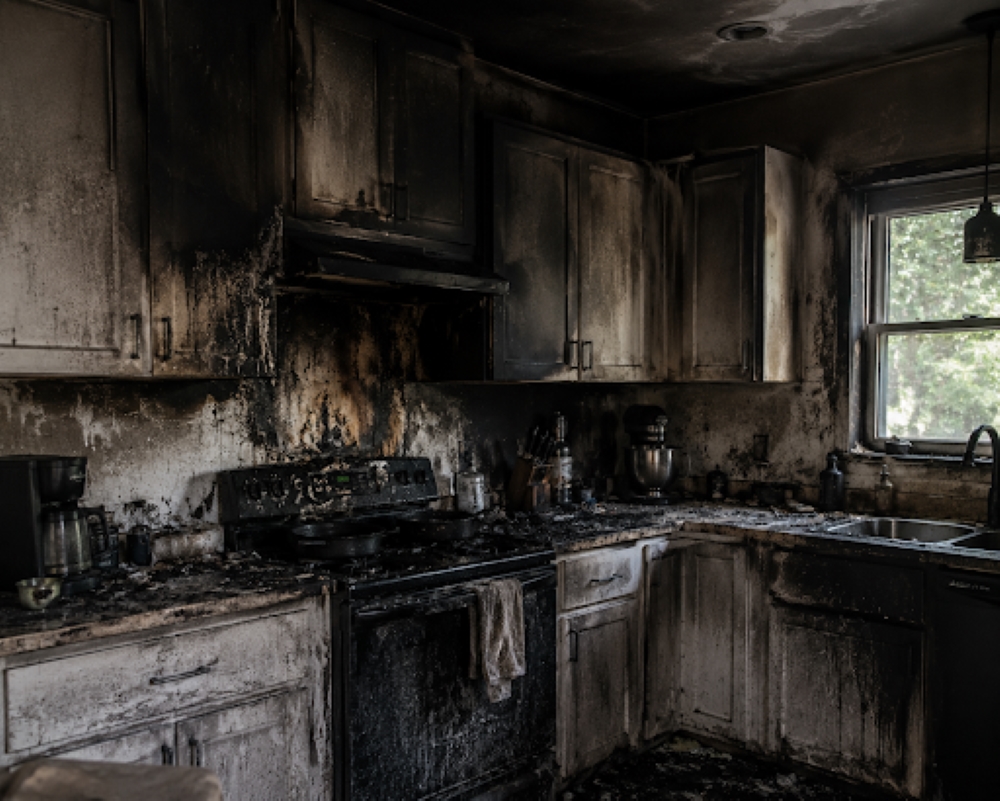
The damage left behind after a fire isn’t always obvious. While burned materials and soot-covered walls make the mess easy to see, it’s the smoke that tends to stick around long after cleanup begins. Smoke carries small particles that get into every part of a home. They don’t just land on surfaces, they sink in.
That’s where smoke damage restoration becomes especially important. It’s about fixing what looks burned and about removing what’s hidden, especially in places where smells or health concerns can pop up later. In Michigan, late spring is when those issues often become easier to spot. Warmer temperatures, open windows, and shifting air flow start to stir up lingering odors and trapped smoke. That’s usually when most families realize more work still needs to be done.
Understanding What Smoke Leaves Behind
Flames may burn specific items or rooms, but smoke doesn’t stop at the source. It floats through vents, creeps behind wall cavities, and settles into places most people won’t notice right away.
- Smoke can discolor walls or ceilings that weren’t even near the fire
- It soaks into fabrics like curtains, rugs, and upholstered furniture
- It clings to air ducts, light fixtures, and baseboards, drawing out that burnt smell whenever the weather changes
Even after a surface looks clean, particles might still be inside. That’s one reason it can feel like the smell of fire comes back weeks after things start to return to normal. For homes in Michigan, humidity changes in spring can activate those particles again, triggering odors or discomfort that seem to come out of nowhere. All of this makes long-term living tougher, especially when it affects air quality.
What Restoration Teams Actually Do
When we handle smoke cleanup, the first step we take isn’t wiping anything down. It’s checking how far the smoke actually went. That means inspecting both damaged and clean-looking areas.
After that, the top priorities are usually:
- Removing soft items like rugs, bedding, or cushions, which can trap smoke deep inside
- Using air scrubbers and ozone tools to clean the air itself
- Washing walls, ceilings, vents, and ducts with the right materials to lift embedded smoke
- Sealing surfaces to prevent the return of smoke smells
Heavy tools and proper safety steps matter here. Some smoke types are oily or acidic, so smearing them around only makes the problem worse. We work slowly and pay attention to where air might linger or move through the home. Even if the main damage feels small, smoke rarely stays in one spot.
As part of our smoke damage restoration process, we may use HEPA air filtration machines and EPA-registered cleaning agents to help remove odors and protect your indoor air quality. We also provide content cleaning and can store items off-site to help prevent cross-contamination until your home is fully restored.
How Smoke Affects Different Parts of the Home
Every house has areas that respond differently to smoke. Some spaces hold onto smells more than others, and places with less air movement tend to trap particles even longer.
- Kitchens usually take on a thick layer of smoke, not just from the fire but from older cooking grime it mixes with
- Attics and crawl spaces often collect smoke without anyone realizing, especially if vents lead through those areas
- Closed rooms, like guest spaces or storage areas, can hold stale air where smoke settles and doesn’t clear out naturally
This is where Michigan’s late spring weather plays a big part. As indoor temperatures rise, the materials in those rooms begin to release what they soaked in earlier. It feels like the smell is returning, but in reality, it’s always been there underneath. That’s why spring cleanup can often expose more damage than expected.
Repairing Surfaces and Making Rooms Comfortable Again
Once cleaning is done, repairs begin. If materials are still holding strong, we sometimes seal or repaint them. But in many cases, full removal is the only way to get rid of damage for good.
- Drywall that smells smoky or feels stained often needs to be replaced
- Insulation behind walls might need to come out if it picked up heavy smoke
- Flooring, especially carpet, may need to be pulled up and replaced if cleaning doesn’t remove the odor
We focus on restoring comfort. That means returning airflow, replacing light covers or outlet plates that might have hidden soot, and repainting with the right base layers to trap any remaining smells. Homes feel better when everything looks clean and nothing carries a smell that reminds people what happened.
Keeping the Space Safe After Cleanup
Once the work is finished, it helps to stay steady with a few basic steps. Smoke damage might be gone, but future air quality depends on staying alert through each season.
- Change HVAC filters more often for at least a year
- Check small rooms, corners, or storage areas during monthly chores
- Watch for air flow issues near vents or ducts where smoke might have once passed through
Spring in Michigan is especially good for these kinds of checks. It’s the shift point between sealed-up winter air and the open-window warmth of summer. That makes airflow easier to track, and smells easier to notice. If anything new pops up, it’s usually easier to spot this time of year than during colder months.
How Smoke Cleanup Gives the Home a Fresh Start
For most families, the goal isn’t just a clean house. It’s a safe, quiet space that feels like home again. Smoke damage restoration makes that happen by wiping surfaces and by cleaning what can’t always be seen or smelled until later.
We look at homes with long-term comfort in mind. That means clean air, fresh rooms, and peace of mind that the fire didn’t leave anything behind. Whether the smoke was heavy or just smelled odd with the first warm day of spring, giving the house a fresh start feels as good as it looks.
At PuroClean of Howell, we understand how stressful lingering smoke odors and hidden damage can be after a fire. Whether walls still hold onto that smoky smell or certain rooms never seem to air out, our goal is to restore your Michigan home to a safe and comfortable environment. With our local experience and knowledge of how Michigan’s climate can reveal new problems, we’re here to help you feel confident about your home’s recovery. To find out more, see our smoke damage restoration and reach out to get started.