


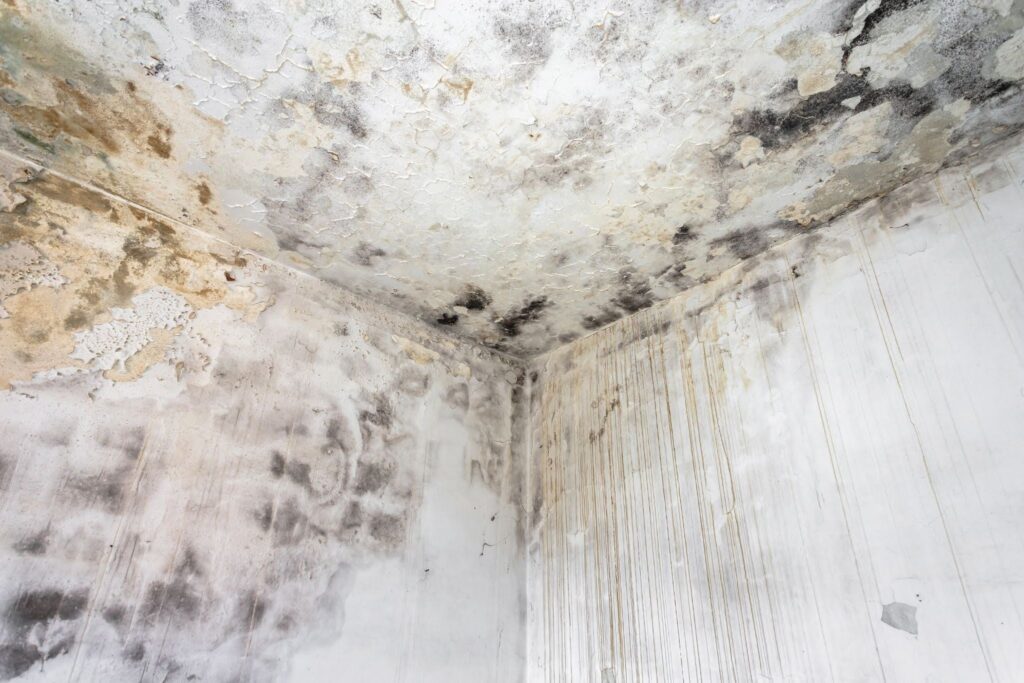
Mold in the spring can move in fast, especially after a long Michigan winter. Once temperatures rise and the snow melts, that lingering dampness creates the perfect recipe for mold to grow unnoticed. That’s why it’s so important to act quickly and carefully once you spot the signs. Knowing how to handle mold remediation in Michigan safely helps stop the spread and avoids other hazards that can come with cleaning it up the wrong way.
Spring weather brings its own challenges. Homes deal with a mix of melting snow, rising humidity, and leftover moisture trapped in hidden places. That means Michigan homeowners need to be ready for what’s coming next. From spotting early signs to knowing when cleanup is safe to begin, it helps to have a clear plan.
Spotting Spring Mold and Moisture Problems
In early spring, the freeze-thaw process starts moving quickly. Snow melts and occasionally refreezes overnight, then melts again during the day. That constant shifting can leave water in places we don’t always think about.
Mold tends to show up in quiet spaces first, where moisture isn’t obvious but sticks around for days. If damp indoor air mixes with poor airflow, the chance of mold growth goes up. Some signs to look out for include:
- Musty or earthy smells coming from rooms with little ventilation
- Dark green or black patches on walls, ceilings, or corners
- Peeling paint or warped drywall near windows or in basements
- Family members noticing an uptick in coughing, sneezing, or itchy eyes indoors
The most common trouble areas in Michigan homes are basements, crawl spaces, attics, and near exterior walls. These parts of the house tend to hold onto cold air longer, causing condensation or trapping moisture from melted ice dams above.
If you notice musty smells or odd discoloration, pay close attention. Sometimes these areas look normal at first glance, but take a closer look if something feels out of place. Being proactive about checking likely trouble spots can help uncover problems before they get worse.
Preparing the Space Before Remediation Begins
Before any mold cleanup starts, we’re always focused on keeping the rest of the home protected. Mold spores can move fast once disturbed. Preparing the space helps stop that movement.
- Turn off HVAC units so air doesn’t push spores through vents into clean areas
- Block off doorways, air ducts, and return vents near the mold with plastic sheeting and tape
- Always wear safety gear like gloves, masks, and protective clothing when entering affected spaces
It’s common to want to jump right into cleanup, but skipping these early steps can actually make the problem worse. Mold spreads easily if the area isn’t sealed off, and airborne spores can end up in rooms that were never affected to begin with.
Setting up a safe space first can make the cleanup process smoother and keep the rest of your home from being affected later on. Ensure you have the needed supplies before entering: plastic for barriers, tape, disposable gloves, and a mask.
The Safe Cleanup Process Step-by-Step
Once the area is sealed and the HVAC system is off, cleanup can begin. But just scrubbing visible surface mold isn’t enough. We start with identifying where the moisture came from, because if that problem isn’t fixed, the mold returns.
1. Investigate and fix the moisture problem, whether it’s a leak, broken pipe, or poor ventilation
2. Remove porous materials like drywall, carpet, insulation, and items that can’t be cleaned
3. Scrub hard surfaces with cleaning solutions rated for mold cleanup
4. Apply antimicrobial products to slow or stop future mold colonies from forming
During spring in Michigan, we often find moisture sneaking in from melted snow, overflowing gutters, or even basement seepage. If the water source isn’t obvious, we double-check nearby fixtures, foundation cracks, and insulation to catch anything hidden.
Our team uses advanced equipment to contain and eliminate mold, including HEPA air scrubbers and negative air machines that prevent mold spores from spreading. We follow proven, industry-standard protocols so that cleanup is effective and safe for your family.
Keep windows closed in affected rooms as much as possible. It sounds counterintuitive, but opening windows before the area is fully cleaned can release more spores. Only once cleaning is done and the area is cleared should fresh air be introduced.
If there are furnishings, toys, or electronics that have been in the space, these may also hold dust and spores. Either remove them from the area for proper cleaning or dispose if they can’t be wiped and dried thoroughly.
Preventing Mold from Returning After Cleanup
Once the mold is removed, the focus shifts to keeping it from coming back. Just because a space feels dry doesn’t mean the risk is gone for good. Mold can grow again if moisture builds up without people noticing.
- Run dehumidifiers or increase ventilation in damp or closed-off areas
- Check that downspouts and grading around the house direct water away from the foundation
- Repair dripping pipes, sagging gutters, or roof sections that leak during spring rain
- Return to the cleaned area after a few weeks to inspect for any new smells, staining, or dampness
We always remind ourselves that post-winter moisture can keep sneaking in well into April. Taking small steps to manage airflow and monitor common mold spots makes a big difference.
Think of prevention as an ongoing task. Even after visible mold is gone, keep a schedule to check spaces that have had issues before. Set reminders for yourself throughout the spring and early summer to make sure small leaks or humidity haven’t caused more problems.
Why Michigan Experience Makes a Difference
Mold might look the same from house to house, but how it shows up, spreads, and hides depends a lot on location. What makes mold remediation in Michigan so specific is how fast conditions flip from frozen to humid. Some days in early spring we get snow and rain within 12 hours of each other, and mold loves that chaos.
Older homes in Michigan often have stone or block foundations, unique insulation setups, or cold attics with poor venting. We’ve learned how to spot the signs early because we’ve seen how quickly small leaks or hidden drips can turn into full infestations.
Every mold remediation project includes a full moisture assessment and recommendations for keeping your home dry long after cleanup. At PuroClean of Howell, we also use rapid-drying equipment after removing mold, so new colonies are less likely to return even in humid spring weather.
That local experience helps us catch risks that others might miss. We know how spring weather affects different building materials, especially after months of ice, and where to look when mold keeps returning without a clear source.
Michigan’s unique climate means being careful in spring pays off much more than ignoring little problems. If you’ve had issues before, you know how quickly the right mix of rain, warmth, and leftover ice can lead to moisture where it shouldn’t be.
Staying Ahead of Spring Mold Problems
Spring mold doesn’t give much notice. One warm day with leftover humidity in the air can kick off a new colony. That’s why it helps to get ahead of it. Whether you’re checking your basement, attic, or other quiet corners, spotting issues early is always worth the effort.
By shutting off airflow, sealing off the area, and cleaning with care, we keep mold from spreading. After that, fixing leaks, keeping humidity low, and watching the same problem spots helps you stay in control. Michigan springs move fast, but a safe mold cleanup plan keeps the season from catching you off guard.
Make a habit of talking with family or housemates about where issues have appeared before. A shared checklist or having everyone alert to odd smells or patches will make it easier to stop mold early. Being watchful now can save time, money, and headaches all season long.
Moisture and mildew issues can quickly escalate, especially as the seasons change. Acting early helps protect your home and prevent problems from spreading. At PuroClean of Howell, we help Michigan homeowners identify what’s causing the issue, clean it up properly, and make sure it doesn’t return. Our approach to mold remediation in Michigan focuses on safety, a straightforward process, and lasting solutions for local homes. Don’t wait for the weather to make things worse, call us today and let’s solve the problem together.