


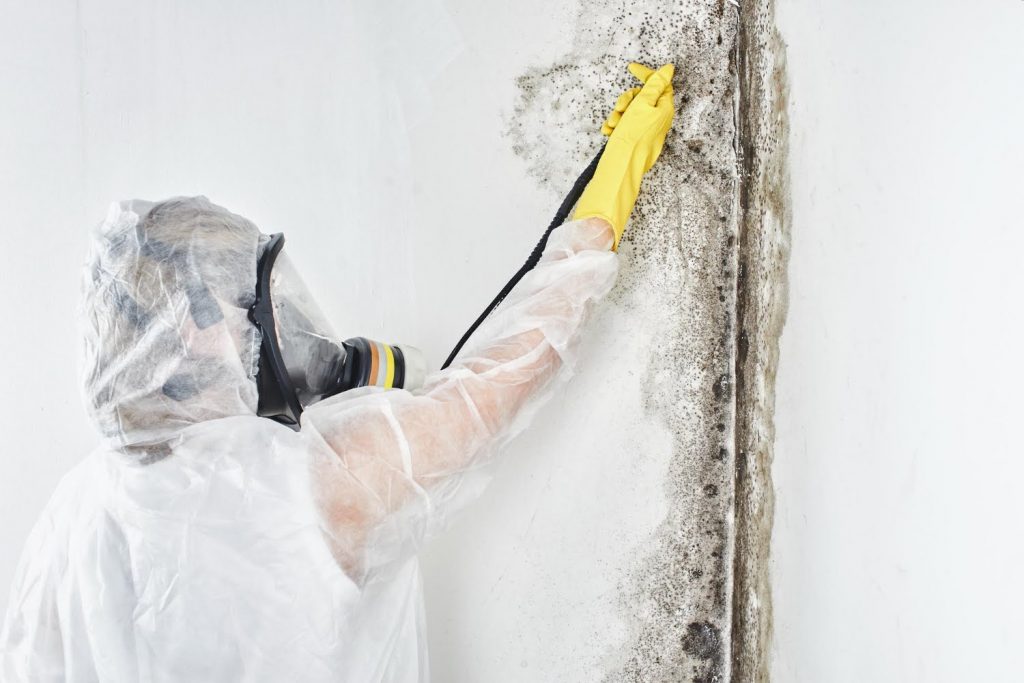
As spring settles in across Michigan, snowmelt and warmer air start to bring things back to life. But something else can wake up this time of year too, indoor mold. For first-time homeowners, spotting mold problems after winter can feel unexpected and a little overwhelming.
Mold has a way of showing up quietly. It can grow in spots you might not think to check until it becomes a bigger issue. Since melted snow and rising humidity often go hand-in-hand, this season is a common time for mold to appear inside walls, ceilings, crawl spaces, and basements. That’s why understanding Michigan mold removal can make such a difference once winter ends.
What Causes Mold to Grow in a Michigan Home
Cold winters in Michigan often leave moisture trapped inside homes. That trapped moisture doesn’t always dry out on its own. When spring rolls in, it starts to rise as vapor or collect in places where airflow is weak.
Some of the most common causes we see are:
- Poor ventilation in bathrooms, attics, and laundry areas
- Leaks missed during the winter, especially behind walls or under floors
- Leftover snowmelt slowly leaking into basements through cracked foundations
- Crawl spaces that collect water or stay damp longer than expected
First-time homeowners might not realize these hidden spots exist, especially in homes that were closed up tightly during the colder months. Closed vents, overstuffed storage rooms, and unused lower levels can all invite mold if they hold moisture.
For many, getting used to Michigan’s long winters means learning how your home reacts to cold and when that shifts into springtime dampness. If you’re not used to these cycles yet, it can be easy to overlook how important small steps like running a fan or opening a vent can keep moisture from settling in. Some homes have older foundations or poorly sealed windows, and those spots are usually the first places where moisture gathers and mold gets a foothold.
Signs of Mold Growth You Shouldn’t Ignore
Mold doesn’t always make itself obvious right away. Even when it’s not clearly visible, it can still be spreading behind drywall, under flooring, or through air vents. But there are warning signs you can spot if you know what to look for.
Here are a few red flags to watch for:
- Small black, green, or even white spots on wood or drywall
- A lingering musty smell that doesn’t go away with cleaning or open windows
- Coughing, sneezing, or breathing issues that happen more in certain parts of the house
Sometimes people overlook these changes and assume it’s just leftover winter stuffiness. But when mold hides in corners or behind furniture, it can get worse quickly. Catching it early makes the cleanup smaller, less invasive, and less expensive.
It’s worth paying extra attention when you move furniture around for the first time in months or get into corners you haven’t seen all winter. Sometimes just flipping over a rug or opening a storage closet can show signs that moisture was there. Mold can start small, but it rarely goes away on its own, and musty odors are often a sign there’s more happening under the surface. Even if you keep a house neat and dry, spring moisture and rising air movement can wake up dormant spores and allow them to spread fast.
Why Timing Matters: Spring Conditions and Mold Risk
Michigan spring weather tends to swing between rain, warm spells, and chilly nights, not the best mix for keeping homes dry. The leftover dampness from winter plus the added humidity from spring rain creates a perfect environment for mold.
That’s why inspections in early spring are so helpful. When we check sooner, we can often stop problems before they move too deep into the structure. Some signs are easy for us to find, like damp drywall or musty odors near insulation. Others, like wet attic corners or HVAC duct residue, take more investigation, but the earlier we start, the less damage spreads.
Some springs are wetter or colder than others, and the amount of melting snow can change from year to year, but any spring thaw increases the chance of water creeping into basements or crawl spaces. Mold doesn’t care if the moisture comes from rain, snow, or just humid outside air. By doing a visual check after the weather changes, you’re often able to spot trouble before it gets firmly established.
This is also when most first-time homeowners begin spending more time outdoors or opening windows more often. That change in airflow can stir up spores that have been settling in still air through the colder months. Michigan mold removal during this time is especially important before small colonies grow harder to control.
What Happens During a Professional Mold Removal Process
When we’re called in to handle mold removal, we don’t just wipe down surfaces and leave. Mold travels through air and clings to fibers, wood, tile grout, and even behind wallpaper. So we follow clear steps to make sure it’s properly removed.
A standard process includes:
- Identifying all visible and hidden areas of mold
- Containing the area to stop spores from spreading
- Removing mold-affected materials that can’t be cleaned (like certain drywall patches or fabrics)
- Drying surrounding areas completely to stop it from coming back
- Filtering the air to remove any loose spores floating around
- Restoring or repairing parts of the building that were taken out during removal
Our technicians use advanced HEPA air filtration and wear personal protective equipment throughout the job to protect your home and family. EPA-registered cleaning products are applied to affected surfaces to kill mold spores safely and thoroughly, reducing the risk of recurrence.
Trying to handle this alone can lead to bigger problems if the mold comes back or spreads without being fully removed. We look at the structure, moisture paths, and circulation in the home before declaring it clear and back to normal.
If drywall or flooring has to be removed, we will look for other signs that mold may have found places to spread, like behind cabinets or inside vents. We also test and retest air quality, making sure clean-up was a success, and give advice that fits your home so you know your space is safe again.
Preventing Mold from Coming Back
After mold is removed, keeping it from returning becomes the next job. Spring makes this tricky because the ground stays wet longer and indoor air still feels heavy with humidity.
Here are a few practical steps to reduce mold risk:
- Keep dehumidifiers running in trouble spots like basements or bathrooms
- Repair clogged gutters and direct water away from the foundation
- Make sure all bathrooms and laundry rooms have working exhaust fans
- Let air circulate, open doors and move furniture away from walls when possible
- Check attic insulation and roof areas for leftover winter damage or leaks
These tasks are easier to manage if they become part of a routine, especially through April and May as rain increases and daytime temperatures rise.
Some homes might need more regular checks than others because of their location, age, or layout. If you’re not sure, focus on areas that stayed closed all winter or places you already noticed stayed damp longer after a rainy day. Keep an eye out for peeling paint, bubbling drywall, or even condensation around windows since these are clues that there might still be hidden moisture working its way into a wall or ceiling.
If your home is newer or you recently moved in, this is a good time to get to know where water collects outside, where gutters drain, and which parts of the house seem cooler and damper even on dry days. The better you know your home’s quirks, the less chance mold has to surprise you.
Getting Ahead of Mold Before It Grows
Spring brings a welcome change across Michigan, but with it comes reminders to check what winter may have left behind. As first-time homeowners adjust to new responsibilities, mold prevention and early awareness can protect a home from hidden damage.
By knowing what causes mold and acting at the first signs of trouble, it becomes much easier to keep a house healthy and safe. Paying attention to moisture, air quality, and small changes in your space can help you stay ahead of mold before it has a chance to spread.
Worried about the effects of spring weather or noticing signs of mold in your Michigan home? Acting early can prevent bigger issues from developing in damp areas or behind walls. With years of experience handling moisture problems across the state, we know what to look for when the seasons change. Learn more about how we approach Michigan mold removal and discover the steps that can make a real difference. Call PuroClean of Howell today so we can take a closer look at what’s happening in your space.