


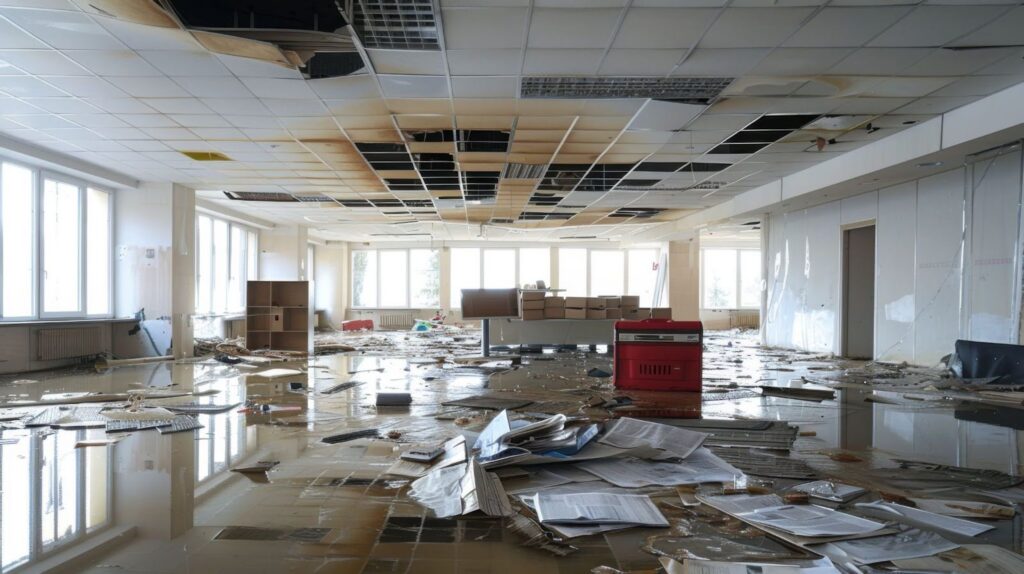
When water damages a business space, things can go south fast. Pipes freeze, ceilings leak, and carpets soak through long before anyone outside the building notices. As we move through the colder end of winter here in Michigan, thawing ice and shifting temperatures increase the risk of indoor water trouble almost overnight. That’s where commercial water restoration comes in. It’s more than just drying floors, it means knowing which problems bring hidden risks and how to treat them quickly before they create bigger damage.
While cleanup around the house is one thing, commercial buildings face their own set of challenges. A warehouse, office, or school might have wider open areas, heavier foot traffic, or more complex systems tucked behind the walls. When water damage shows up in places like these, surface cleaning usually isn’t enough to handle what’s really going on.
Signs That Water Damage Needs More Than a Mop
Some water messes are easy to see. But others quietly build up under the surface and show only small clues at first. Recognizing those signs early can help keep today’s mess from turning into next month’s mold or permanent structural damage.
• Watch for bubbling paint, soft drywall, or warped wood flooring
• Follow musty odors, especially in lower levels or closed-off storage rooms
• Notice if areas feel hot and humid in spots they shouldn’t
Businesses sometimes wait too long, thinking it’s just a small leak that will dry on its own. But when water gets absorbed into walls or under carpet, it doesn’t always dry out completely, at least not without some help. That lingering moisture can lead to mold growth or even weaken parts of the structure over time. That’s why it’s smart to treat a soggy ceiling tile or discolored baseboard like a warning sign rather than a simple cleanup job.
It’s also important to understand that some materials, like ceiling tiles or drywall, can quickly become hazardous if they stay damp. This is especially true in commercial buildings, which may have more difficult-to-access spaces or larger surface areas for water to spread. Paying attention to these signs makes it easier to start the restoration process before problems multiply.
Steps Restoration Teams Take After Water Damage
When we respond to a water damage call, we don’t just bring tools, we bring a process. That process starts with figuring out exactly where the water went and how deep it spread. A fast visual check gives us the basics, but we go beyond what we can see.
1. Inspect the area and look for safety hazards like soaked wiring or sagging ceilings
2. Extract water using equipment designed for larger spaces
3. Set up drying tools like air movers and dehumidifiers to draw out hidden moisture
4. Monitor the drying process to prevent leftover pockets of dampness
Each step builds on the last. Removing wet materials too early or skipping a final moisture reading might leave hidden problems behind. We’re focused on more than just appearance. Getting the space safe and ready for people to return matters most.
While it may seem like cleanup could be done quickly with just a few fans or towels, our team takes extra care to map out affected areas, establish a thorough drying plan, and check progress regularly. This extra attention helps avoid rework or missed areas that could cause problems later.
Tools and Technology Used in Modern Water Repair
Restoration today isn’t just fans and buckets. We rely on a mix of tools designed for finding, drying, and monitoring moisture throughout various building types. Knowing what to use and when can make all the difference in larger commercial settings.
• Pumps are used for fast water removal when large amounts have pooled
• Air movers help push moisture out of carpets or floor layers
• Dehumidifiers pull dampness from the air to speed drying time
• Moisture meters and sensors help track damp spots hidden behind walls or under flooring
One mistake people make is thinking that just because a surface looks dry, the deeper layers are, too. Our tools help confirm whether a wall or ceiling is actually dry or just appears that way. That includes checking corners, insulation, and materials that don’t dry easily on their own. Plus, the equipment we bring is sized to match the building’s needs, small machines won’t help much in wide warehouse spaces.
We also bring the right safety gear to protect against hidden risks like mold spores or chemicals that might be in the water. In commercial spaces, this extra caution helps avoid unnecessary health issues or cleanup delays.
With advances in technology, we can now identify moisture behind walls without tearing them open. Infrared cameras, hygrometers, and remote monitors let us keep track of any changes during the drying period. This way, we only perform extra repairs where they’re truly needed, which helps speed up reopening the building.
Specialized Commercial Restoration Services in Michigan
At PuroClean of Howell, our commercial water restoration team is certified and trained to handle both large-scale disasters and smaller emergencies. We offer 24/7 emergency services, including water removal, structural drying, moisture mapping, and contents restoration. We use thermal imaging cameras and advanced drying equipment, and we follow strict IICRC standards to help Michigan businesses recover quickly and safely.
Our specialized approach means we can handle unique building layouts, equipment setups, and other features that are common in Michigan commercial properties. We work quickly to restore not just the structure but also the air quality and safety needed for daily business. Our team carefully documents every step and communicates clearly with owners and staff, making the process less stressful for everyone involved.
We also help with insurance paperwork and can answer questions about coverage and next steps, easing the burden during a stressful time. For Michigan businesses that rely on their space for critical operations, this level of support can speed up the entire recovery process.
Preparing Commercial Buildings Before Help Arrives
While it’s best not to handle the repair yourself, there are a few safe steps to take before restoration begins. The goal is to slow down the water’s spread or remove anything that could be damaged further.
• Shut off water valves for the affected area if it’s safe to do so
• Cut power to areas where water may reach outlets or electronics
• Move valuable items or important documents away from standing water
• Use towels or absorbent mats at doorways to keep water from spreading between rooms
In Michigan, late winter means melting snow can push water through door frames or into basement areas fast. Shoveling snow away from entrances and checking that floor drains aren’t blocked can help prevent extra mess. It’s also smart to walk your property occasionally and know where shutoff switches and emergency contacts are posted. If your building uses a shared system or has multiple users, having that info visible makes a difference.
We recommend having a simple emergency folder on-site, digital or printed, with any maintenance instructions, contacts, and building maps that could speed up inspection and response.
Even small efforts before the restoration service arrives can protect equipment or furniture from extra damage. By shutting off water sources, blocking off puddles with towels, and making sure people stay clear of soaked electrical outlets, you help keep everyone safer. Our team can then focus on cleanup and repair right away when we get there.
Why Quickly Handling Damage Protects Long-Term Use
The longer water stays where it shouldn’t be, the more expensive and complicated cleanup becomes. It doesn’t take long for soaked materials to weaken, mold to spread, or odors to settle into spaces that have heavy foot traffic.
Commercial water restoration helps stop that damage early. It’s about cleaning up fast, yes, but it’s also about protecting safety, indoor air, and how the building is used day to day. For Michigan businesses especially, those rapid swings between freeze and thaw can make water damage harder to catch until it has already spread behind the scenes.
Acting quickly keeps recovery easier. It helps your building stay in rotation without needing long shutdowns or major repairs later. The tools, steps, and skills involved in proper cleanup all work together to get your teams and tenants safely back in place.
Some damage does not show up until weeks later if it is not handled the right way the first time. Odors, stains, and damp air are all signs that hidden water was missed. Addressing water issues quickly cuts down on those later surprises, saving both time and cost for future repairs.
Unexpected water issues can quickly disrupt your Michigan business and even a small leak can lead to bigger problems if left unattended. Our team specializes in fast, thorough solutions designed for businesses that need to stay up and running. Learn how our commercial water restoration process can help you protect your property. Call PuroClean of Howell today and let us get your space back on track.