How Michigan Businesses Bounce Back After Disaster
Commercial property damage hits fast. A storm rips off part of a roof, a pipe breaks over a showroom, an electrical fire fills an office with smoke, or vandalism leaves broken glass and water everywhere. In just a few minutes, a normal workday turns into chaos, with alarms, standing water, and worried employees.
In those first stressful hours, knowing what happens during commercial damage restoration services can make a big difference. When owners and managers understand the process, they can make clear decisions, protect people, and help keep the business moving. As a local restoration team in Howell, we see how Michigan weather, aging buildings, and insurance requirements all shape what happens next.
In this article, we walk through what to expect, step by step. We explain the first emergency actions, how a restoration plan is built, what the cleanup and repair work looks like, and how to keep staff and customers safe while you get back on your feet.
First Hours After Damage: Stabilizing Your Property
Right after damage, the top priority is safety and control of the site. Before anything else, the scene needs to be checked for:
- Structural concerns like sagging ceilings or weakened floors
- Utility problems like gas leaks or exposed wiring
- Slip-and-fall risks from wet surfaces or debris
- Air problems from smoke, dust, or possible contaminants
Unsafe areas are blocked off. Doors and windows may be secured, and signs go up so employees, tenants, and customers know where they cannot go. Keeping people out of danger zones helps avoid injuries and keeps the scene clear for trained crews.
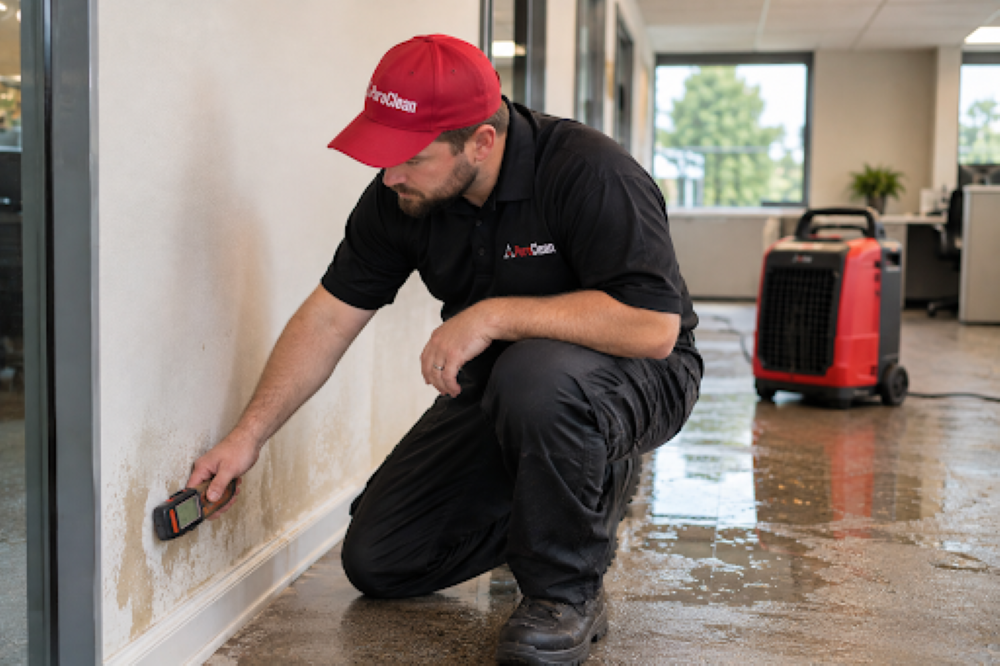
When a commercial damage restoration team arrives, they start with a careful walkthrough. They take photos and notes, map out all affected areas, and use tools to check for things you cannot see, like hidden moisture or lingering smoke. This early documentation covers:
- Building surfaces, fixtures, and equipment
- Furniture and inventory
- Specialty items like machinery or display cases
Good records from the start help with insurance claims and planning the work. At the same time, mitigation begins so the damage does not get worse. That can mean:
- Pumping and extracting water
- Removing burned or charred materials
- Setting up drying and air filtration equipment
- Installing temporary coverings and weatherproofing after storms
Fast mitigation cuts down on long closures, mold growth, bad odors, and secondary damage to flooring, electronics, and inventory.
Inside the Restoration Plan: From Assessment to Strategy
Once the property is stable, the next step is a detailed inspection. Technicians look for every type of damage, including:
- Water damage in walls, ceilings, and floors
- Fire and smoke damage on surfaces and inside HVAC systems
- Mold that may have started where moisture sat too long
- Biohazard issues from sewage backups or other unsafe materials
Special attention goes to high-impact areas like IT rooms, medical suites, restaurants, and retail floors. These spaces often bring in daily revenue, so restoring them correctly and safely is a high priority.
From this inspection, the team creates a written plan or roadmap. This usually includes:
- A clear scope of work
- A rough timeline with phases, such as mitigation, cleaning, repairs, and final checks
- Plans for handling building materials and content
Michigan weather plays a big role in planning. Freeze and thaw cycles, heavy rains, snow events, and lake-effect storms affect how drying is managed, how materials respond, and when certain outside repairs can be scheduled.
Good communication keeps everyone on the same page. Restoration contractors often coordinate with:
- Insurance adjusters
- Property managers and facility teams
- Franchise owners or corporate offices
Owners and managers can then update staff and tenants, set expectations for temporary closures, limited access zones, or shortened hours, and explain what will happen next.
The Work in Action: Cleaning, Drying, and Repairs
With the plan in place, the hands-on work continues. For water and moisture control, crews set up structural drying and dehumidification equipment. They take frequent moisture readings and adjust settings so materials dry at a safe rate, which helps protect finishes, equipment, and structure.
Damaged materials that cannot be saved may be removed so hidden moisture and contamination are not trapped. Contents like furniture, documents, and electronics may be:
- Carefully moved to drier areas
- Packed out for cleaning and storage
- Cleaned on-site when conditions allow
Fire and smoke damage require another set of steps. Teams clean soot from walls, ceilings, fixtures, and HVAC components using methods matched to the type of surface. Soot can be corrosive and can carry strong odors, so removing it thoroughly is important for both appearance and safety.
Odor control is more than just air freshener. Crews may use:
- HEPA air filtration devices
- Thermal fogging or similar methods
- Other specialized deodorization techniques
These methods help remove smoke and other odors from both the air and porous materials so the space feels comfortable again.
If mold is found, it is handled with care. That usually includes:
- Setting up containment barriers and negative air machines
- Using HEPA filtration to capture spores
- Removing and disposing of affected materials under safety rules
Biohazard cleanup, such as sewage backups, trauma scenes, or possible viral contamination, is done using strict health guidelines and proper protective gear. This protects both workers and building occupants.
Keeping Your Business Running During Restoration
Most owners want to know how much they can keep operating while all this is happening. A thoughtful restoration plan looks at business continuity from the start. Crews may:
- Prioritize lobbies, reception areas, exam rooms, production lines, or retail floors
- Focus first on code-required exits and safe access routes
- Work in phases so revenue-producing areas can reopen sooner
In some cases, businesses use limited hours, partial occupancy, or temporary relocation of certain tasks while repairs continue elsewhere. The right solution depends on the type of business, the damage, and safety rules.
Protecting staff, customers, and brand reputation goes hand in hand with the physical work. Clear communication helps, such as:
- Posting straightforward safety notices and wayfinding signs
- Sharing updates on which areas are open or closed
- Setting expectations about noise, dust, and temporary changes
Professional jobsite management keeps the work as clean and organized as possible so people feel safe and respected while they are in or near the building.
At the end, final inspections and quality checks confirm that the work meets the agreed scope and standards. Owners and insurers receive documentation of the completed work, which can include photos and notes about repairs and cleanup.
This is also a good time to talk about long-term resilience. Many properties benefit from:
- Better drainage and gutter maintenance
- Roofing upgrades or improved flashing
- Added insulation or protection around pipes
- An updated emergency response plan tuned to Michigan weather
Commercial Damage Restoration Services FAQs
How Fast Can a Restoration Team Respond to Michigan Damage?
Response times vary by location and weather conditions, but many professional providers offer 24/7 emergency service and can often arrive within a few hours. During larger regional events, crews are usually dispatched based on safety concerns, size of the loss, and the risk of further damage or extended business interruption.
How Long Does Commercial Damage Restoration Usually Take?
The length of the project depends on the size of the building, the type of damage, and how many areas are affected. Smaller incidents, like limited water or smoke damage, may be addressed in several days, while larger losses that involve wide-area drying, detailed cleaning, repairs, and inspections can take weeks. A qualified restoration team should provide an estimated schedule and regular updates.
Will My Business Need to Shut Down Completely During Restoration?
Not always. Many commercial properties can stay partially open while work is completed in phases, behind containment barriers, or during off-hours. Whether this is possible depends on safety, code requirements, the type of business you run, and where the damage occurred. Your restoration provider can help design a plan that balances safety with business needs.
How Do Commercial Damage Restoration Services Work with Insurance?
Most restoration companies communicate directly with insurance carriers and adjusters. They share documentation, photos, readings, and detailed estimates to help explain what work is needed and why. Property owners and managers still make the key decisions, but having a team that understands the process can help claims move forward more smoothly.
What Should I Do Before the Restoration Team Arrives?
Focus on safety first. Stay out of areas that look unstable, avoid turning on electrical items in wet spaces, and keep staff and customers away from hazards. If it is safe to do so, you can move critical documents, small electronics, or irreplaceable items away from affected areas. Do not attempt major cleanup, especially where mold, smoke residues, or biohazards may be present, and contact trained commercial restoration professionals as soon as you can.
Protect Your Commercial Property With Fast, Reliable Restoration
When damage disrupts your business, our team at PuroClean of Howell is ready to respond quickly and help you get back to normal operations. Explore our commercial damage restoration services to address water, fire, mold, or other property emergencies with professional care. If you need immediate assistance or want to discuss a tailored plan for your facility, please contact us today.