


Preparing your home for winter is essential to avoid heat loss, prevent winter damage, reduce energy costs, and keep your property safe—especially for homeowners across Long Island, where cold temperatures, coastal moisture, and winter storms can increase the risk of property damage.
This winter home maintenance checklist explains the most important steps to take before temperatures drop, using proven strategies that help homeowners in Suffolk and Nassau County, NY protect their homes from common cold-weather problems like drafts, fire hazards, frozen pipes, and moisture intrusion.
Why Winter Home Maintenance Matters
Winter weather brings several challenges that can impact safety, comfort, and the condition of your home. On Long Island, freezing temperatures, snow, and fluctuating humidity increase the likelihood of water damage, fire hazards, heat loss, and mold growth. A thorough winter home maintenance plan helps you stay prepared and avoid problems that often emerge when freezing temperatures arrive.
A well-maintained home in winter allows you to:
- Prevent costly repairs caused by burst pipes, ice dams, or furnace breakdowns
- Improve indoor comfort by keeping warm air inside and blocking cold drafts
- Reduce winter energy bills through better insulation and efficient heating
- Strengthen home safety systems, including smoke alarms and carbon monoxide detectors
By taking action early, homeowners can protect both their property and their family’s safety during the coldest months of the year.
1. Prepare an Entryway Shoe Storage Area
Winter weather brings snow, slush, and moisture into your home, which can create slippery floors, mold growth, and unwanted water damage—issues commonly seen in Long Island homes during winter storms. A well-organized entryway acts as the first line of defense against winter mess.
Consider adding:
- Boot trays to collect melting snow and prevent puddling
- Hooks or cubbies for wet coats, gloves, and scarves
- Water-resistant mats designed to absorb moisture and protect flooring
This simple winter home maintenance task keeps your entryway safe, reduces cleaning time, and minimizes the risk of moisture-related damage.
2. Organize Your Garage for Winter
A cluttered garage becomes even more frustrating once freezing weather arrives. Organizing your garage before winter helps improve safety, efficiency, and accessibility—especially during snow events common throughout Suffolk County and Nassau County.
To get ready:
- Move warm-season tools to the back or upper shelving
- Bring forward snow shovels, ice melt, snowblowers, and de-icers
- Pre-apply de-icer or sand near the garage entrance
This preparation helps prevent slips, falls, and cold-weather injuries.
3. Protect Your Home from Winter Pests
As temperatures drop, pests such as rodents and insects seek warm shelter indoors. Winter pest prevention is an important part of home maintenance, particularly in older Long Island homes with basements or crawl spaces.
To reduce pest activity:
- Apply an exterior perimeter spray
- Seal cracks and gaps around foundations, windows, and doors
- Store firewood away from the home
Keeping pests out helps protect indoor air quality and prevents contamination or property damage.
4. Protect Outdoor Furniture and Equipment
Snow, wind, and ice can quickly damage outdoor furniture, grills, and equipment. Without proper protection, items may rust, crack, or develop mold—especially in coastal areas.
Be sure to:
- Cover patio furniture with waterproof covers
- Clean and cover grills
- Empty and secure children’s outdoor toys
- Protect outdoor heaters
This winterizing step extends the lifespan of outdoor items and reduces replacement costs.
5. Winterize Your Windows to Reduce Heat Loss
Windows are one of the biggest sources of heat loss during Long Island winters. Winterizing windows improves insulation and reduces energy bills.
To reduce heat loss:
- Remove window screens to maximize sunlight
- Use draft stoppers
- Seal gaps with weather stripping or caulk
- Install insulated curtains
These improvements help maintain stable indoor temperatures and reduce strain on your heating system.
6. Empty or Store Plant Pots Before Freezing Temperatures
Freeze-and-thaw cycles common in the Northeast can crack outdoor pots. Preparing planters helps prevent damage and moisture buildup.
To protect your pots:
- Bring clay and ceramic pots indoors
- Empty soil from outdoor containers
- Clean debris and store upside down
This step also helps prevent mold and pests.

7. Schedule a Furnace Inspection and Improve Heating Efficiency
Your heating system works hardest during winter. A professional furnace inspection improves safety and efficiency—especially important for homes in Suffolk and Nassau County, where cold snaps can strain older systems.
A proper inspection includes:
- Checking burners and heat exchangers
- Testing airflow and ventilation
- Measuring carbon monoxide output
- Replacing filters
- Verifying thermostat accuracy
The EPA recommends replacing furnace filters every 60–90 days during heating season.
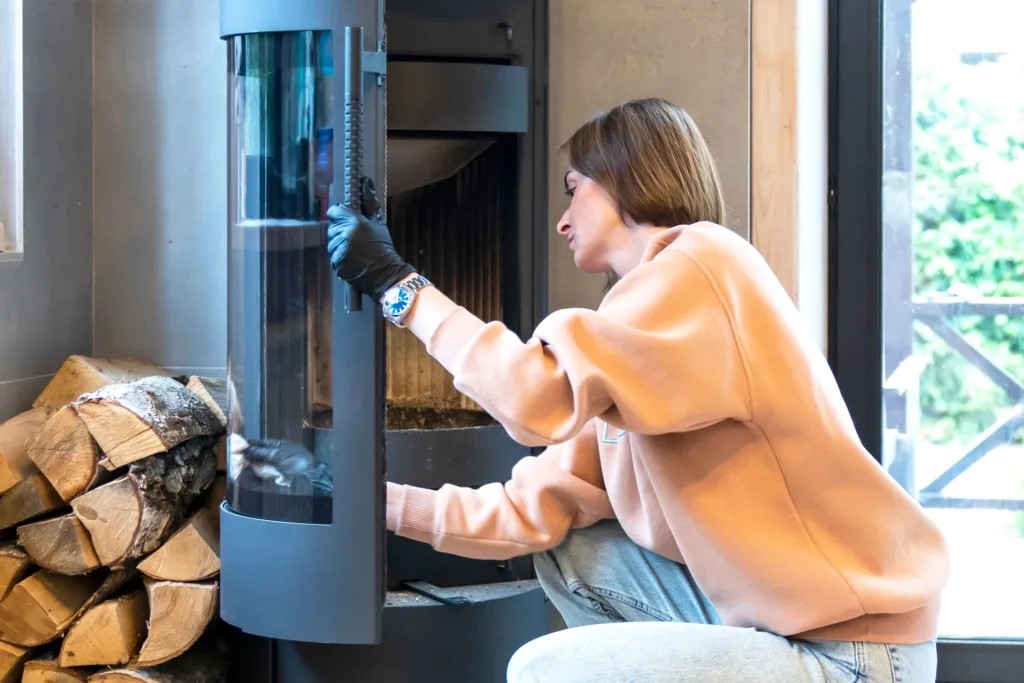
8. Inspect Your Fireplace and Chimney for Winter Safety
Fireplaces must be properly maintained to avoid fire hazards. Creosote buildup and blockages increase the risk of chimney fires.
Before winter:
- Check for soot, creosote, or nests
- Inspect for cracks or loose bricks
- Ensure the chimney cap is secure
- Schedule professional cleaning if needed
The U.S. Fire Administration and NFPA recommend annual chimney inspections.
9. Seal and Insulate Air Ducts to Reduce Energy Loss
According to the U.S. Department of Energy, up to 20% of heated air can be lost through leaky ducts—common in basements and crawl spaces found in many Long Island homes.
Improve efficiency by:
- Sealing duct seams with approved tape or mastic
- Insulating exposed ductwork
- Checking for corrosion or gaps
This reduces energy waste and improves indoor comfort.
10. Test Smoke and Carbon Monoxide Alarms Before Heating Season
Winter increases fire and carbon monoxide risks due to heaters and fireplaces. Alarm testing is one of the most important winter safety steps.
Your checklist should include:
- Testing alarms monthly
- Replacing batteries
- Installing CO alarms near bedrooms
- Replacing smoke alarms every 10 years
- Confirming UL listing
Winter Home Maintenance Quick Checklist
| Task | Why It Matters |
| Entryway setup | Prevents water damage & slips |
| Garage prep | Fast access to winter tools |
| Pest prevention | Avoids infestations |
| Protect furniture | Prevents weather damage |
| Window winterizing | Reduces heat loss |
| Empty pots | Prevents cracking |
| Furnace inspection | Improves safety |
| Fireplace check | Prevents chimney fires |
| Duct insulation | Reduces energy waste |
| Alarm testing | Protects from fire & CO risks |
| Prepare your roof | Prevents water damage |
Summary: Winter Home Maintenance
- Winter increases risks like water damage, drafts, fire hazards, and energy loss
- Early preparation helps prevent costly repairs
- Small steps can significantly improve safety and comfort
- Homes in Suffolk and Nassau County benefit from proactive winterization
Conclusion: Protect Your Home With a Complete Winter Maintenance Plan
Preparing your home for winter helps prevent expensive damage, reduce energy waste, and protect your family. From furnace inspections to moisture control, each step in this winter home maintenance checklist supports a safer and more efficient home.
If you experience water damage, mold growth, or fire damage during winter, PuroClean of Huntington is available 24/7 to help homeowners across Suffolk and Nassau County, NY.
Contact PuroClean of Huntington Today!
For professional property restoration services—including winter water damage cleanup, storm damage restoration, mold remediation, and fire restoration—contact PuroClean of Huntington at (631) 402-9700 today.
FAQs About Winter Home Maintenance
1. What is the most important winter home maintenance task?
Ensuring your heating system is safe and efficient through a professional inspection.
2. How can I reduce my winter energy bills?
Seal drafts, insulate ducts, and winterize windows.
3. When should homeowners start winterizing their homes?
Early fall or at least 2–4 weeks before the first freeze.
4. Do I need to clean my fireplace every year?
Yes. Annual cleaning reduces chimney fire risk.
5. Are carbon monoxide detectors mandatory?
Most states require them—check local regulations in New York.


