


Water damage is one of those problems homeowners often do not think about until something goes wrong. A leaking appliance connection, clogged gutter, failing water heater, or small plumbing leak can allow water to spread into flooring, drywall, insulation, and other building materials before the problem is noticed.
While not every water loss can be prevented, routine inspections and maintenance can help Long Island homeowners identify potential problems before they result in significant property damage.
Here are 10 areas around your home worth checking.
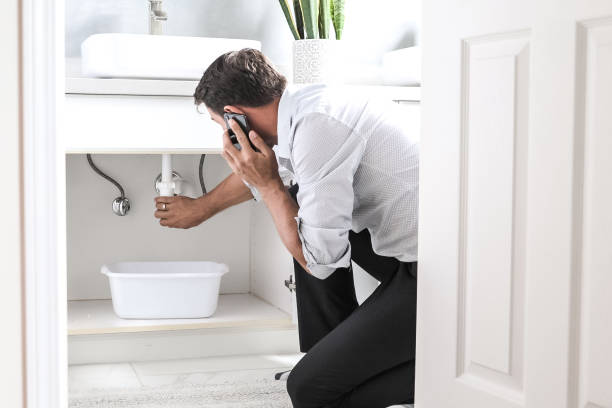
1. Check Under Sinks for Slow Plumbing Leaks
Small leaks beneath kitchen and bathroom sinks can go unnoticed for long periods of time. Periodically check supply lines, drain connections, shutoff valves, and the bottom of cabinets for moisture.
Water staining, swelling cabinetry, peeling finishes, or a musty odor may indicate that moisture has been present even if you do not see active dripping.
2. Inspect Your Washing Machine Connections
Washing machines use pressurized water supply lines that can loosen, deteriorate, or fail.
Check the hoses and connections periodically for cracking, bulging, corrosion, or signs of leakage. You should also look behind and underneath the washing machine for moisture that may otherwise remain hidden.
If a hose or connection shows signs of deterioration, replacing it before it fails can help prevent a much larger water loss.
3. Keep an Eye on Your Water Heater
A leaking water heater can release a significant amount of water, particularly when the unit is located in a basement or finished area.
Look around the base of the water heater for moisture, rust, corrosion, or water staining. Changes in the performance of the unit or unexplained moisture nearby should also be investigated.
If you are unsure about the condition of your water heater, have it inspected by a qualified plumbing professional.
4. Clean Your Gutters and Check Your Downspouts
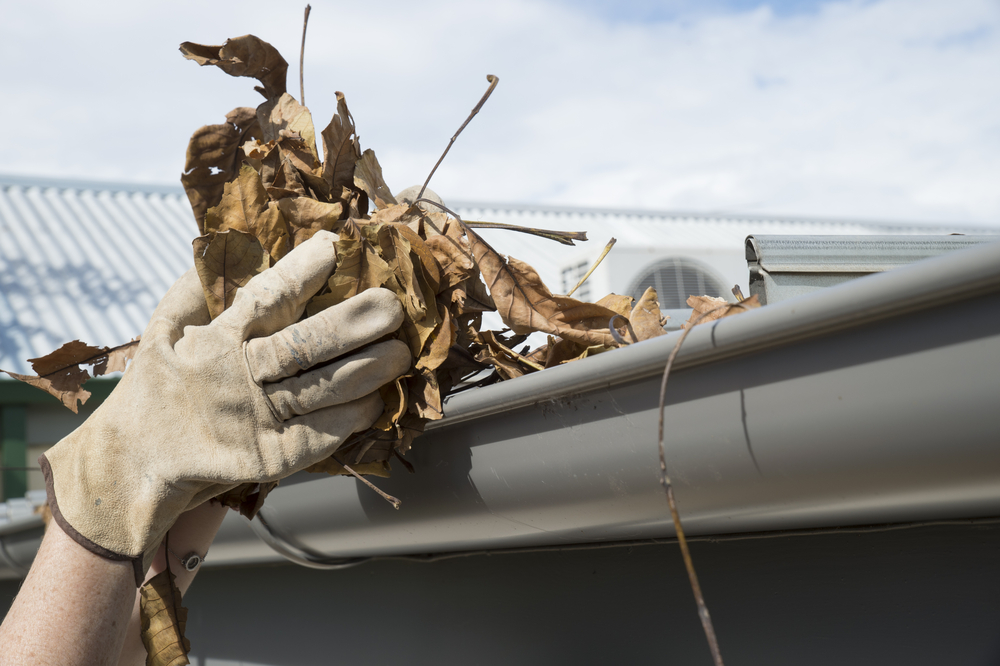
Long Island homes experience heavy rain, wind, falling leaves, snow, and other conditions that can put drainage systems to the test.
Gutters filled with leaves and debris may overflow rather than directing rainwater away from the house. Downspouts should also discharge water away from the foundation rather than allowing it to collect alongside the home.
Regular gutter maintenance is especially important during the fall when leaves can quickly create blockages.
5. Inspect Your Roof Before a Leak Appears Indoors
You do not have to wait until you see a water stain on the ceiling to start thinking about your roof.
Missing or damaged shingles, deteriorated flashing, problems around chimneys and roof penetrations, and other exterior issues can eventually allow water into the structure.
Having potential roof problems addressed early may prevent water from reaching the attic, insulation, ceilings, and walls below.
6. Check Windows and Exterior Doors
Windows and doors are common areas for exterior water intrusion.
Inspect the areas around them for deteriorated caulking, gaps, staining, peeling paint, or other signs that water may be entering.
After heavy rain, take a quick look around windows and exterior doors. Catching a small leak early can help prevent repeated moisture exposure inside the wall assembly.
7. Test Your Sump Pump
If your basement relies on a sump pump, you want to know that it works before the next major rainstorm.
Test the system periodically and keep the sump pit clear of debris. Homeowners may also want to consider a battery backup system so the pump can continue operating during certain power outages.
A sump pump should not be treated as something you only check once the basement starts taking on water.
8. Inspect Bathrooms for Failed Caulking and Seals
Bathrooms are designed to handle water, but that does not mean every material surrounding a shower, bathtub, sink, or toilet is waterproof.
Check caulking and seals around tubs and showers for cracks, gaps, or deterioration. Pay attention to loose flooring, discoloration, soft materials, or staining around toilets and plumbing fixtures.
Repeated small amounts of water can cause damage over time even when there has never been a major leak.
9. Know Where Your Main Water Shutoff Is
If a pipe or plumbing connection suddenly fails, being able to shut off the water quickly can make a significant difference.
Every homeowner should know where the main water shutoff valve is located and how to operate it. Other fixtures and appliances may also have individual shutoff valves.
Finding these valves for the first time while water is actively entering your home is not ideal. Familiarize yourself with them before an emergency happens.
10. Pay Attention to the Early Signs of Water Damage
Not every water problem begins with standing water.
Some of the earliest warning signs can include:
- Water stains on walls or ceilings
- Bubbling or peeling paint
- Warped or buckling flooring
- Swollen baseboards or cabinetry
- Musty odors
- Discoloration around plumbing fixtures
- Unexplained dampness
- An unusual increase in your water bill
These signs should not be ignored simply because the area feels dry at the time.
Water Can Travel Farther Than You Think
One of the challenges with water damage is that the visible area does not always represent the full extent of the problem.
Water can migrate underneath flooring, behind baseboards, into wall cavities, and through insulation. Materials can sometimes remain wet even when the exposed surface appears dry.
Professional restoration companies use moisture-detection equipment to help determine which areas have been affected and develop an appropriate drying plan.
Water Damage Prevention Starts With Regular Maintenance
There is no way to eliminate every possibility of water damage. Pipes can break, appliances can fail, and severe weather can cause unexpected problems.
However, regularly inspecting the plumbing, appliances, roof, gutters, drainage systems, windows, and other vulnerable areas of your home can help you identify potential problems sooner.
For Long Island homeowners, seasonal changes also make routine property inspections especially important. Heavy rain, coastal storms, freezing temperatures, snow, and falling leaves can all affect different parts of a home throughout the year.
PuroClean of Huntington: Your Local Water Damage Restoration Experts
Even with proper maintenance and prevention, water damage can happen when you least expect it. When it does, a fast response can help limit the extent of the damage and prevent moisture from spreading into surrounding materials.
PuroClean of Huntington provides professional water damage restoration for homeowners and businesses throughout Long Island and the New York City area. Our team is available 24/7 to respond to water emergencies, assess affected areas, remove standing water, identify hidden moisture, and professionally dry the property.
Whether the damage is caused by a plumbing leak, appliance failure, roof leak, storm, or unexpected flooding, PuroClean of Huntington is ready to help restore your property and get things back to normal.
Call PuroClean of Huntington today at 631-402-9700 for a free estimate and scope of work.


