


Biohazard Cleanup
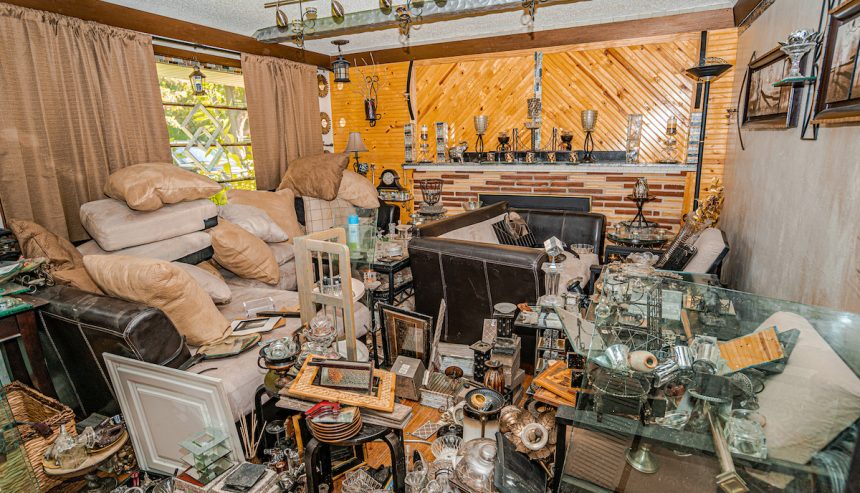
According to the Mayo Clinic, a leading nonprofit American academic medical center dedicated to healthcare and education, hoarding disorder is defined as “persistent difficulty discarding or parting with possessions because of a perceived need to save them.” Hoarding, also known as compulsive hoarding, is classified as a type of obsessive-compulsive disorder, which is an anxiety disorder. If you or a loved one has symptoms of hoarding disorder, it is recommended that you speak with a doctor or mental health professional as soon as possible.
The dangers of hoarding often lurk below the surface. It’s important to recognize these troubles and know what hoarding can do to a person and their home. In extreme hoarding cases, physical hazards can affect the hoarder and other members who live in the environment.
The Dangers of Hoarding: Types and Risk Factors
The dangers associated with hoarding can be divided into three main categories: physical, internal, and cleaning health hazards.
Internal Health Hazards
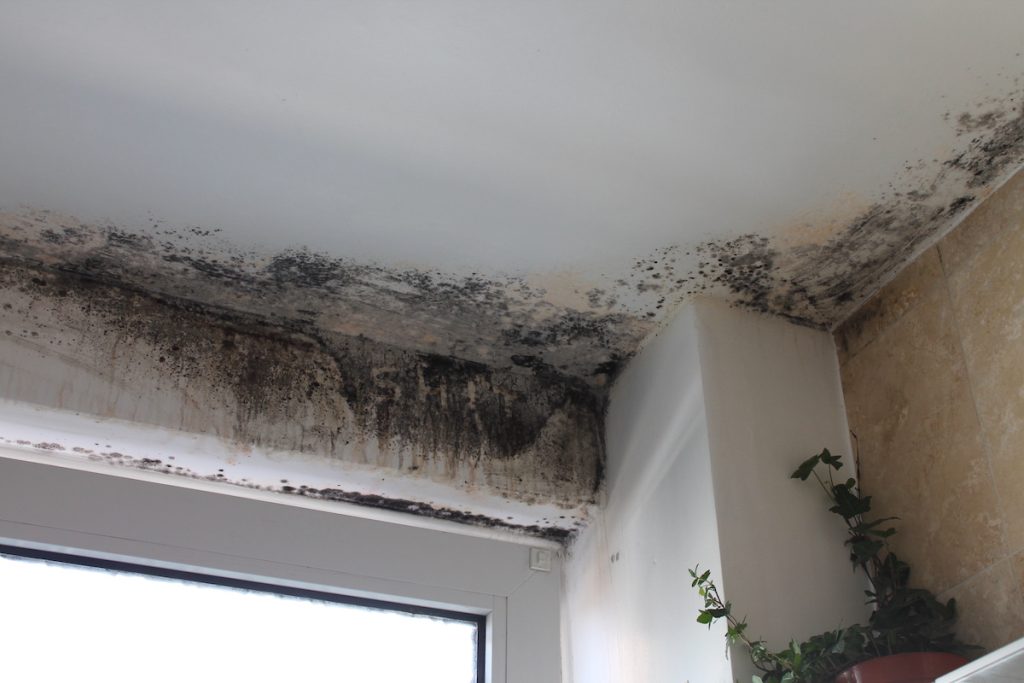
Internal health hazards are dangers related to the bacteria, mold, and dust mites that accumulate in a hoarded home and are associated with health risks.
- Bacteria. Rotting food, pet waste, and backed-up toilets are breeding grounds for bacteria. Bacterial infestations can cause gastrointestinal upset, diarrhea, and vomiting.
- Diseases. Hoarding can expose occupants to salmonella, E. coli, staph infections, and even hantavirus.
- Mold. When hoarding is coupled with water damage, the combination of organic material and moisture creates an ideal environment for mold to increase. Molds can trigger allergic reactions or asthma attacks and cause breathing problems in those living in the home.
- Pest infestation. Cockroaches, rats, flies, and other pests are attracted to spoiled food and animal waste products. A difficult hoarding situation can become a haven for pests that spread diseases to the people and animals living in these unsanitary conditions. Pests and animals are just a few of the dangers of hoarding.
- Dust mites. Dust mites are microscopic arachnids that feed on the skin flakes and natural fibers found in dust. They can also trigger health risks such as allergies and asthma and cause coughing, wheezing, and sneezing.
- Poor air quality. Cluttered spaces don’t allow the air to circulate correctly, trapping pollutants inside. This can contribute to poor air quality and worsen respiratory conditions like asthma or allergies.
Physical Hazards
Hoarders have persistent difficulty discarding tangible items, significantly contributing to potential physical hazards.
- Fires. Hoarded items can quickly become a fire hazard. As clutter accumulates, the chances of a spark setting off a raging inferno increases.
- Walking hazards. Clutter in a home creates an obstacle course for walking. This can lead to falls, cuts, and bruises.
- Tripping hazards. Clutter piles can fall and block paths to get around the house. Hoarding can create many trip hazards, including extension cords, power strips tangled across floors or furniture, and boxes in doorways blocking. This can make it difficult for emergency workers to quickly access hoarded homes during lifesaving emergencies, putting them at risk of injury or even death. These are a few examples of the tripping hazard dangers of hoarding.
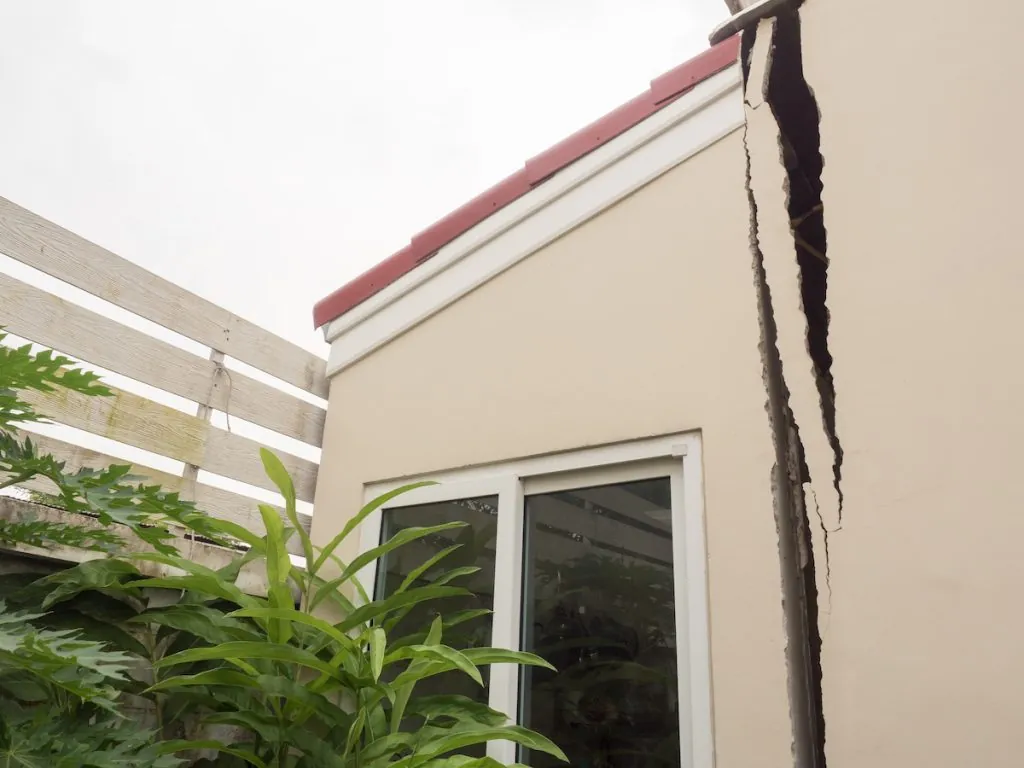
- Structural damage. Cluttered homes can experience significant damage due to accumulations of heavy items that can cause walls or floors to cave in or windowsills to become loose and dangerous.
- Animal hoarding. Hoarding poses a danger to pets and their human companions. In addition to the mental toll it takes on the animal hoarder, the animals may be malnourished, unsocialized, or even neglected.
- Animal proliferation. Hoarding disorder can lure wild animals to the home, like rats or raccoons, who are attracted to the food sources in the hoarded items. These creatures can spread diseases and bring even more harm to those living in the home.
- Immunocompromised individuals and the elderly. Unhygienic conditions can be hazardous for immunocompromised individuals (those with heart disease or diabetes and the elderly, for example), who are more at risk for bad health outcomes when exposed to illnesses prevalent in contaminated hoarding situations.
- Theft. Hoarders often don’t realize how vulnerable they are to robbery because of blocked entrances/exits and poorly lit areas.
Cleaning Hazards
Finally, hoarding can cause dangers associated with the cleaning process.
- Blocked airflow. Hoarding can block airflow, causing either low oxygen levels or blocking cool air on hot days. This can contribute to the dangers associated with fires, resulting in an even more hazardous environment.
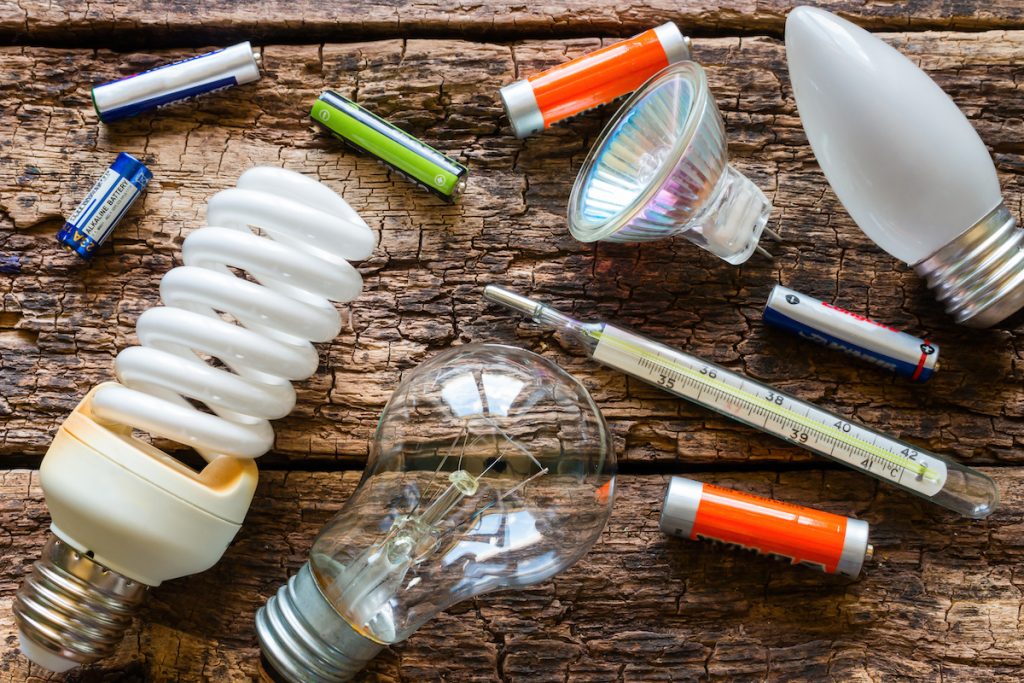
- Hazardous waste. Hoarders don’t often realize what is beneath the clutter piles and may accidentally expose themselves to dangerous materials. This can include old paint cans, cleaning chemicals, or toxic substances that were improperly disposed of.
- Injury. Hoarders may injure themselves while attempting to clean up their homes. In some cases, they may even suffer from physical exhaustion or dehydration due to the strenuous work required due to the dangers of hoarding.
- Lack of support. Many hoarding cleanup efforts are made without professional help, leaving hoarders at risk of relapse and not getting the support they need.
The dangers of hoarding are present to both the hoarder and their environment. These dangers range from health-related to physical hazards, cleaning threats, and more. It is essential for those affected by hoarding disorder to seek professional help when attempting to clean up their homes to keep themselves safe and healthy. Note that hoarding affects your homeowners insurance, as well.
The Hoarding Cleanup Procedure
Local communities in Suffolk and Nassau County have seen an increase in awareness about hoarding disorder and the need for proper cleanup services. Many homeowners associations and local authorities emphasize the importance of professional intervention when dealing with severe hoarding cases. Additionally, local laws and regulations may impact the disposal of hazardous materials, which is why working with experts familiar with county regulations is crucial.
The local climate can also contribute to hoarding-related risks. With Suffolk and Nassau County experiencing humid summers and cold winters, hoarded homes may be prone to increased mold growth in the warmer months and burst pipes in the winter due to poor heating circulation. These environmental factors make timely intervention even more critical.
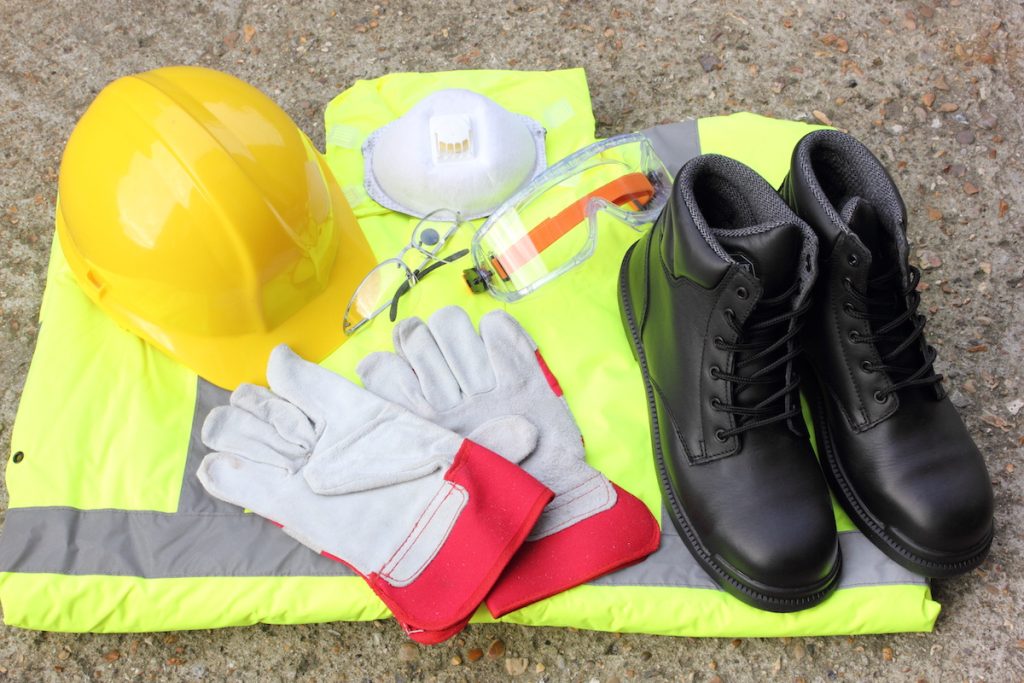
- Ensuring the safety of the restoration team. Workers must wear personal protective equipment (PPE), such as a hard hat, goggles, rubber boots, disposable gloves, dust masks, and protective clothing. PPE guards people against bacteria and diseases. They should also have a fire extinguisher, repellent spray, a flashlight, and a first-aid kit. To remove the items properly, the team will conduct their work according to Occupational Safety and Health Administration (OSHA) guidelines and local regulations.
- Utilize the correct cleaning supplies. The technicians will use vacuums, mops, brooms, and various cleaning solutions to clean the home from top to bottom. They will also need tools and cleaning equipment to remove the trash and clean the house, such as heavy-duty trash bags, empty boxes, buckets, cleaning solutions, disinfectants, and other items.
- Preparing a staging area and dumpster. Old furniture, clothing, and other items will be collected and placed in dumpsters or taken to a licensed landfill for proper disposal. The staging area should be cleared to ensure the home is safe and habitable.
- Decluttering the home and surrounding areas. The restoration team will declutter the house, removing and organizing items in an orderly fashion. They often start in the room with the closest exit to escape quickly in an emergency.
- Sorting the remaining contents. The cleaning crew will follow local regulations when handling items that cannot go directly into the garbage, like paints or explosives. Then, things that can still be used are sorted into piles for donation or recycling, while hazardous materials are disposed of according to pre-established protocols.
- Cleaning and repairing the house. Once the home decluttering is completed, hoarding cleanup professionals may also need to repair walls, floors, and ceilings. They must also sanitize the home with professional-grade cleaning products and deodorize it to remove any lingering smells. Finally, they will assess the house’s condition after completion to ensure that all potential hazards have been removed.
Following a proper hoarding cleanup procedure, hoarders and their families can reduce the dangers of hoarding posed by hazardous materials and extreme clutter in the home to create a safer, healthier environment. Professional biohazard restoration teams are equipped with the knowledge and skills to ensure the house is hazard-free and safe for everyone involved.
Hoarding cleanup is a complex process, but one that should be done to ensure safety for those living in or near the filthy environment. With the proper training, equipment, and sensitivity, professionals can help restore homes beset by hoarding efficiently.
Contact PuroClean of Huntington for Professional Hoarding Cleanup
At PuroClean of Huntington, we understand the complexities and sensitivities involved in hoarding situations. Our trained professionals use industry best practices to ensure a safe and effective cleanup process. We work in accordance with local regulations in Suffolk and Nassau County to dispose of hazardous materials properly and restore homes to livable conditions.
We recognize that hoarding is more than just clutter—it is a deeply personal and often emotional experience for those involved. That is why we approach each situation with the utmost empathy and care. Our goal is to help individuals and families reclaim their space while ensuring their safety and well-being. If you or a loved one requires hoarding cleanup services, contact PuroClean of Huntington today at (631) 402-9700 to learn how we can assist you.


