


When a fire occurs, most people focus on the visible damage—charred walls, destroyed belongings, and structural concerns. However, one of the most overlooked hazards after a fire is soot. This fine, black powdery residue can spread far beyond the flames, affecting your home and health in ways you may not expect.
What Is Soot?
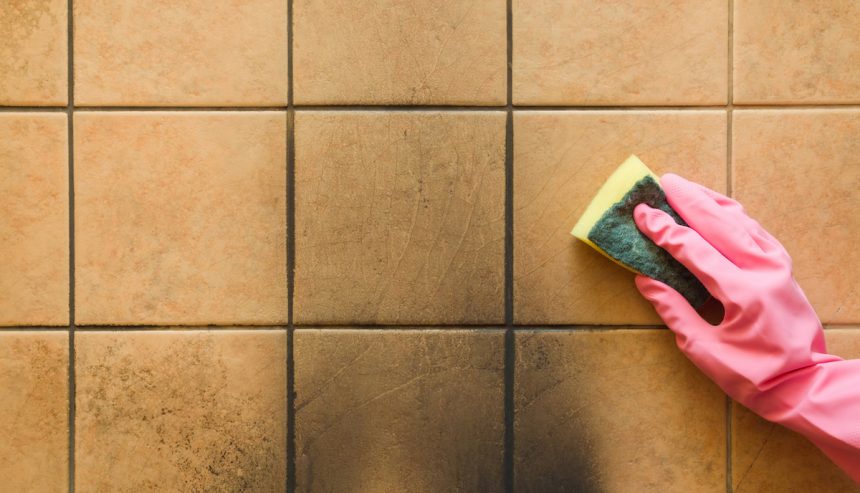
Soot is made up of tiny carbon particles that result from the incomplete combustion of organic materials, such as wood, plastic, and textiles. When a fire burns, soot can travel through the air and settle on surfaces throughout your property, even in areas that were untouched by flames.
Why Is Soot Dangerous?
1. Health Risks
Soot contains toxic chemicals and microscopic particles that can be harmful when inhaled or touched. Exposure to soot can cause:
- Respiratory issues, including asthma and bronchitis
- Eye, nose, and throat irritation
- Skin irritation and allergic reactions
- Long-term health risks due to carcinogenic substances
2. Lingering Odors
Even if your home appears clean after a fire, soot particles embed themselves in porous materials like carpets, furniture, and drywall. Without professional cleaning, these particles release persistent smoky odors that can linger for months.
3. Damage to Surfaces and Electronics
Soot is acidic, meaning it can corrode and degrade various materials over time. It can:
- Stain walls, ceilings, and floors
- Eat away at metal fixtures and appliances
- Short-circuit electronics by settling inside devices
The Long Island Brush Fires: A Recent Example
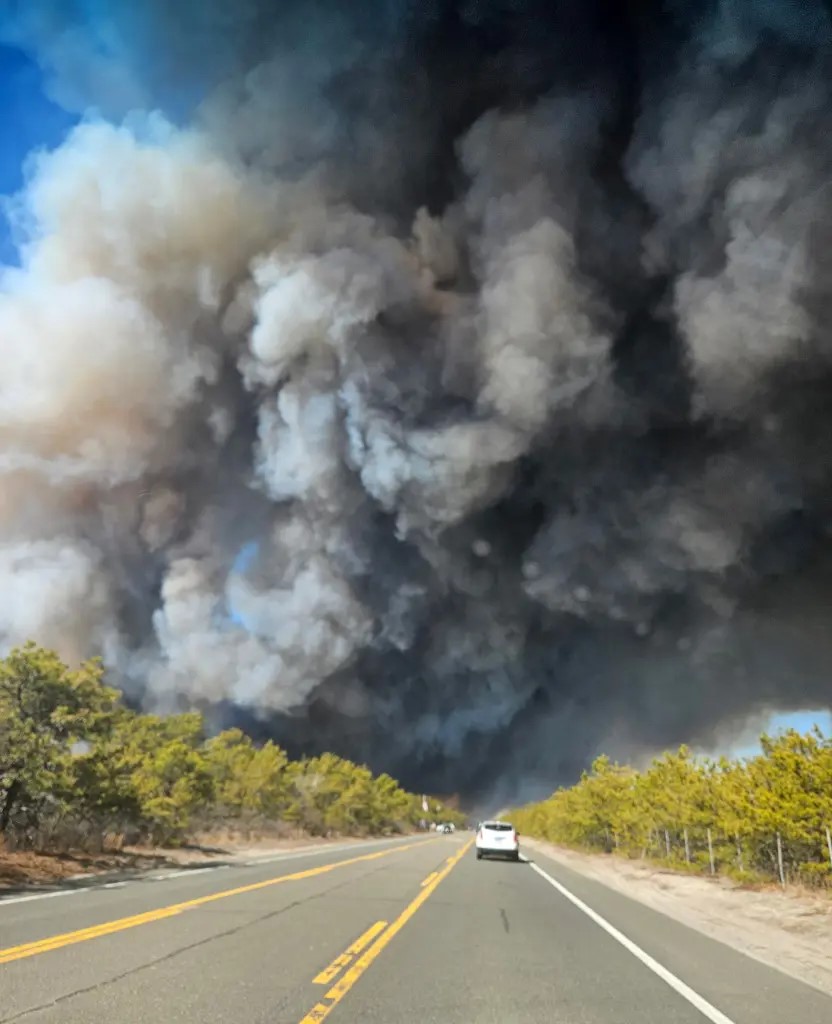
On March 8, 2025, a series of wind-driven brush fires erupted across Suffolk County, Long Island, causing extensive damage and prompting emergency response efforts. These fires spread rapidly through areas such as Center Moriches, East Moriches, Eastport, and Westhampton, fueled by strong winds and dry conditions. Firefighters from over 100 departments, along with the National Guard, worked tirelessly to contain the flames.
While most of the fires were extinguished by the evening, they left behind significant damage, including severe damage to two commercial buildings. The fires also produced thick smoke and airborne soot, posing health risks to local residents. The state responded by distributing N95 masks to help mitigate exposure. This event serves as a reminder of how dangerous soot and smoke damage can be, even after the flames are gone.

Lisa Marie/Facebook
How to Properly Handle Soot After a Fire
If you experience a fire in your home or business, it’s crucial to act fast to minimize soot damage. Here’s what you should do:
- Avoid Touching Surfaces – The oils on your hands can make soot stains worse. Leave cleanup to professionals.
- Do Not Use Household Cleaners – Standard cleaning products may spread soot further or cause additional damage.
- Ventilate the Area – If it’s safe to do so, open windows to reduce airborne soot particles.
- Contact a Professional Restoration Team – Experts, like PuroClean of Huntington, use specialized equipment to remove soot, neutralize odors, and restore your property safely.
Protecting Your Home and Health
Soot damage is more than just a cosmetic issue—it can pose serious health and structural risks. If your property has been affected by fire, don’t take chances with DIY cleanup. Call PuroClean of Huntington at (631) 402-9700 for expert fire damage restoration services. We’re here to help restore your home and peace of mind.


