


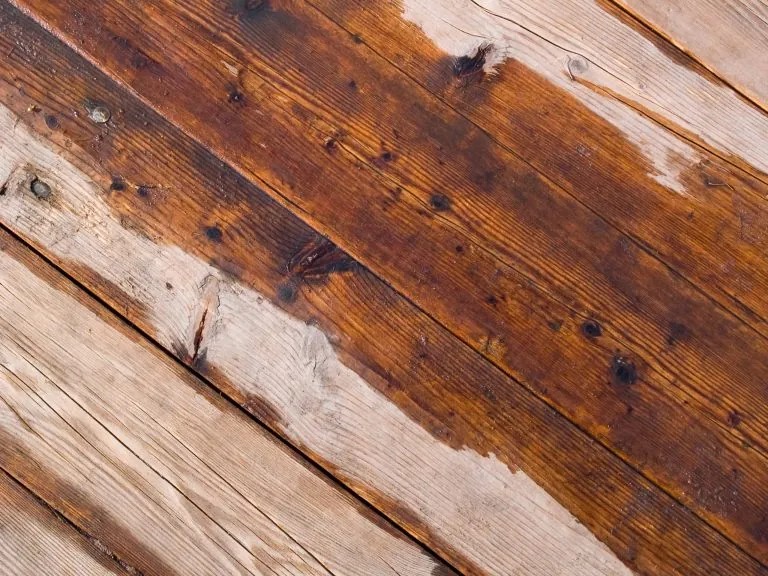
As in all water-related property damage, time is crucial. Floors are at a greater risk for permanent water damage and mold growth if you don’t take care of moisture immediately. Hardwood flooring will absorb moisture more quickly due to its porosity. Besides response time, successful hardwood floor water damage repair depends on the type of flooring, wood, and finish, method of installation, amount of moisture, and replacement value.
For hardwood floor water damage restoration, consider hiring a professional disaster restoration company. They have the necessary knowledge and expertise and use specialized equipment for efficient drying. However, if you want to repair a water-damaged floor yourself, check out the tips below.
How to Repair Hardwood Floor Water Damage
- Wear protective gear such as gloves, rubber boots, and a mask.
- Stop the flow of water if the flooding occurred due to a burst pipe, washing machine failure, or water heater failure.
- Turn off the power to the affected room until the water has been removed.
- Assess the damages before you begin the restoration to determine whether to clean up or replace the floor. Take photos, list damaged items, and show them to your insurance company.
- Remove any items (carpet, furniture, etc.) from the floor and take them to a dry area.
- Open windows and doors to allow moisture to evaporate more quickly.
- Start removing the excess water with a wet/dry vacuum cleaner or with mops and old cloth. If the water level is deep, use a pump to drain the water. Ask someone to help so you can finish the task faster and avoid further damage.
- Use dehumidifiers, heaters, and fans to speed up the drying process. Place them on top of an elevated surface in the flooded area and close the windows. Direct the fans towards the floor’s surface.
- Clean any debris and mud from the floor with a non-abrasive brush and detergent while the heaters, fans, and dehumidifiers are running. Rinse the floor with clean water and continue to dry the floor.
- When dealing with a flooded hardwood floor, act quickly to save your floor from permanent damage and mold growth. Contact a professional flood remediation company, such as PuroClean of Huntington, that can quickly mitigate the damage and implement the best course of action. Also, learn how to avoid hardwood flooring water damage in the future.
How Professionals Restore Hardwood Floor Water Damage
Determining the Type of Flooring and Installation
Inspection is always crucial when starting to repair hardwood floor water damage. Hardwood flooring comes in a variety of species, such as oak, pine, maple, and cherry. More and more exotic species are being used in flooring. Every type poses different challenges in the drying process because of the varying levels of moisture absorption.
There are also varieties of flooring that look like wood but are not. These floors will sometimes have a laminate on the surface and a particleboard substructure. When moisture seeps beneath these floors, drying is nearly impossible. The inability to dry these surfaces is due to moisture being trapped under the laminate, which acts as a vapor barrier. For more help, call PuroClean of Huntington to evaluate your flooring’s type and condition.
Professionals will also assess the initial installation method of the hardwood flooring. Original installation may be nailed, glued, or installed in a floating method.
- When nailed floors have suffered from any type of water damage, the nails may lift.
- If the floor has been glued onto the substrate, the moisture may release the glue.
- In the case of a floating-type floor, it may not be true wood and may be a laminated product. Tongue and groove hardwood flooring may “cup” after absorbing moisture.
Drying the Hardwood Floor (Patience is Key)
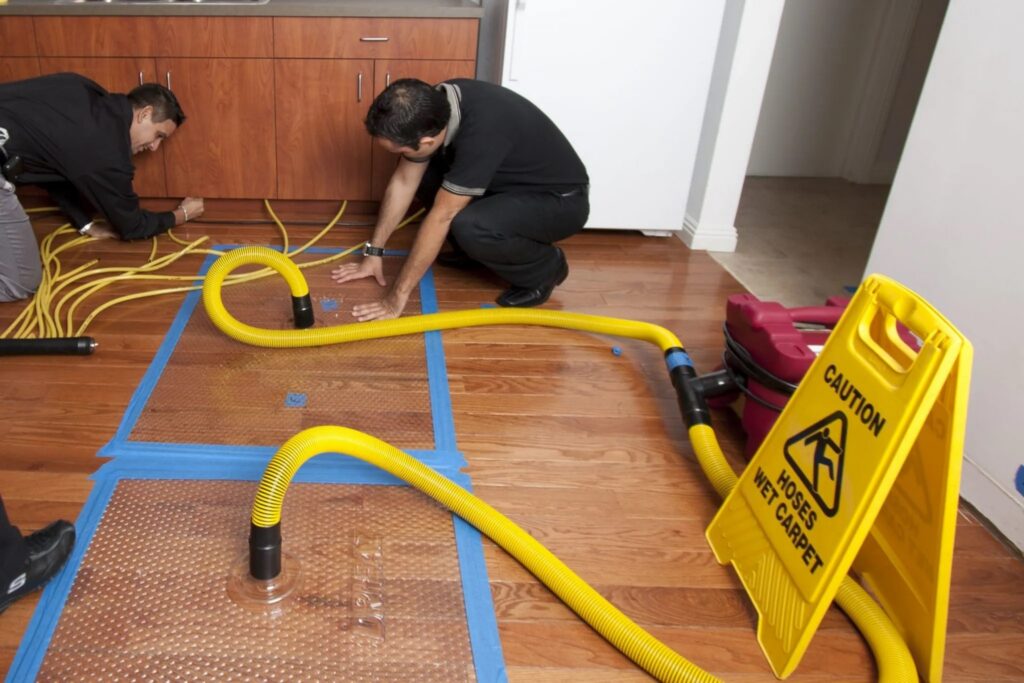
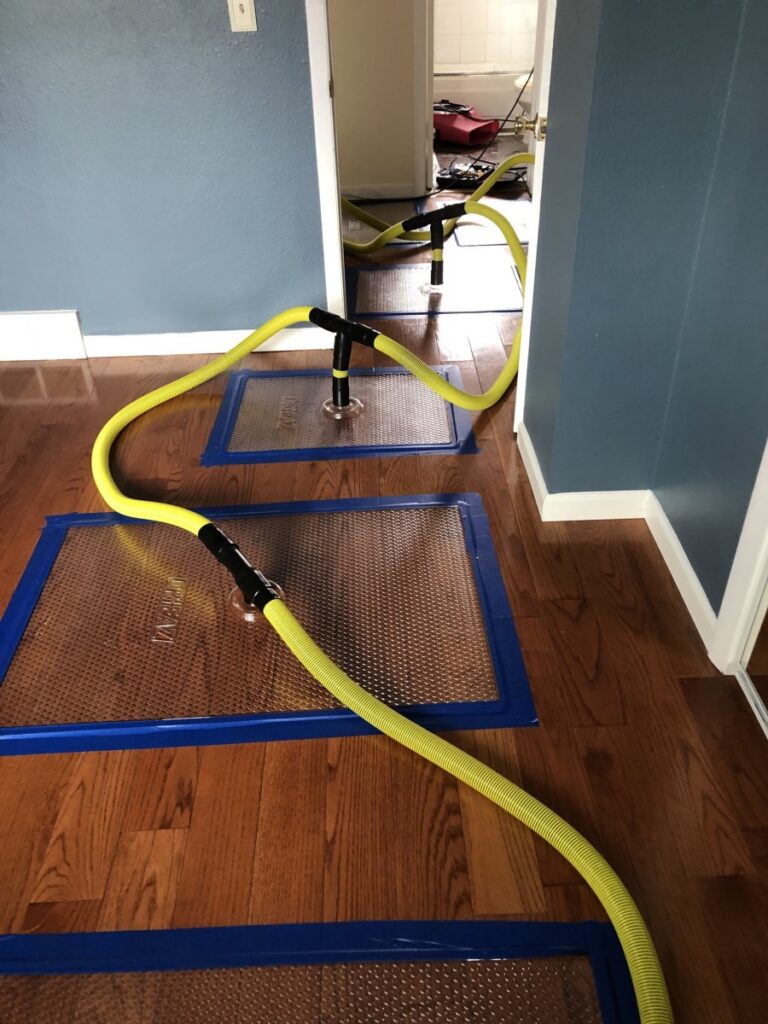
Once the technicians determine the wood floor type and installation method, drying can begin. Using surface and/or subsurface drying methods and proper dehumidification, technicians can force airflow beneath the surface of the floor (in a positive or negative manner) to remove this moisture. It may also be necessary to access the floor from below for faster drying.
Effective drying of a hardwood floor is a slow process. It will sometimes take seven to 10 days for the floor to release enough water to halt the forced drying process. Removing all the absorbed water from the floor is expensive and nature must be allowed to assist in the process.
The hardwood drying continues until the wood’s moisture levels reach four percent of the floor’s dry standard. At this point, nature will remove the remaining water, although slowly — anywhere from three to six months. Education in this process is crucial for a successful job. Let the restoration professionals of PuroClean of Huntington help you dry your hardwood flooring properly.
Repairing the Finish
Once the hardwood floor is dry, there may still be damage to the floor finish. Finishes, such as waxes and polyurethane, may inhibit the evaporation of the absorbed moisture. They will sometimes have to be removed in the drying process to allow for moisture removal.
If the hardwood floor cups slightly, the finish may check and crack due to the movement of the wood product. This is a normal part of the drying process. Once the floor is completely dry, the floor can be refinished.
Hardwood floor drying is a specialty. PuroClean restoration professionals have the knowledge to evaluate the many types of floors properly and have specialized equipment to repair hardwood floor water damage.
Local Considerations for Long Island Residents
Long Island homeowners face unique challenges when it comes to hardwood floor water damage, including high humidity levels, frequent storms, and the potential for coastal flooding. Given the climate, it is essential to act quickly to prevent long-term damage and mold growth.
Additionally, homes in Suffolk and Nassau County often have basements or crawl spaces, which can contribute to excess moisture. Without proper dehumidification, hardwood floors in these areas are at greater risk of warping and mold development. Seasonal changes also play a role—Long Island summers bring increased humidity, while winters may cause extreme dryness, both of which can impact the integrity of hardwood flooring.
Call PuroClean of Huntington for Water-Damaged Floors
If your hardwood floors have suffered water damage, don’t wait—call the experts at PuroClean of Huntington. Our professional team is available to provide rapid response and expert restoration services to prevent further damage and restore your flooring.
Contact us today at 631-402-9700 for immediate assistance. We proudly serve Suffolk and Nassau County, providing reliable water damage restoration services tailored to the needs of Long Island homeowners and businesses.


