


When property damage occurs, most homeowners and business owners are caught off guard. A burst pipe, fire, coastal storm, or mold issue can disrupt daily life instantly, raising urgent questions about safety, insurance, cost, and the next steps.
Property restoration is the professional process that stabilizes damaged structures, prevents further loss, and helps return homes and businesses to a safe, usable condition. Understanding how restoration works helps property owners respond faster, avoid costly mistakes, and make informed decisions during stressful situations.
This guide explains how the property restoration process works, why timing matters, and how PuroClean of Huntington supports homeowners and businesses throughout Huntington and the surrounding Long Island communities following water, fire, mold, storm, sewage, and biohazard damage.
What Is Property Restoration?
Property restoration refers to the assessment, mitigation, and repair of damage caused by water, fire, mold, storms, sewage, or hazardous contamination. It is not simply repair work. Restoration focuses on stopping damage from progressing, protecting health and safety, and restoring the property to a usable condition as efficiently as possible.
When unexpected damage occurs, PuroClean of Huntington responds quickly to stabilize the affected environment, identify hidden damage, and help prevent secondary problems such as mold growth, structural deterioration, or lingering odors.
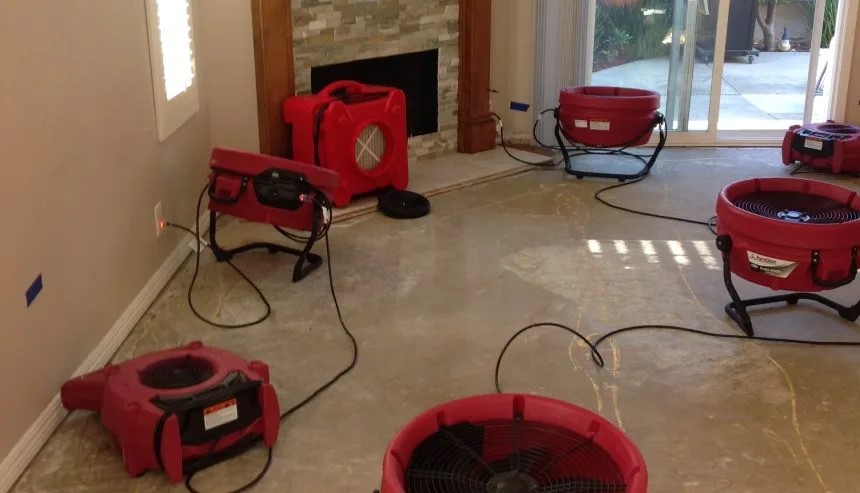
The restoration process may involve water extraction, structural drying, removal of damaged materials, containment, HEPA air filtration, cleaning, odor control, and preparation for reconstruction. The specific services required depend on the source of the damage, the materials affected, and how long the conditions have been present.
Why Timing Matters After Property Damage
Delays after property damage can lead to compounding problems that are more difficult and expensive to correct later.
Prolonged moisture exposure can contribute to mold growth, deterioration of building materials, damage to flooring and cabinetry, and increased indoor humidity. Smoke and soot residue can continue affecting surfaces and contents after a fire has been extinguished. Sewage and other contaminated water can create additional health and safety concerns if they are not handled properly.
Timing is especially important on Long Island, where finished basements, crawlspaces, coastal humidity, heavy rainfall, winter freezes, and aging plumbing systems can all contribute to property damage. Even after the visible water has been removed, moisture may remain trapped behind walls, beneath floors, or inside insulation.
PuroClean of Huntington provides 24 hour emergency response to help control damage before conditions worsen.
Property Damage Is More Common Than Most People Realize
Many people associate restoration services with large disasters, but most restoration projects begin with everyday incidents that can quickly become more serious without proper intervention.
A leaking appliance, failed water heater, broken supply line, plumbing backup, HVAC issue, roof leak, or sump pump failure can introduce moisture into areas that are not immediately visible.
Long Island homes include a wide range of construction styles and ages. Older homes may contain multiple layers of flooring, plaster walls, older plumbing, or finished basements where hidden moisture can be difficult to detect. Newer homes can also experience concealed damage when water travels beneath finished flooring or through wall and ceiling cavities.
Hidden damage inside walls, ceilings, floors, insulation, and other building assemblies is common and may be missed without a professional assessment. This is why even seemingly minor property damage may require evaluation by a trained restoration professional.
How the Property Restoration Process Works
Although every property loss is different, professional restoration generally follows a consistent framework.
Assessment: The restoration team identifies affected areas, potential safety risks, moisture levels, contamination, and the overall extent of the damage. This may include photographs, measurements, moisture readings, and an evaluation of which materials can be restored.
Mitigation: Immediate action is taken to prevent the damage from spreading. This may involve extracting standing water, moving or protecting contents, installing containment, removing damaged materials, and placing professional drying or filtration equipment.
Remediation: Contamination, microbial growth, or materials that cannot be safely restored are removed using procedures appropriate for the conditions. If mold is present, an independent mold assessment and remediation protocol may be required before work begins.
Repair and recovery: Once mitigation, remediation, cleaning, and drying are complete, the affected areas can be prepared for necessary repairs and reconstruction.
Throughout this process, documentation and verification play an important role, especially when an insurance claim is involved. PuroClean of Huntington documents affected materials, moisture readings, equipment placement, drying progress, photographs, and the work performed throughout the project.
Why Professional Restoration Matters
Attempting to clean up property damage without the proper training or equipment can unintentionally make conditions worse. Moisture left behind, improper drying, or incomplete contamination removal can result in long term odors, mold growth, and deterioration of building materials.
Professional restoration providers are trained to detect hidden moisture and damage, follow established industry standards, use specialized drying and filtration equipment, establish containment when necessary, remove damaged or contaminated materials, and monitor drying progress.
PuroClean of Huntington uses professional moisture detection instruments, commercial dehumidifiers, air movers, HEPA filtration equipment, and established restoration procedures to address both visible and concealed damage.
This is particularly important in basements and lower levels, which are common throughout Huntington and other Long Island communities. Water can become trapped beneath carpeting, finished flooring, wall panels, baseboards, and insulation even when the surface appears dry.
One Process, Many Types of Damage
Although water, fire, mold, storm, sewage, and biohazard losses require different technical approaches, the core principles of restoration remain consistent. Each situation requires a timely response, thorough assessment, proper containment when necessary, effective mitigation, and clear documentation.
PuroClean of Huntington assists property owners with water damage restoration, fire and smoke damage cleanup, mold remediation, sewage cleanup, biohazard cleanup, storm damage, odor removal, and commercial property restoration.
Some losses involve more than one type of damage. A roof leak or plumbing failure may eventually result in mold growth. Water used to extinguish a fire may cause additional damage to walls, flooring, ceilings, and contents. A sewage backup may require water removal, contaminated material removal, cleaning, disinfection, and structural drying.
Long Island storms can also create several problems at once, including roof leaks, basement water intrusion, power outages, fallen trees, and elevated indoor humidity. A coordinated restoration approach helps reduce delays, protect unaffected areas, and establish a clear path toward recovery.
Restoration, Insurance, and Documentation
Insurance carriers rely on accurate and timely documentation when evaluating property damage claims. Restoration professionals support this process by documenting conditions, defining the scope of work, and tracking mitigation and drying progress.
Effective documentation can clarify which areas and materials were affected, explain why specific restoration work was necessary, support the carrier’s evaluation, reduce misunderstandings, and create transparency for everyone involved.
This is especially important during large or complex losses involving multiple rooms, hidden moisture, commercial operations, or several parties.
PuroClean of Huntington can communicate with insurance adjusters and provide available restoration documentation when authorized by the property owner. Insurance coverage and payment decisions are ultimately determined by the insurance carrier according to the terms of the individual policy.
Understanding Restoration Helps You Respond Smarter
Property damage rarely comes with warning. Knowing how restoration works and why a timely response matters can make a significant difference in the recovery process.
Whether damage is caused by water, fire, mold, storms, sewage, or another hazardous condition, professional restoration helps protect people, property, and long term value.
Understanding the process ahead of time allows homeowners, business owners, property managers, and facility managers to respond with greater confidence and avoid preventable mistakes when damage occurs.
When Property Damage Happens, PuroClean of Huntington Can Help
Property damage is unpredictable, time sensitive, and often more extensive than it appears on the surface. Early professional assessment and mitigation can help reduce secondary damage, safety concerns, recovery costs, and disruption to your home or business.
PuroClean of Huntington serves homeowners and businesses throughout Huntington, Huntington Station, Greenlawn, Centerport, Northport, Dix Hills, Commack, Melville, and surrounding Long Island communities.
If you are dealing with water damage, fire or smoke damage, mold concerns, storm damage, sewage, or biohazard conditions, PuroClean of Huntington is available 24 hours a day to assess the situation and help you determine the appropriate next steps.
Call PuroClean of Huntington at (631) 402 9700 for emergency assistance or contact our local team to schedule an inspection.


