 PuroClean of Huntington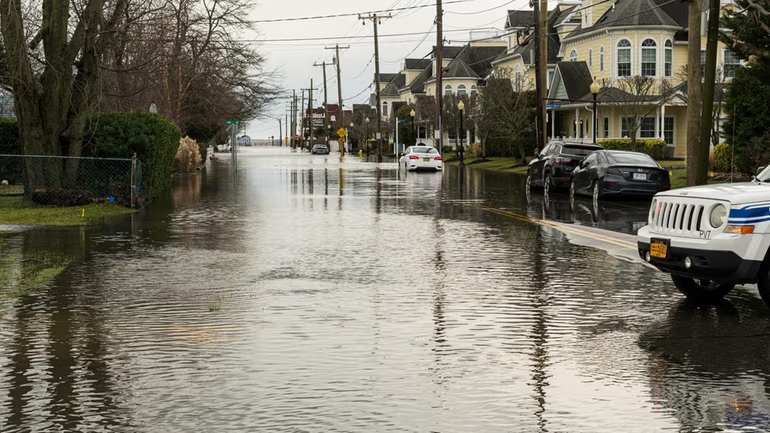
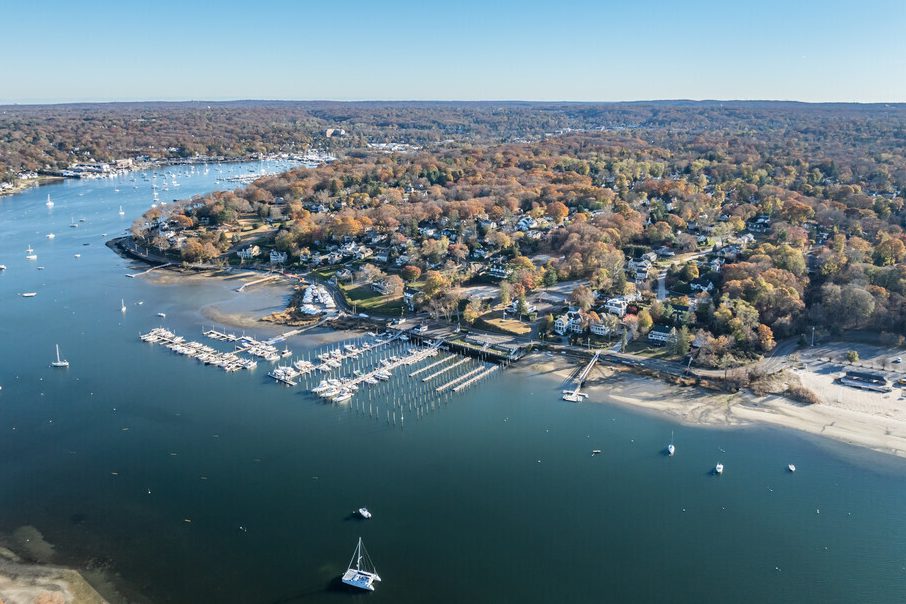
Long Island’s unique geography—surrounded by water on three sides with many low-lying areas—makes flooding a persistent threat to homeowners and businesses. From coastal storm surges to flash flooding after summer thunderstorms, our region faces water-related challenges year-round.
At PuroClean of Huntington, we’ve helped countless Long Island residents recover from flood damage. Through our experience, we know that understanding local flooding patterns is the first step in protecting your property.
Why Long Island is Particularly Vulnerable to Flooding
Unlike many inland areas, Long Island faces multiple flooding threats:
- Coastal Storm Surges: Communities along the South Shore and North Shore are vulnerable during hurricanes and nor’easters.
- High Water Table: Many areas, especially in Nassau County, have naturally high groundwater levels.
- Outdated Drainage Systems: Some of our older communities weren’t designed to handle today’s increasingly intense rainfall events.
- Loss of Natural Wetlands: Development has reduced nature’s ability to absorb excess water.
- Tidal Flooding: Even on sunny days, areas like the Nautical Mile in Freeport can experience flooding during exceptionally high tides.
Long Island’s Flood-Prone Areas: Is Your Neighborhood at Risk?
While flooding can affect any part of Long Island, certain areas face higher risks:
Nassau County
- Long Beach and Lido Beach: Barrier island communities prone to ocean surge.
- Freeport and Baldwin: Canals and high water tables make these areas vulnerable.
- Valley Stream and Elmont: Heavy rains can lead to serious flash flooding.
Suffolk County
- Lindenhurst and Babylon: Hit hard by Superstorm Sandy, with continued flood risks.
- Mastic Beach and Shirley: Regular tidal and groundwater flooding issues.
- Riverhead and Flanders: At risk due to proximity to the Peconic River and bay.
Protecting Your Long Island Property From Flood Damage
Before the Flood
- Know Your Risk: Check FEMA flood maps to see if your home is in a flood zone.
- Consider Flood Insurance: Standard homeowners insurance doesn’t cover flooding.
- Modify Your Home:
- Elevate utilities like HVAC systems, water heaters, and electrical panels.
- Install check valves to prevent sewer backups.
- Consider a sump pump with a battery backup.
- Apply waterproofing compounds to foundation walls.
- Landscape Strategically:
- Create swales or rain gardens to direct water away from your foundation.
- Use permeable materials for driveways and walkways.
- Plant native, salt-tolerant vegetation near coastal areas.
During a Flood Warning
- Move valuables to higher floors or elevated surfaces.
- Roll up area rugs and move furniture if possible.
- Turn off utilities at the main switches if instructed to do so.
- Follow evacuation orders—Long Island’s limited evacuation routes can become congested quickly.
After a Flood
- Document Everything: Take photos and videos before cleanup for insurance claims.
- Act Quickly: Mold can start growing within 24-48 hours.
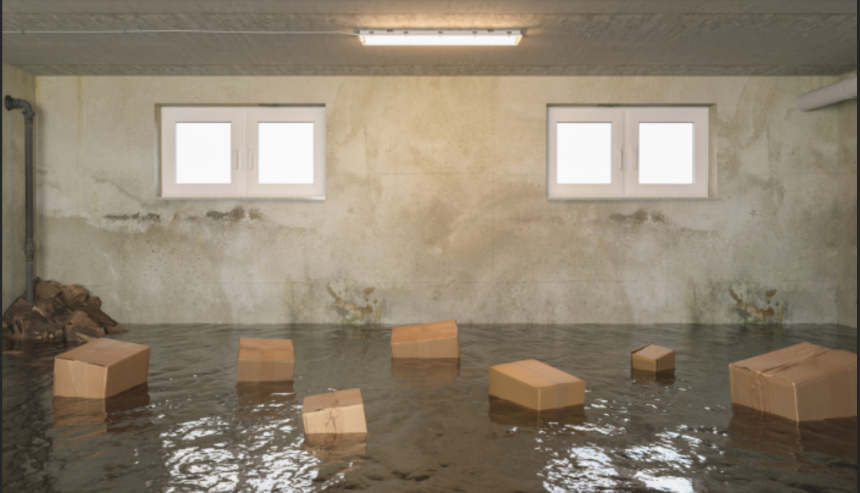
- Test for Contamination: Floodwaters may contain saltwater, sewage, or chemicals requiring professional cleanup.
- Check for Structural Damage: Saltwater can weaken building materials over time.
The Hidden Dangers of Long Island Flood Damage
Saltwater Intrusion
Saltwater damage—common during coastal flooding events—can cause:
- Accelerated corrosion of electrical systems and appliances.
- Increased structural damage to building materials.
- Higher risk of persistent mold and mildew issues.
- Contamination of soil and landscaping.
Mold Growth
Long Island’s naturally humid climate creates ideal conditions for mold growth after flooding. Improper flood cleanup can lead to dangerous mold infestations within days, especially in older homes with moisture-absorbing plaster walls.
Long-Term Solutions for Flood-Prone Long Island Properties
If your property has flooded repeatedly, consider:
- Home Elevation: Elevating your structure can reduce future flood damage and lower insurance costs.
- Wet Floodproofing: Modifying lower levels to allow floodwater to enter and exit without causing damage.
- Dry Floodproofing: Making your building watertight below the expected flood level.
- Installing Hurricane Barriers: Custom flood gates for entrances and garages are becoming more common in South Shore communities.
Community-Based Approaches
Flooding is often a neighborhood-wide issue. Consider:
- Joining local civic associations focused on flood mitigation.
- Advocating for improved municipal drainage systems.
- Supporting wetland restoration projects.
- Participating in coastal resilience planning.
How PuroClean of Huntington Can Help
At PuroClean of Huntington, we understand the challenges Long Islanders face when dealing with flood damage. Our trained technicians provide:
- Emergency Water Removal & Drying: Rapid response to minimize damage.
- Mold Prevention & Remediation: Ensuring your home remains safe and healthy.
- Structural Drying & Dehumidification: Preventing long-term issues caused by excess moisture.
- Content Cleaning & Restoration: Helping restore valuables and furniture affected by water damage.
Conclusion
As Long Islanders, we share this beautiful island with the waters that surround us. While we can’t eliminate flood risks entirely, proactive steps can significantly reduce potential damage. If you’ve experienced flood damage or want to discuss preventative measures for your property, contact PuroClean of Huntington at (631) 402-9700 for a free scope.
Stay dry, Long Island!



 PuroClean of Huntington