 PuroClean of Huntington
The attic is one area of the home that is very likely to be neglected or ignored. Moisture can build up and create perfect conditions for mold growth. The roof may leak, ventilation may not be sufficient, or appliances, or exhaust fans, may blow hot moist air into the attic. These are some of the most common causes of excessive attic moisture and mold growth. However, with proper care, you can help prevent mold in attic spaces.
During the winter months on Long Island, microbial issues can often form in the attics of homes due to a lack of proper ventilation or condensation-related problems from high relative humidity and cold surfaces. Some homeowners in Suffolk and Nassau counties have installed insulation in soffit vents, which can be a leading factor for microbial growth, as the insulation reduces airflow in the attic, allowing moisture to build up.
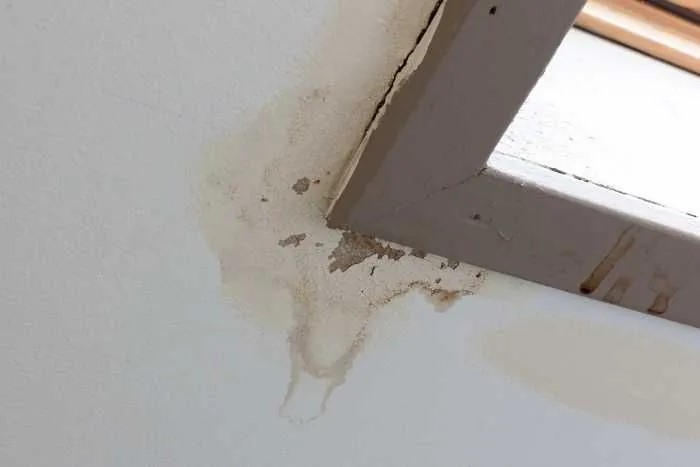
Any mold that’s left unchecked in your home attic space can reproduce, leading to potential structural deterioration of the roof’s plywood sheeting and other structural elements.
In this blog, we will walk through the steps necessary to remove mold from an attic by looking at how it spreads, what causes it, why it’s crucial to get rid of it, how you can do so safely, and finally, prevention tips that will keep your home safe from future outbreaks of mold infestation.
What Are the Effects of Mold in the Attic?
Mold in the attic, including crawl spaces, is a health concern. Mold can irritate allergies in some people, create an unpleasant odor in your home, and potentially be dangerous to you or your family’s health. Left untreated long enough, mold can cause severe structural damage and expensive repairs. That’s why it’s critical to find and remove the existing mold in your attic as soon as you are aware of it.
Spores are most potent when multiplied. For this reason, once attic mold begins growing, there is no way to stop it from spreading throughout the entire house by air moving through vents and air ducts in your HVAC system. This means that by the time you see visible mold on the ceiling of your attic or top of insulation around wall cavities or along wood beams, it has already spread across much of your home.

How Does a Mold Problem Spread in the Attic?
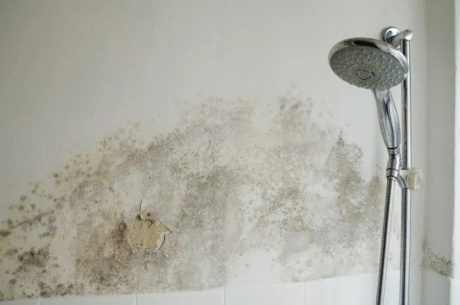
Mold comes from spores found naturally almost everywhere: food, dirt, dust, even air. These spores reproduce by releasing tiny particles into the air that then attach themselves to surfaces to grow into new mold colonies. For these spores to remain active and alive, they must have a stable combination of humid air and food sources nearby, which results in mold growth on ceilings or walls in a home.
The most common direct causes for this issue include:
- Roof leaks
- Siding or window leakage that allows for air leaks
- Improper ventilation leading to poor indoor air quality and attic moisture problems
- Insufficient insulation or insulation not properly installed
- Poor or incorrect venting from the home’s bathroom exhaust fans, kitchen and/or clothes dryer

When the hot, moist air from the bathroom(s), kitchen, and clothes dryer rises up into the attic due to insufficient ventilation or incorrect venting, condensation can develop. This heated, wet air mixes with colder attic air throughout the year and may cause a condensation problem that leads to mold.
In many homes across Suffolk and Nassau County, a healthy HVAC system helps move air to keep moisture from lingering. Unfortunately, if the HVAC system is not functioning properly, excess attic moisture can help mold grow despite other efforts to keep the space dry.
How to Get Rid of Mold Growth in Your Attic Space
Luckily, there are a few tips that we can share that can be helpful for DIY mold treatments. The best time to tackle attic mold removal is before the infestation spreads across most of your living space (or any space greater than 10 square feet). Otherwise, you’ll find yourself having to deal with more than one colony.
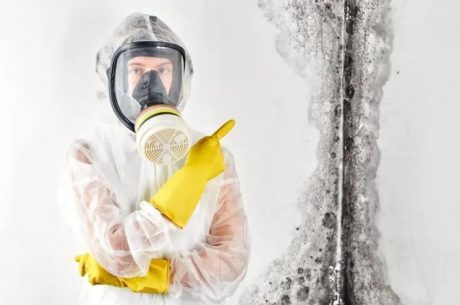
Special precautions need to be taken when addressing mold in the home, and few homeowners have the tools and resources needed to ensure that they are safe during the process. Even minimal exposure to mold during the removal process can lead to health issues for you and your family. That’s why exercising extreme caution and calling a PuroClean professional is strongly recommended.
If you are uncomfortable with dealing with mold, or the surface is larger than about 10 square feet, you’ll need the help of a mold professional with equipment like HEPA vacuums, PPE (personal protective equipment), and ozone machines because their combined power will make quick work of any mold that remains after cleanup is complete. If mold has already spread to other, more hidden, attic areas, you’ll have a hard time getting it out.
If the mold is caused by a moisture problem or a roof leak, remove all wet or moist materials you can see, especially anything soft or porous, from your attic spaces. This includes insulation, stored roofing materials or shingles, old cardboard boxes or paper products, wood materials and decking, as well as other fabric-based items like clothing and carpet.
Moisture problems usually occur when there isn’t proper ventilation or insulation installed in the attic floor. To mitigate this, make sure that large cracks in ceilings and walls are sealed up to prevent future water damage from outside air, rain, snow, ice, and frost buildup during winter months.
Attic mold may be difficult to remove from the roof sheathing whenever it grows beneath it, especially if your attic is sloped. The best step you can take is to ensure that your attic is adequately tempered and is properly insulated.
When warm air from inside meets cool air from the outside, moisture in the air will condensate. Remember that warm air rises, so your attic will host hot air before it escapes to the outside. Allowing your HVAC to maintain consistently moving air and temperature should help halt any mold growing in the attic space. This will also reduce moisture levels and minimize mold growth as a result.
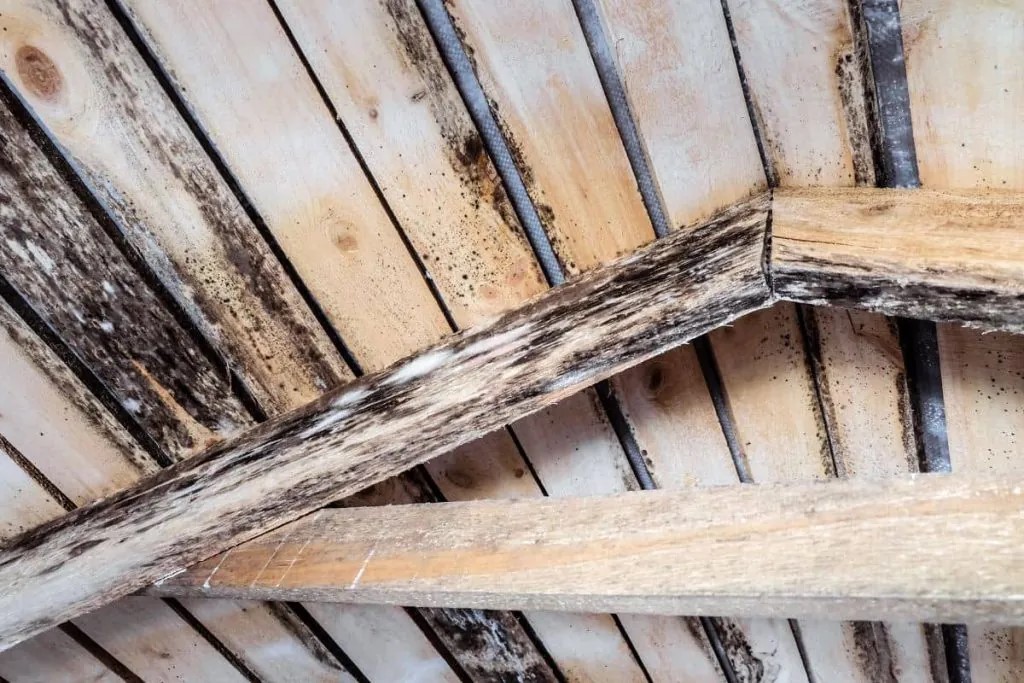
How to Prevent Mold in the Attic
Check regularly for roof leaks that may produce moisture. Inspect the insulation and wood for discoloration, as this may be a sign of water damage. Check areas where two roofs join at an angle – this area is prone to cracks and leaks. The area around plumbing stacks may also suffer from water intrusion.
Additional tips to prevent mold include:
- Ensure proper ventilation. The moisture levels in your attic increase without adequate ventilation. This is particularly important in winter, when warm air rises to the ceiling, enters the attic, and condenses on cold surfaces. It’s vital to have reasonable ventilation so that moisture can escape. Make sure your vents are not covered by insulation.
- Ensure adequate insulation. Attic insulation controls the temperature and moisture levels in the attic. In winter, the temperature in the space should be at or near the outside air temperature. Have the attic floor adequately insulated to minimize the air transfer between the main living area and the attic space. Ensure that the insulation of other surfaces in the attic, such as heating ducts, is also in good shape.
- Vent appliances directly to the outside. Your dryer, kitchen, and bathroom vents should always blow air to the outside and not into the attic. Otherwise, your ventilation system could become overwhelmed and may not be able to eliminate the resulting moisture efficiently.
For Mold Remediation Services, Call PuroClean of Huntington Today
Especially during the colder winter months in Suffolk and Nassau County, mold growth is very common. It’s important to take all precautions to prevent mold in attic spaces; however, there’s still a chance it will grow. PuroClean of Huntington is IICRC certified and offers professional commercial and residential mold remediation services.
Whether you need mold cleanup or water damage restoration, visit our website or call us at 631-402-9700 to speak with a local team member today. We’re available 24/7 to help keep your Long Island home safe and sound.

 PuroClean of Huntington